Winter Studio Notes: Healing Through Art and A New Art Series
A December journal from my studio—on grief, winter light, creative rituals, and the quiet healing that happens through art when I return to the canvas again.
Healing Through Art during the winter months
It’s finally December. The year is folding itself closed, carrying with it a quiet weight: the grief of loneliness, the afterglow of a successful summer art show, and the slow, stubborn rising-from-the-deep that comes after depression. Winter is arriving, and with it, the familiar pull to paint again. And now that the cold has settled in for the season and the days grow darker and more grey, the idea of holing myself up in my apartment to paint excites me — to lose myself in the small, steady practice of healing through art. I imagine myself at my art table — a cozy drink resting on one of the topaz-blue coasters I thrifted over the summer, music humming in the background like a heartbeat. I’m wearing my favorite painting sweater, the one already marked with streaks of dried color that feel like accidental memories. In a way, this ritual of returning to the canvas has always been my quiet form of healing — a place where the year’s heaviness can finally loosen its grip.
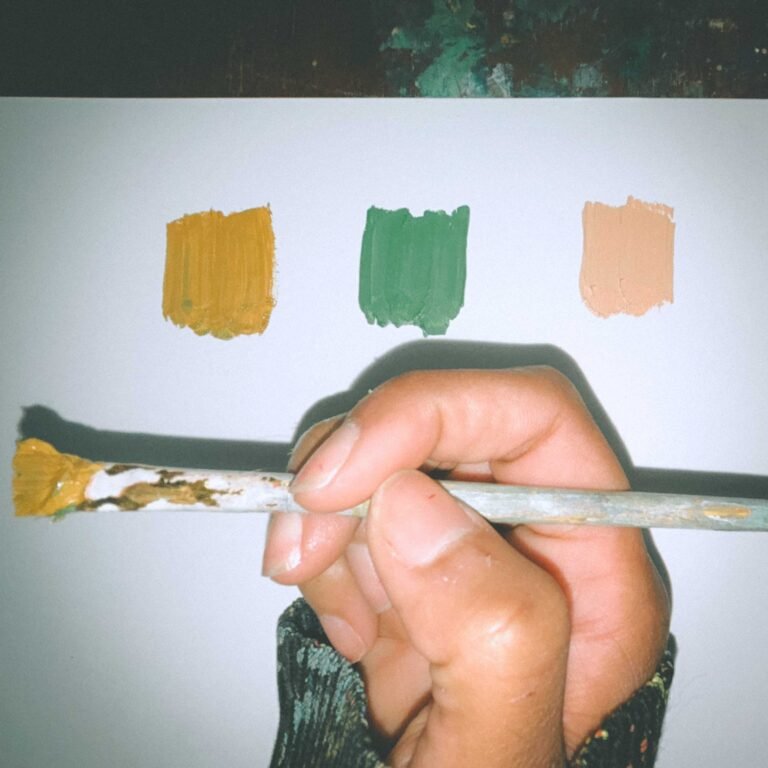
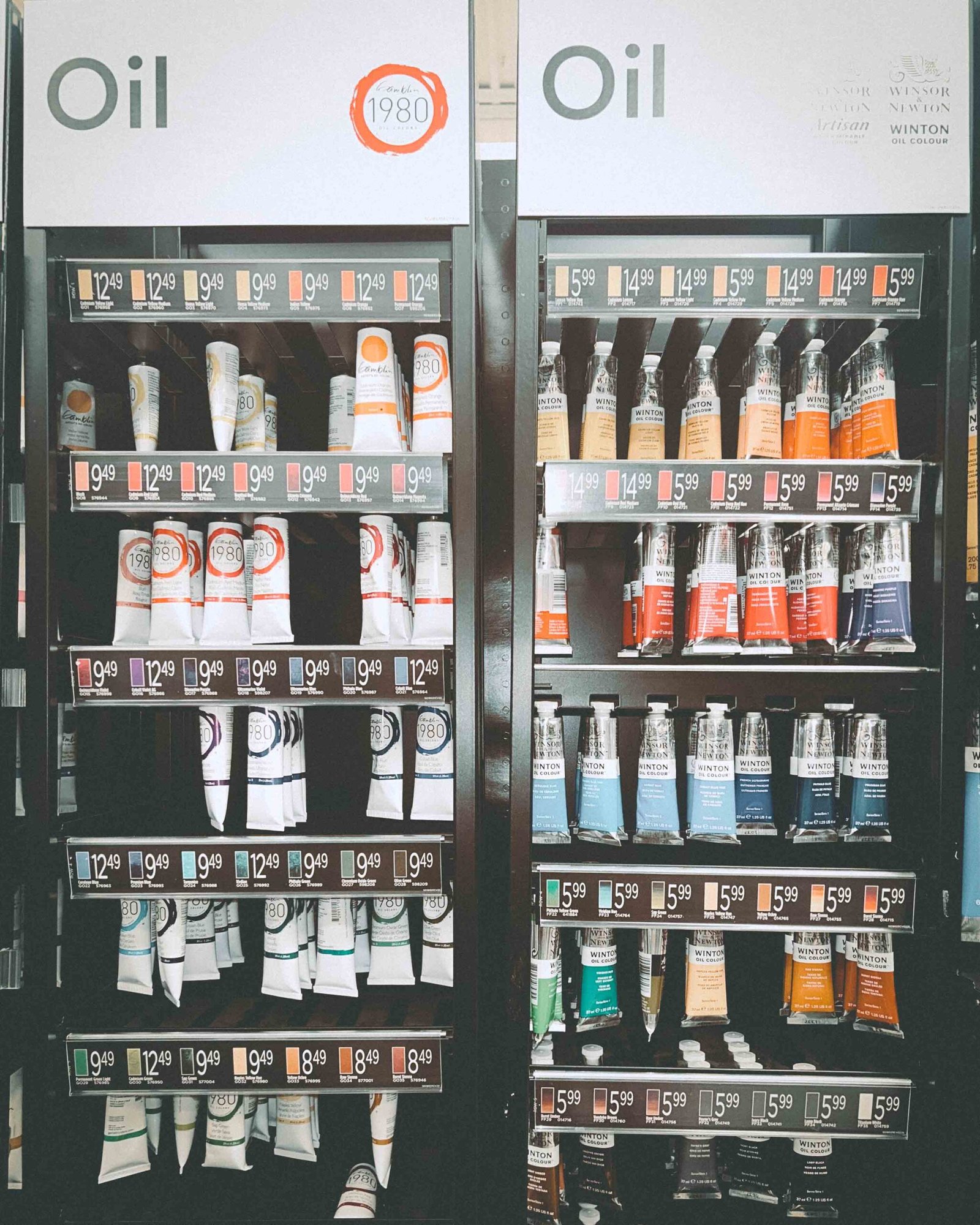
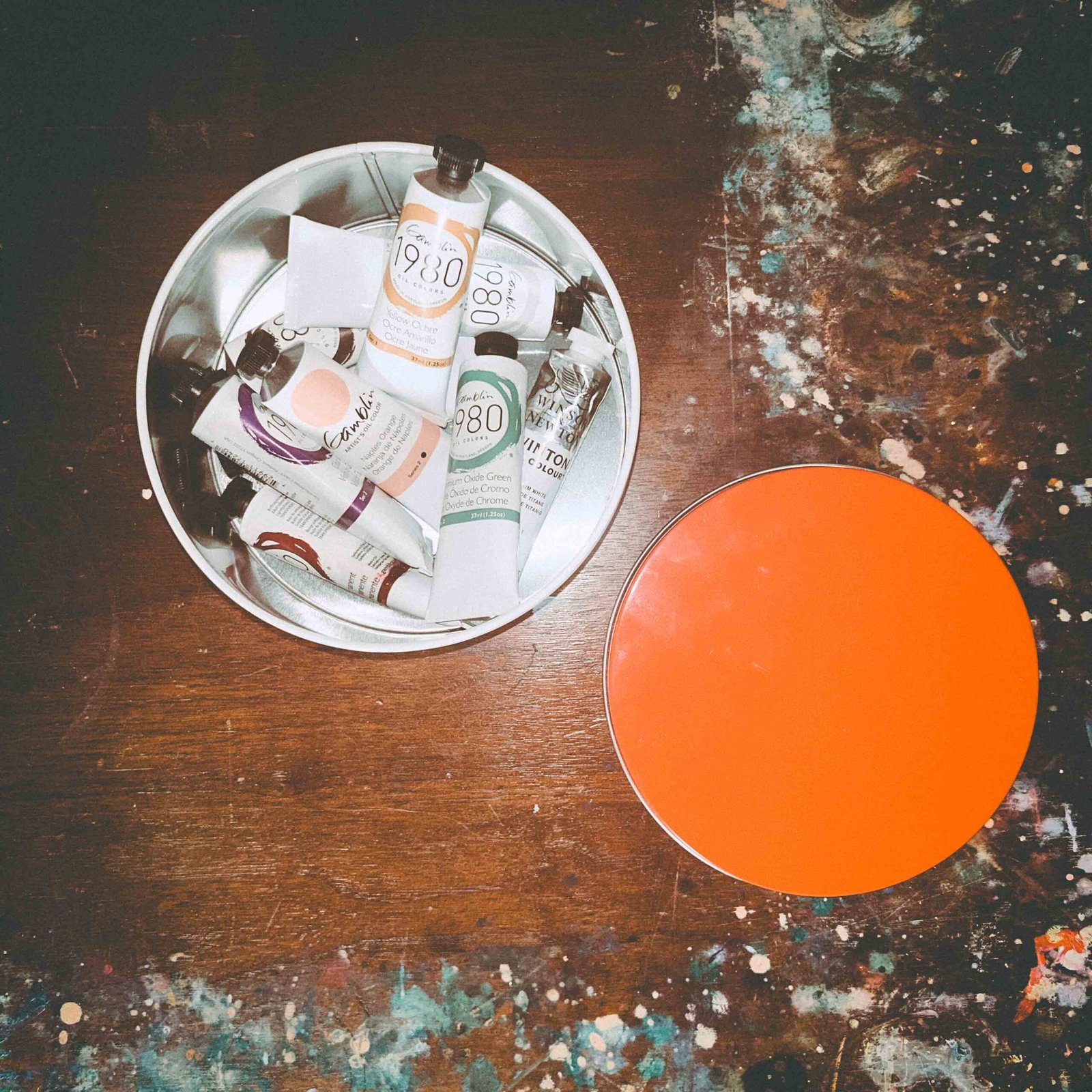
There’s a warmth in this vision that softens something inside me. I’ve been restless lately—sad, unsettled, and, if I’m honest, unable to outrun the memories from my past that replay in my mind like an endless loop. Winter has a way of stirring the things I’ve tried to bury. But painting pulls me outside of myself. It gives all the noise somewhere to go. Every unsaid word, every hidden scar, every memory I’m still learning how to carry—it all finds its way into the work. This is where healing through art becomes something real for me. I bought new paints and will use them to bleed onto the canvas in color.
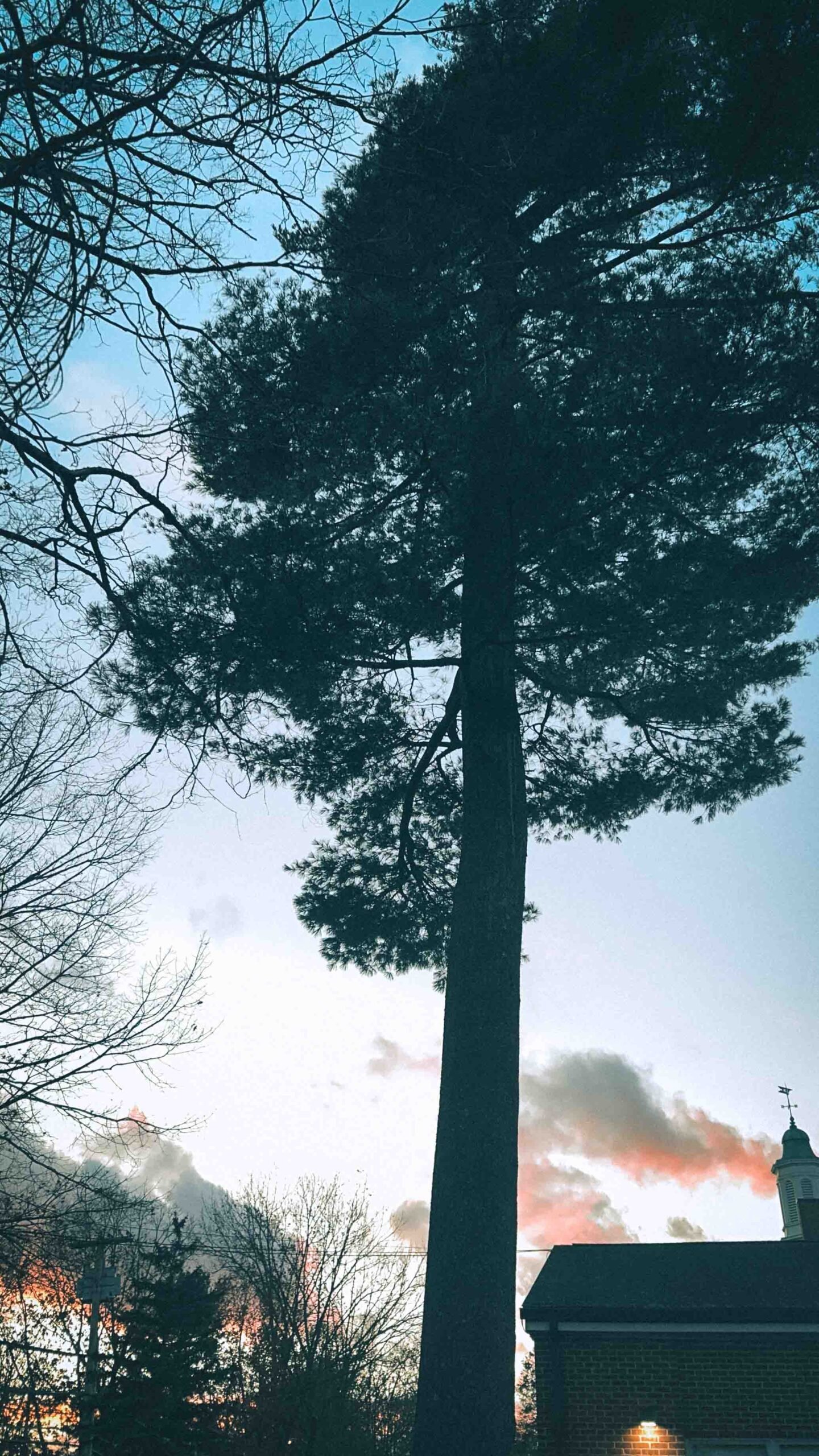
The world outside may be frigid and silent; the air is as stiff as the wool of my thrifted 1950s Spanish Army coat, and by five o’clock the sky turns into the soft ink wash of a fading pen. Winter paints everything in whispers. The towering pines blur into silhouettes as if swallowed by a watercolor horizon, their shadows stretching long across the ground. Sunset arrives early, catching on the edges of the clouds like a match about to burn out. This season has a way of slowing time, of asking me to listen closer, to breathe deeper, to notice how even in the coldest months there is something quietly blooming beneath the frost.
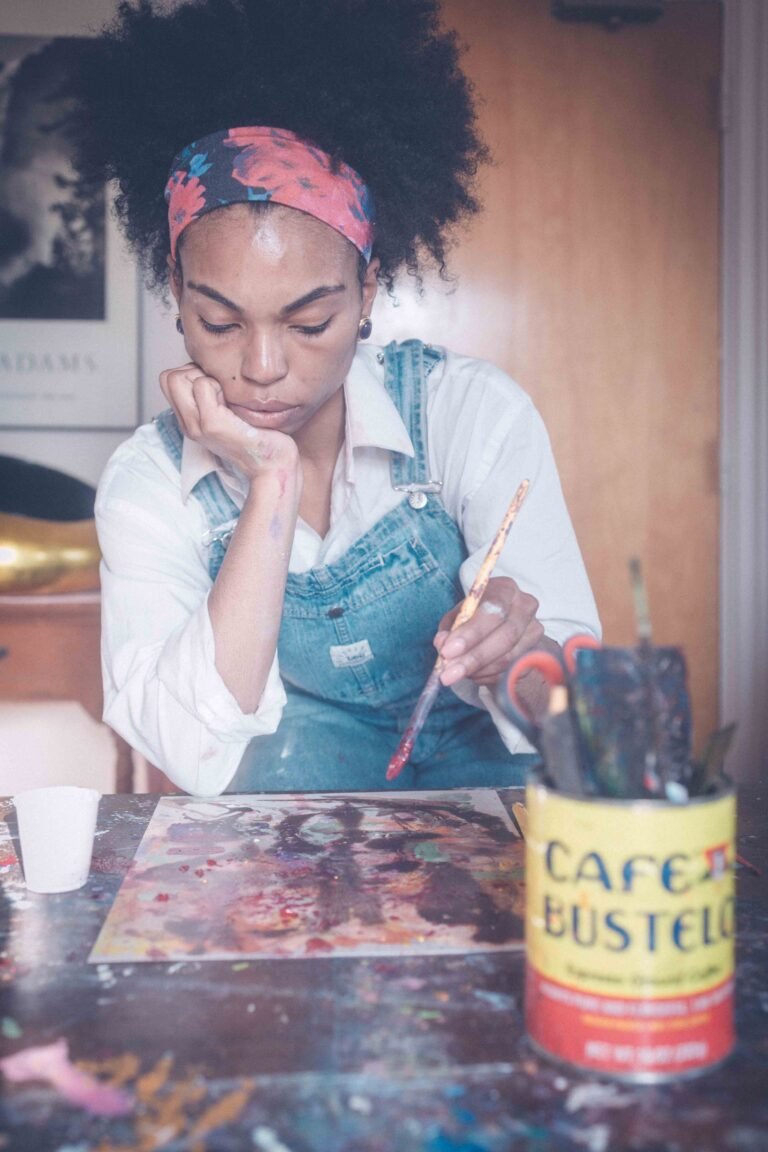
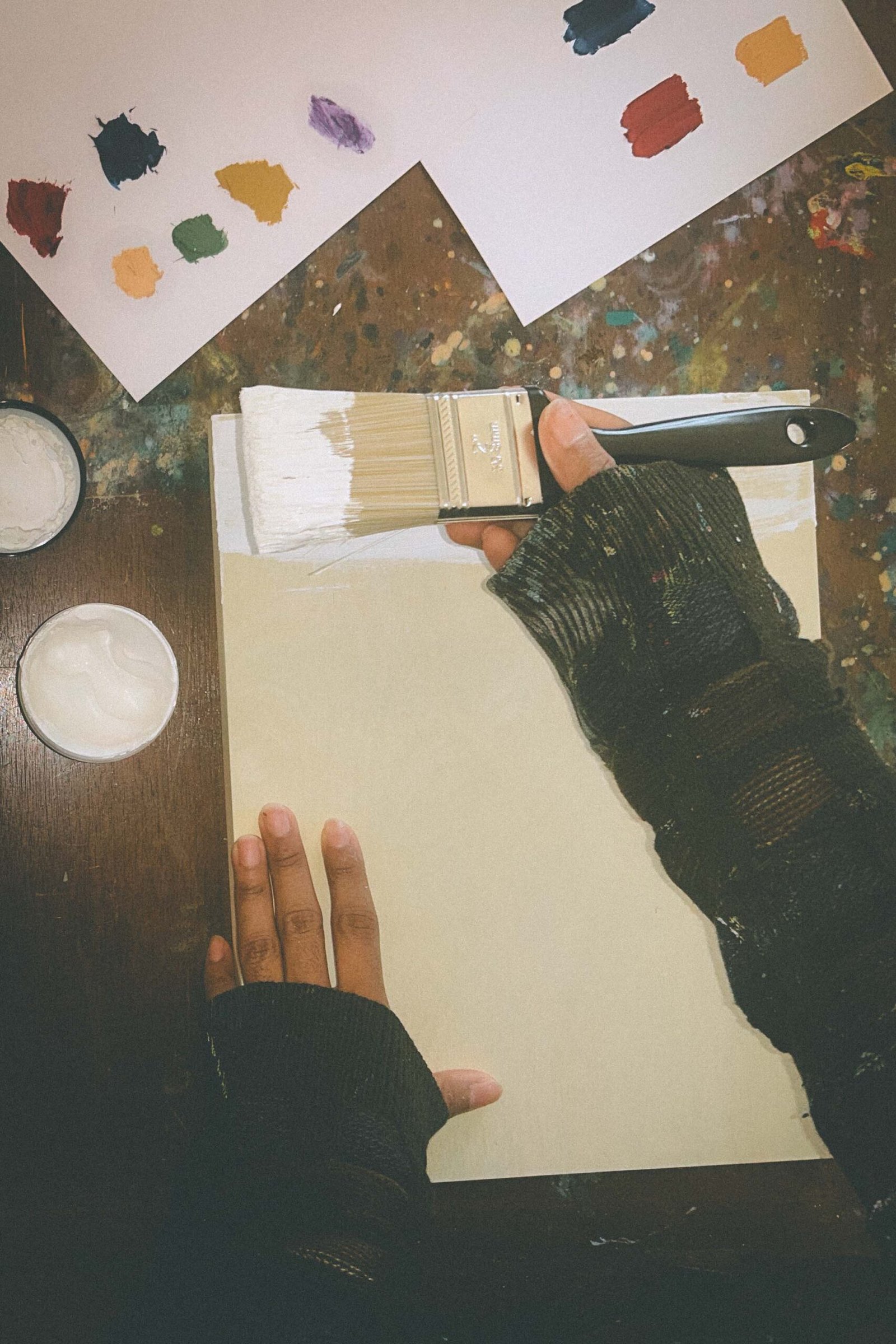
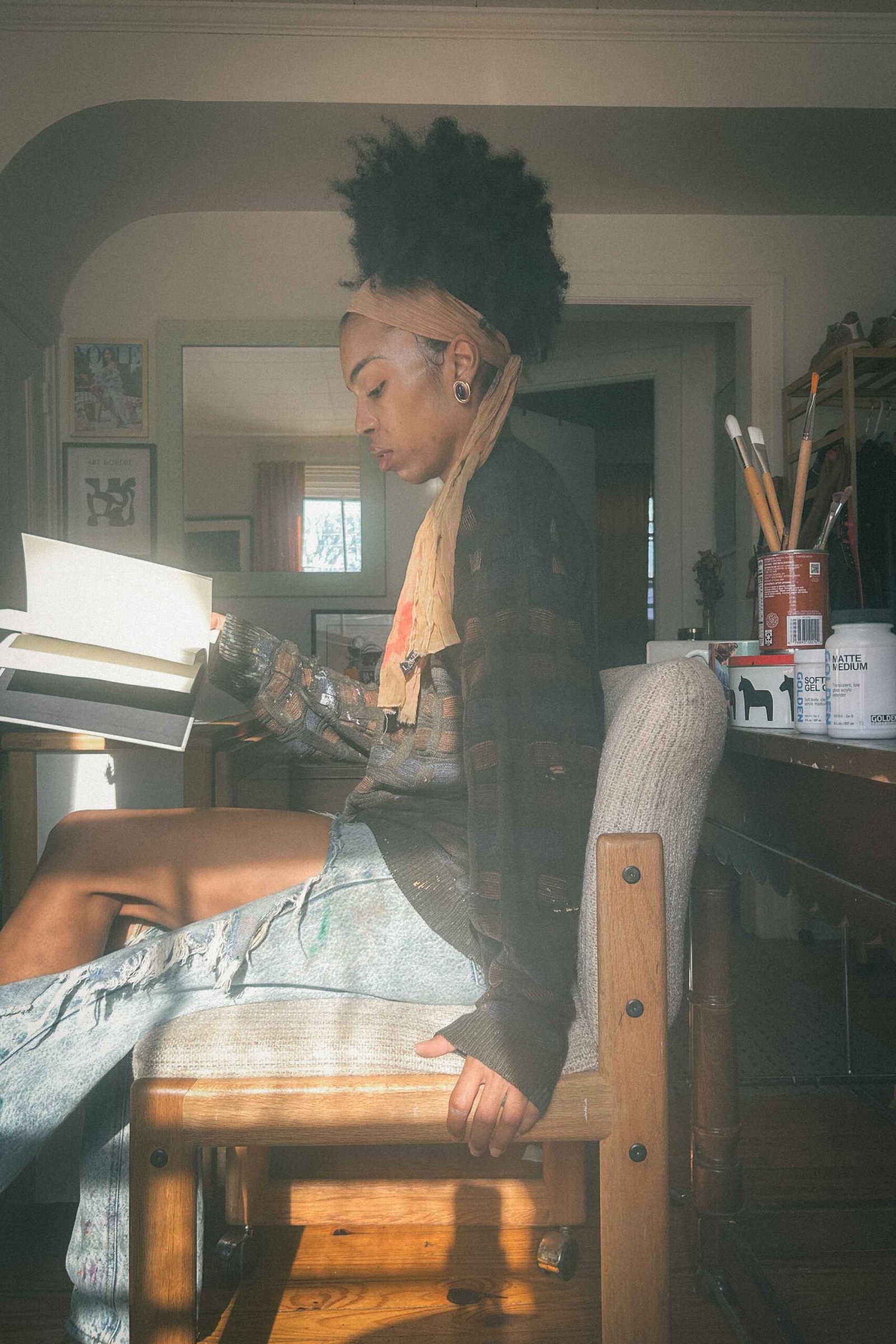
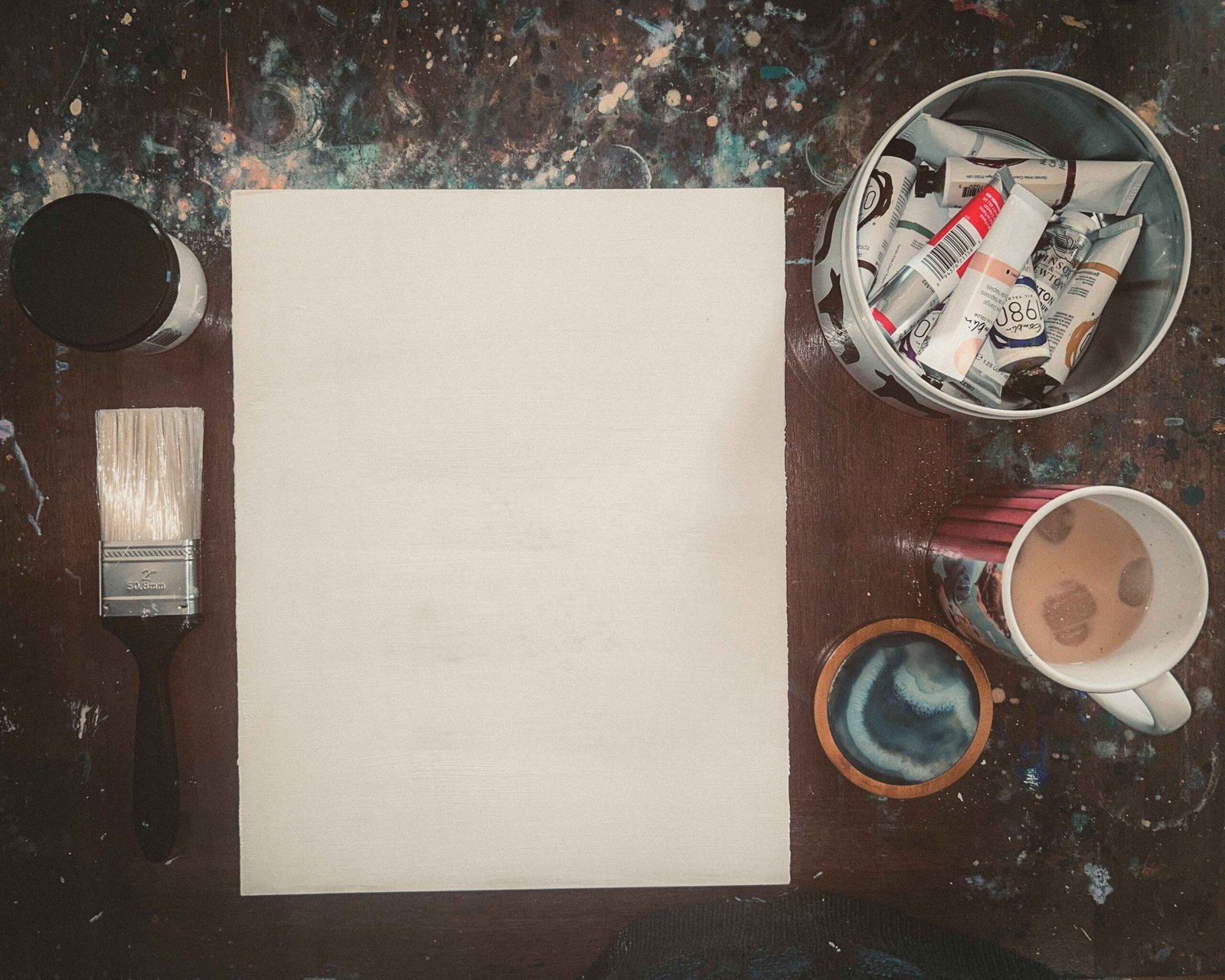
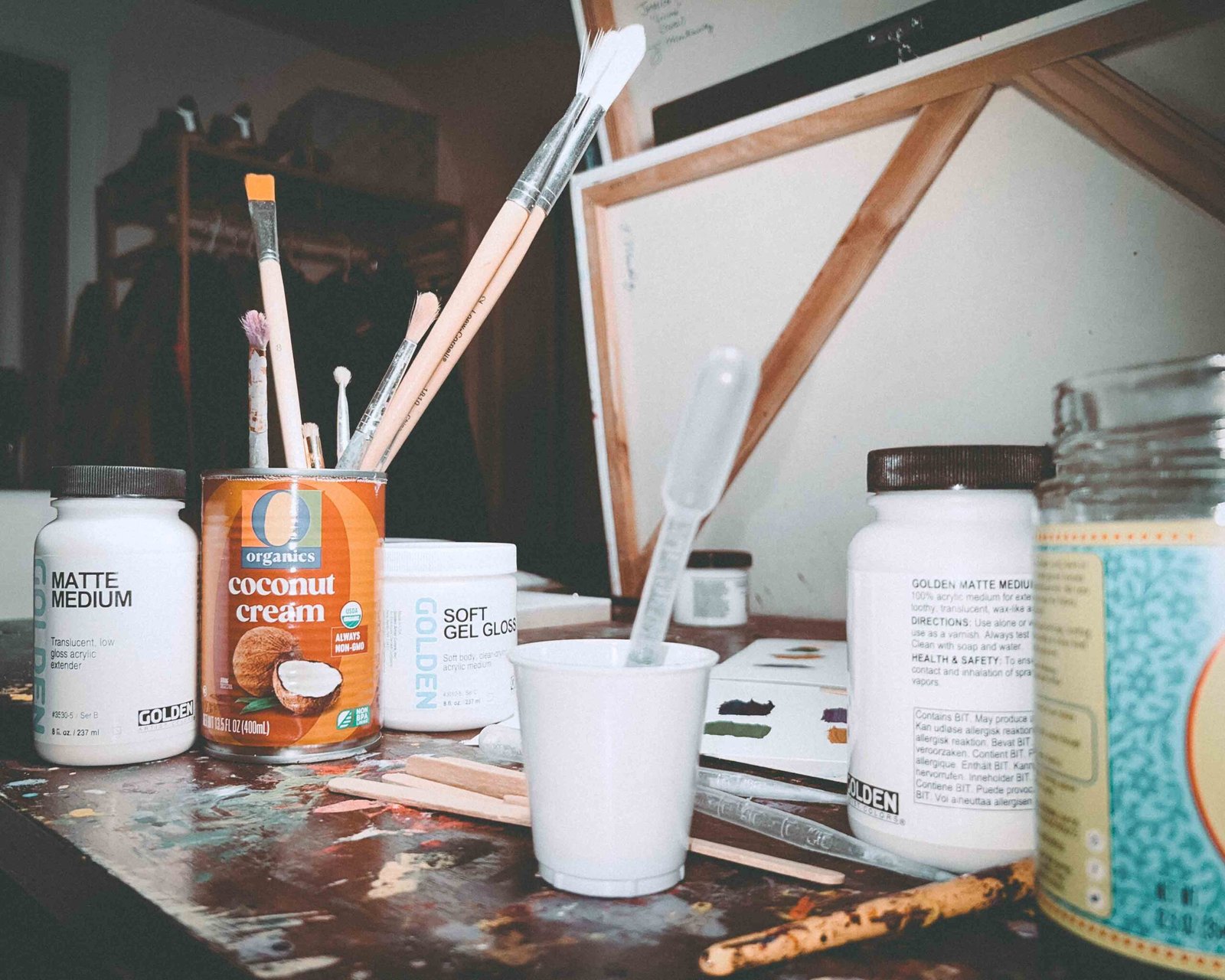
Despite the freezing temperatures outside, in my winter art studio, the air is warm with possibility. My table is cluttered in the most comforting way—mediums and paint thinner, an empty coconut-cream can now repurposed to hold my brushes, a tin of paints, and a mug of coffee rimmed with the faint trace of my lipstick. A small wood panel sits in the center, patiently waiting to be prepped. Afternoon sunlight spills across the apartment, turning everything gold as the melodic words of a soul singer croons through my headphones. I sip iced coffee from a mason jar, my eyes drifting across the space as if searching for the next sentence, the next feeling, the next thread to follow.
Last winter, I felt like a shell of who I used to be—hollowed out, going through motions, barely held together. But this winter feels different. This winter, I’ll be spending my days in the studio, starting a new art series. Painting gives me a sense of purpose when everything else feels grey and dull. And when my thoughts grow so heavy they make my knees buckle, painting becomes my way back to myself—art as a healing practice, a small act of choosing to stay, to breathe, to try again.
It’s the one place where the noise in my head finally quiets, where the weight I carry can loosen its grip. I can be myself, speak my mind in color and charcoal. I don’t paint because I’m certain or confident or overflowing with inspiration—I paint because it brings me joy. Because it anchors me when everything around me feels scary and uncertain. Painting reminds me that even when life feels directionless, my hands still know how to make something out of the ache. My feelings don’t stay buried; they spill out in color. I don’t shove them down—I paint them. I throw paint at the panel until the fog lifts and I start to feel like myself again. This is painting through grief, and it’s the closest thing I have to prayer.
My studio has been untouched since July—canvases leaning against my art table like old friends that became strangers yet want to get to know me again.
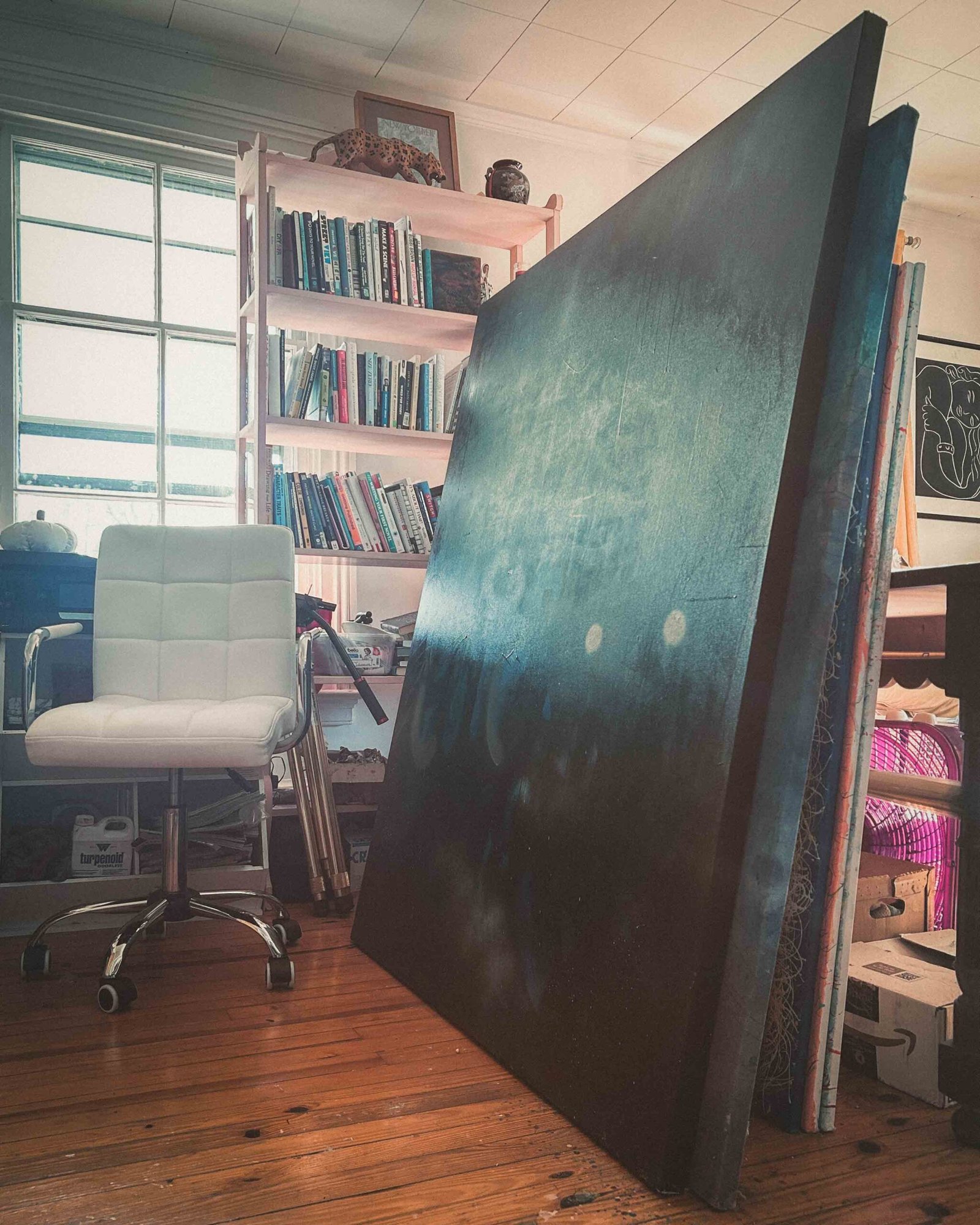
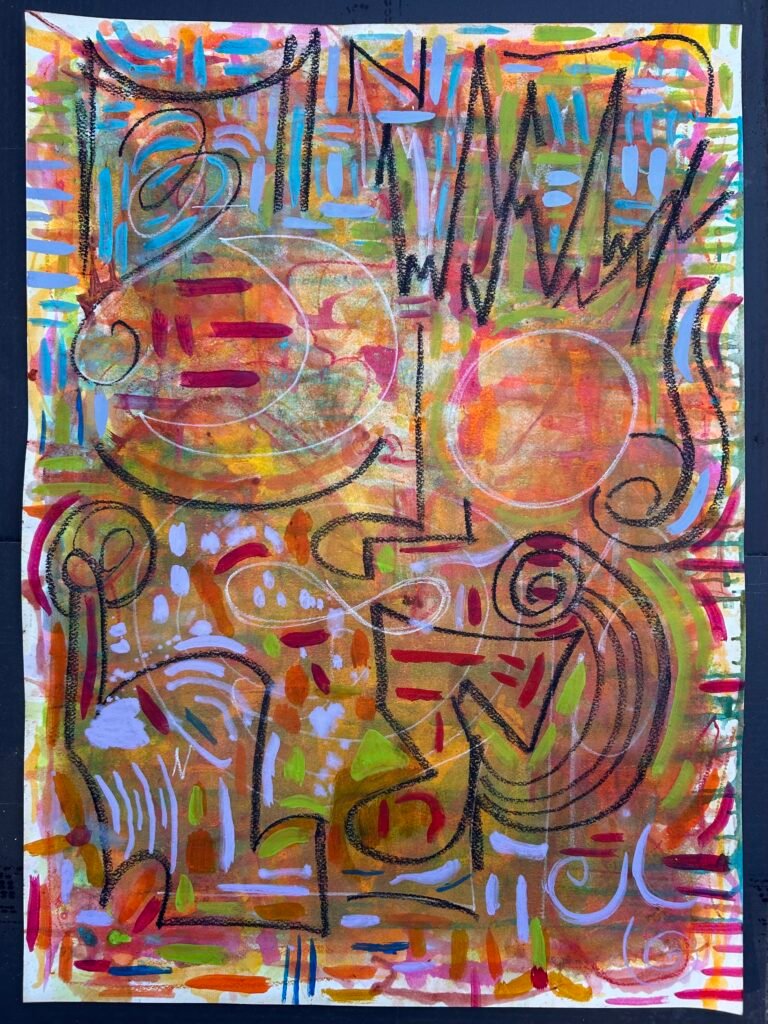
I never meant to take an almost six-month hiatus, but here I am, choosing to return. Choosing to begin. Choosing to work on a new art series about the soft, painful, intimate transition from girlhood to womanhood, told through color, emotion, and the slow return to self. My last series which I showcased during my art show in July, was created during a season of emotional reconstruction—paintings that explored what it means to rise after falling apart. It was a study in softness, resilience, and finding color again after a long darkness. I’ve linked that series here.
I always feel a pang of fear at the start of a new project. As a lifelong perfectionist, the blankness before me feels dangerous—a place where my mind spirals with expectations I can’t possibly meet. I want each series to be better than the last, and that desire breeds pressure: the pressure to perform, to be perfect, to make every brushstroke intentional and mistake-free. I dread blank canvases because they expose how little I know until I begin—how artists heal through painting often starts with facing a surface that scares them.
This time, I’m working on wood panels—a surface I’ve never painted on before. The unfamiliarity is thrilling, but it terrifies me too. There’s something scary about facing a material that I’ve never tried before, something that forces me to grow, to let go, to learn again. And maybe that’s the point of this winter: to relearn, to unfreeze, to meet myself where I am. This season feels like stepping into winter creative routines that ask for presence over perfection.
And so I will begin.
Inspiration called me back to the canvas, but grief is the reason I’m staying. There’s something inside me that needs to be said—truths I can only express through color and shape. When words fail to hold the weight of what I feel, my paintings speak for me.
Lately, the grief has been crushing. It takes up so much space that I sometimes feel like a stranger in my own life. It settles into the quiet moments of my day like dust on a windowsill. It presses itself into my thoughts. It hollows me out, the way someone cores an apple—slow, deliberate, leaving me emptied. But when I paint, something shifts. I soften, and so does the grief. It becomes something I can move with instead of something that flattens me. It becomes pain made purposeful. Each drop of paint feels like a small release, a gentle loosening of everything I’ve kept locked inside. Healing through art isn’t an escape—it’s a way through.
Anchoring Myself Through Creative Routine
When the grief gets heavy, routine becomes a lifeline—and this series has already begun shaping its own creative rituals. During a Black Friday sale, I bought brand-new paints just for this body of work. They feel like a clean slate, a fresh vocabulary of color I get to learn from scratch. And recently, I was gifted a stack of small wood panels—smaller than anything I usually work on. At first, the size intimidated me. Small surfaces leave no room to hide. They demand intention. Precision. Honesty. But in a way, that feels fitting for this series. The themes are intimate, so the scale should be too.
A few weeks ago, I wandered into an art thrift store and left with scraps of paper, sheets of origami print, and even a bundle of free fabric. None of it made sense at the time, but I grabbed it anyway. My mind has been drifting toward mixed media—toward layering textures and stories the way grief layers itself inside us. Maybe this series wants to be constructed piece by piece, not just painted. Maybe it wants collage, stitching, fragments—anything that echoes the messy, nonlinear way girlhood unfolds into womanhood.
And then there’s the ritual of getting dressed to paint. I call it my art uniform—worn-in PacSun jeans, my paint-splattered sweater, hair pulled back, a quiet shift in my posture that tells my body it’s time to work. Putting it on changes me. It reminds me that this isn’t a pastime; it’s my craft, my career, my calling. I plan to sell these pieces in an exhibition next year—to hang this part of my story on a wall and let strangers feel something from it. That intention alone requires discipline. Presence. Reverence for the work.
So I treat the studio like a job. I block out time. I show up even when I don’t feel like it. I put on my uniform, turn on a playlist, and let ritual guide me back to the table. Little by little, the panels begin to come alive—and so do I.
Before every painting session, I flip open Rick Rubin’s The Creative Act: A Way of Being.
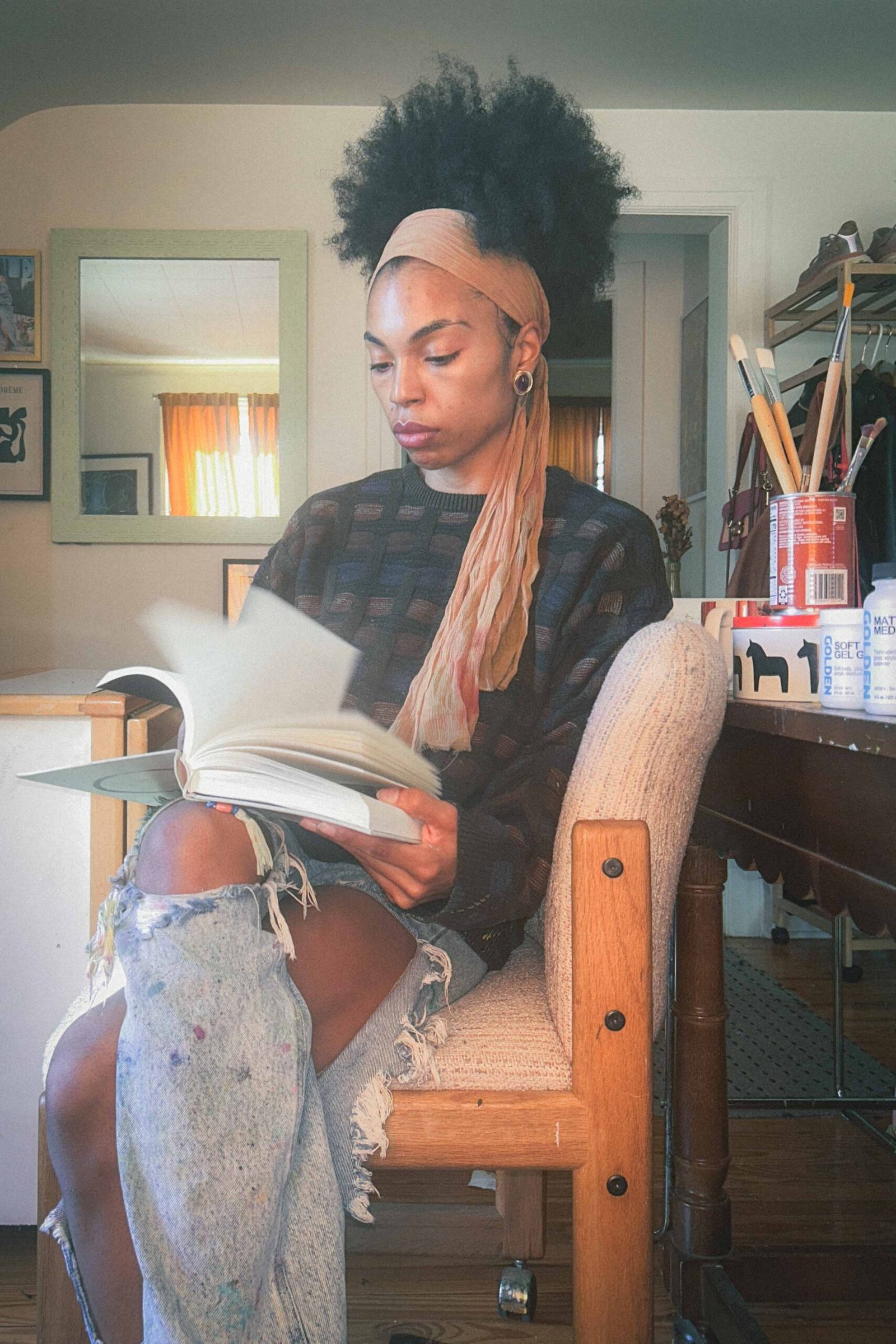
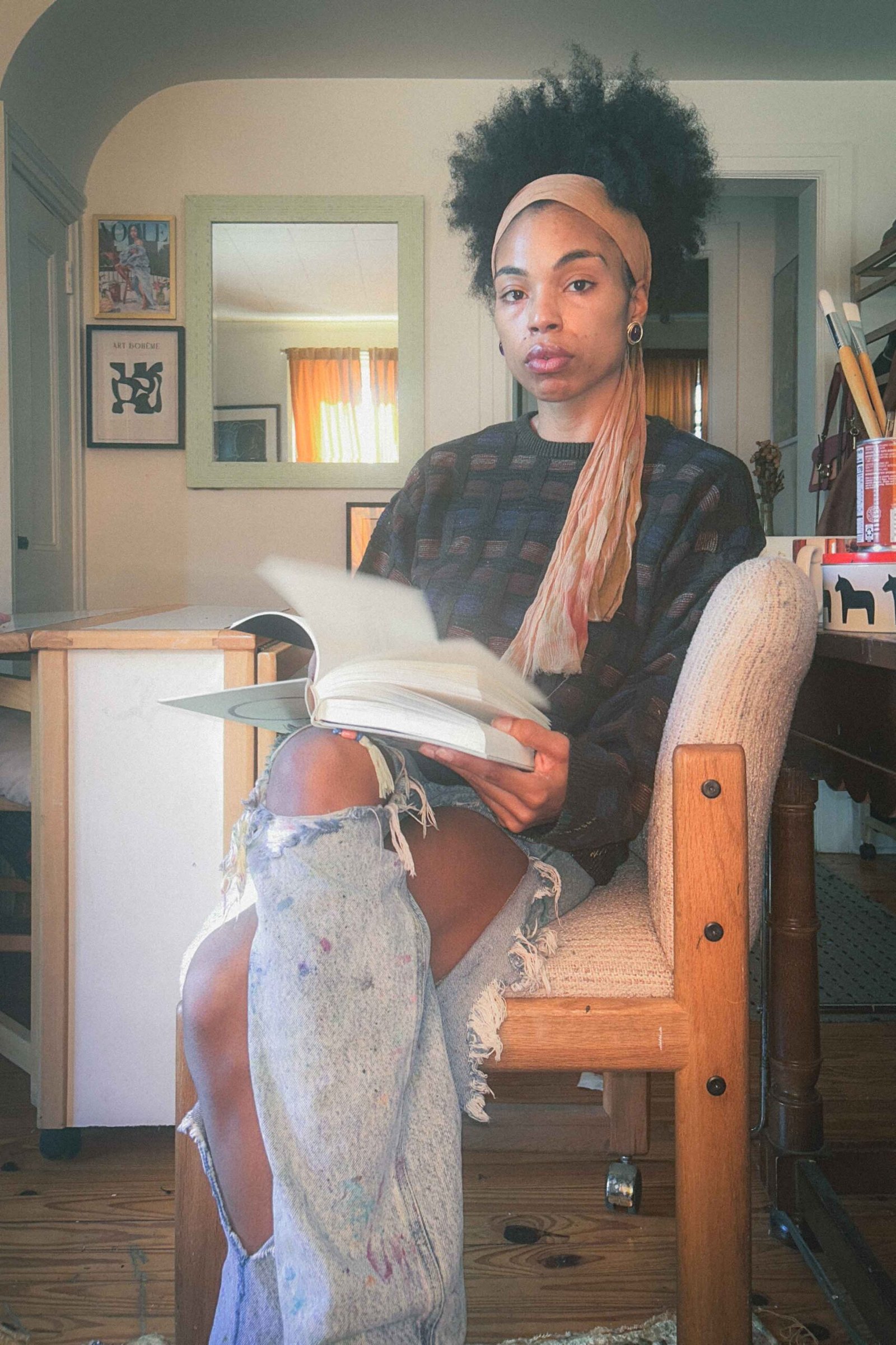
I treat it almost like a devotional, chewing over his words as I sit at the canvas and start work. On the days when I need encouragement or a new perspective, I open it at random and read whatever line finds me. There’s something grounding about his reminder that creativity isn’t a performance — it’s a presence, a way of moving through the world with attention and honesty. He also says that creativity is an infinite resource which helps calm my fears that I have ran out of things to say. His book reminds me that the work matters more than the fear, that the act of showing up is its own kind of victory. It’s become part of my quiet ritual, a small doorway into the creative mindset I need before picking up the brush.
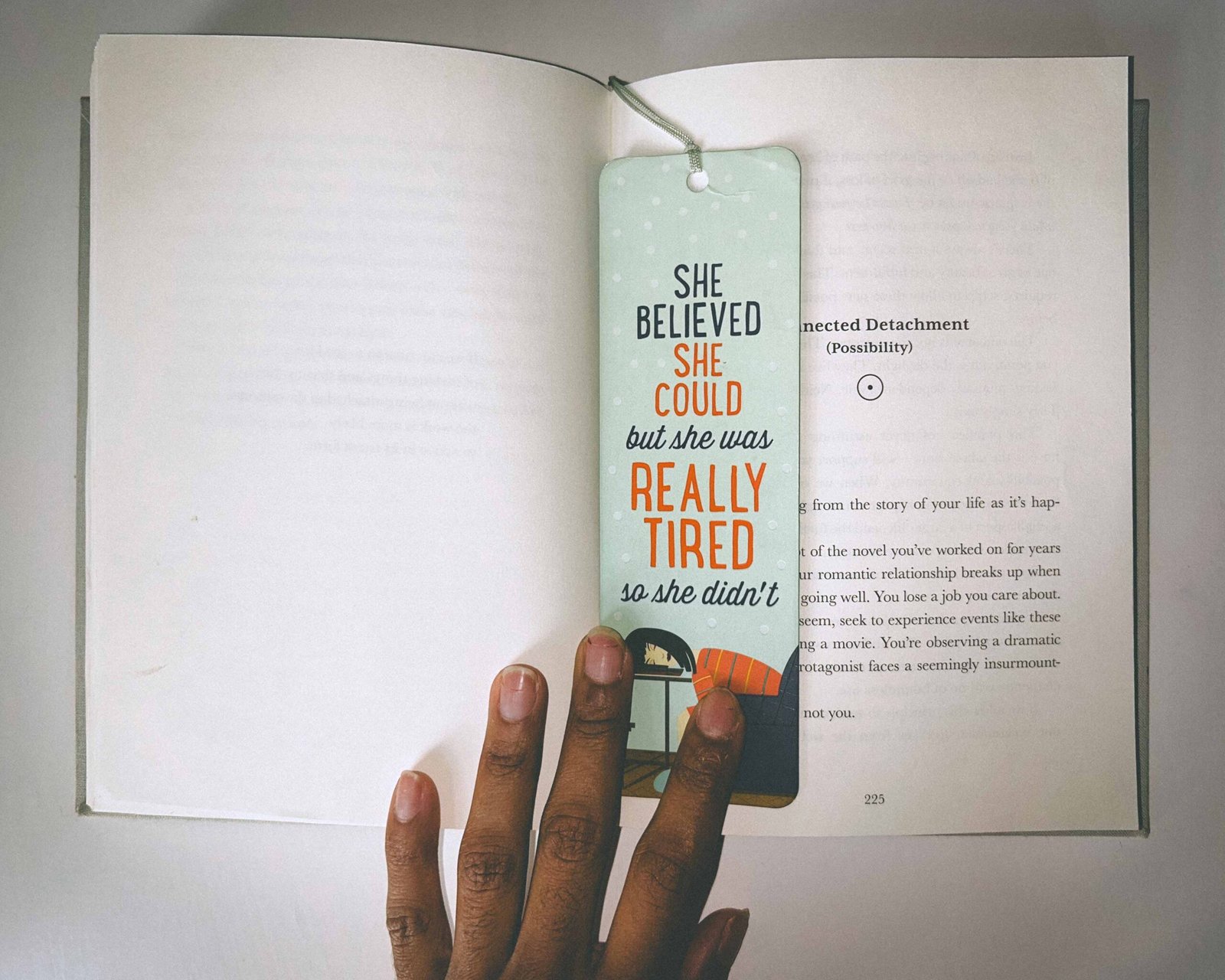
Art and life, intertwined
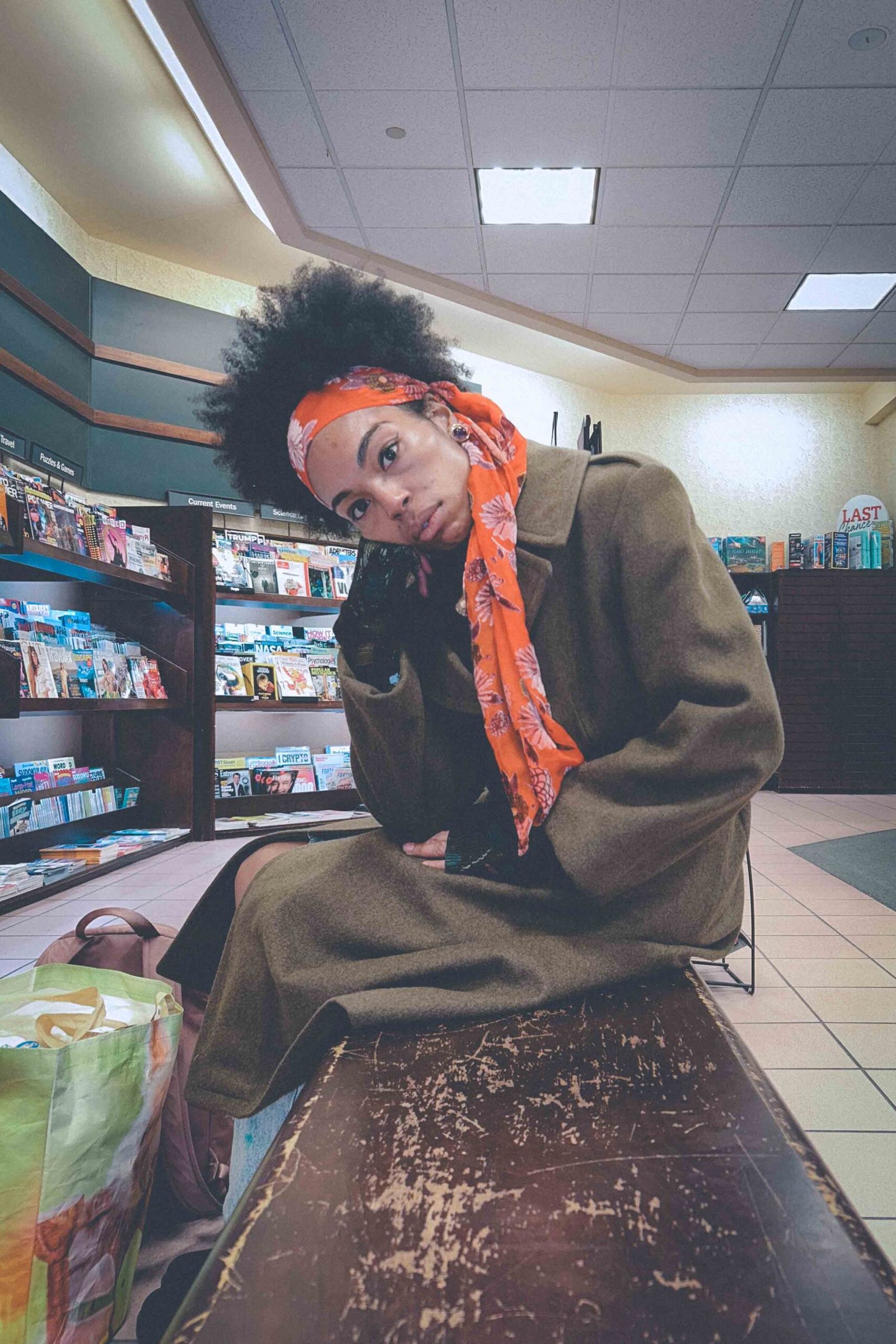
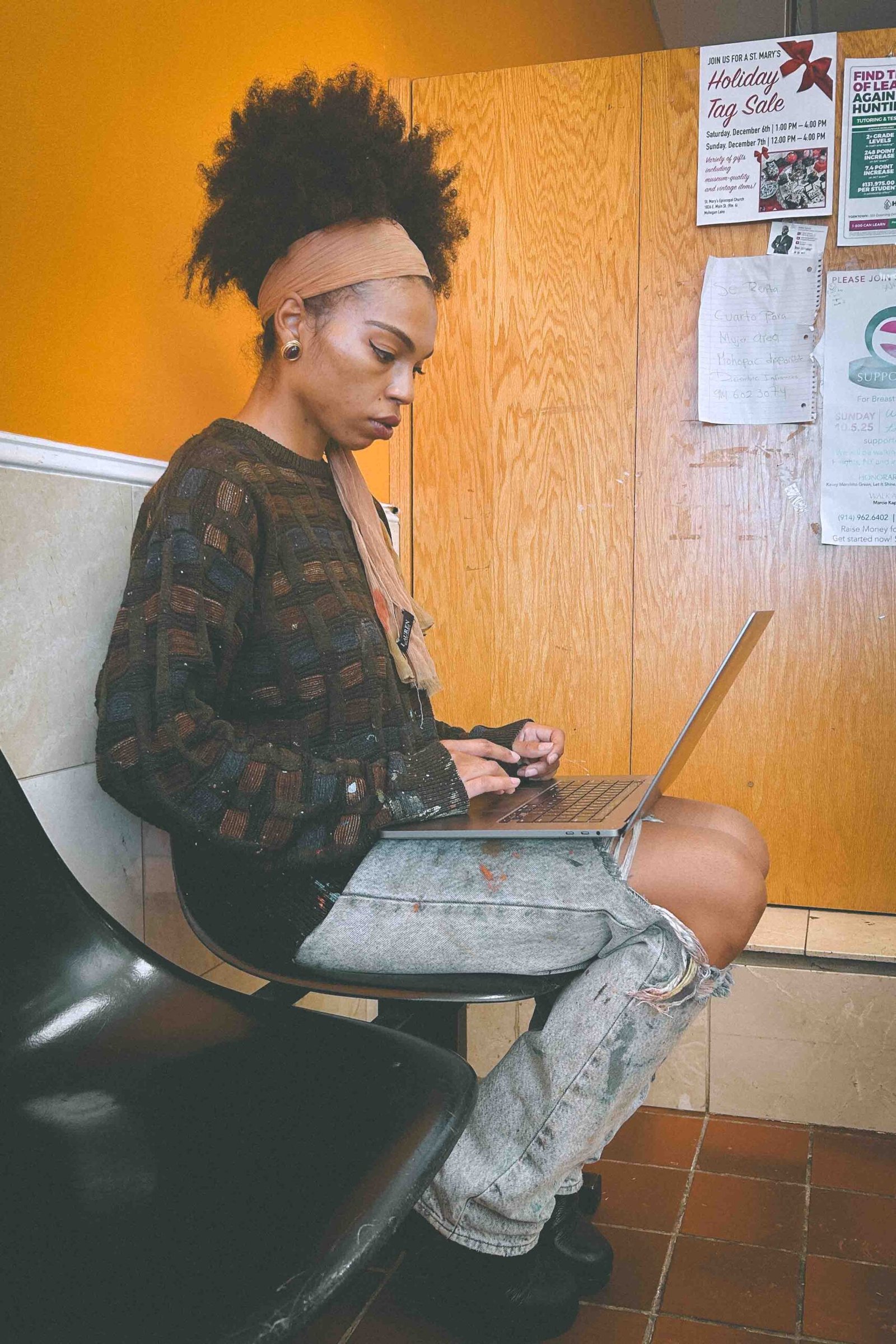
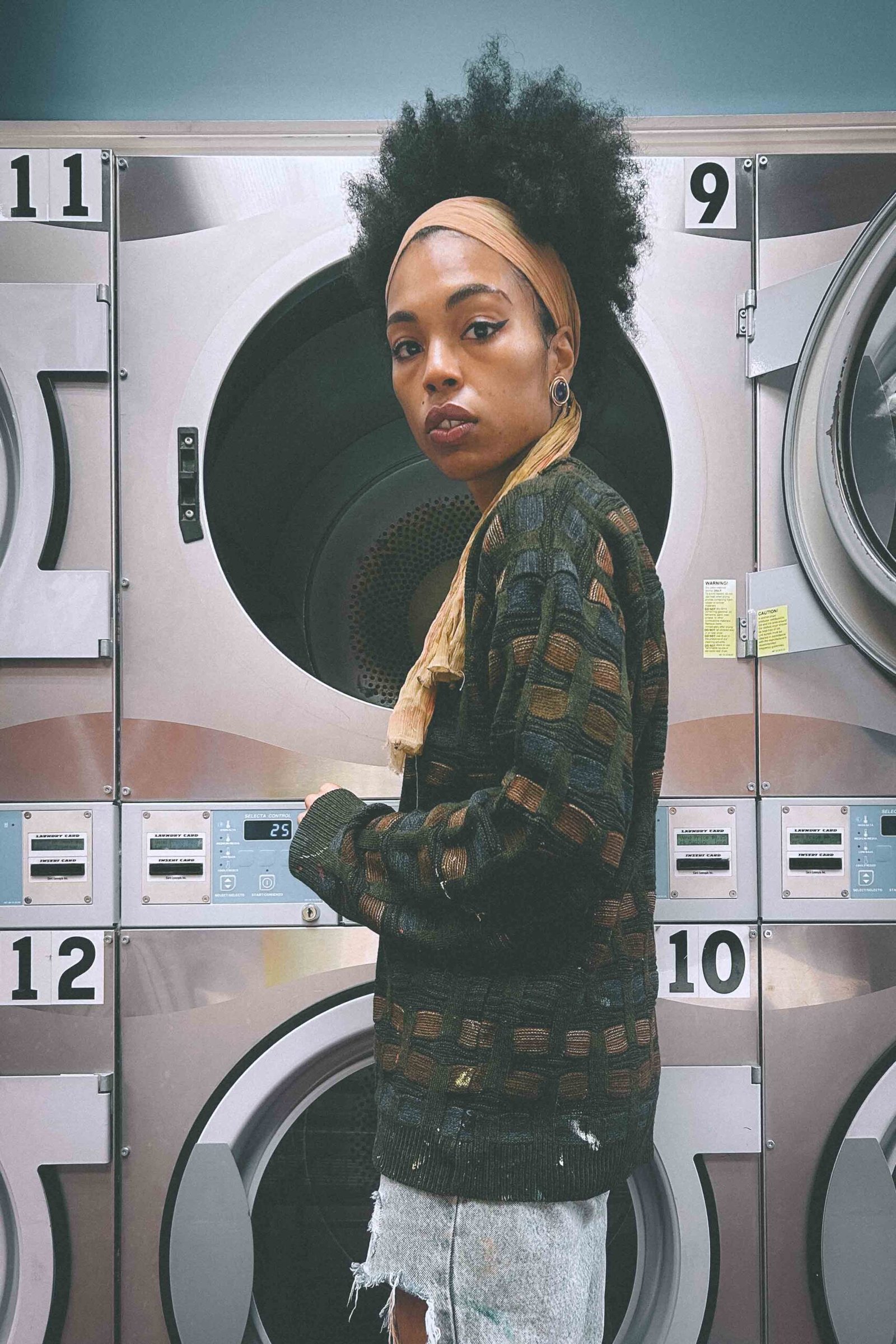
Real life doesn’t pause just because I’m making art. Between priming panels and mixing new colors, I’m still hauling my laundry to the laundromat, budgeting groceries, and running errands around town. Even though the artist life is romantic, I’m also dealing with the unglamorous demands of everyday life. I cook dinner when I’d rather not, I do laundry when it’s easier to stay inside, I pay my bills when I need the money for art supplies. There’s something strangely grounding about this — the way art and everyday tasks weave together. Creativity doesn’t always look like isolated studio time; sometimes it looks like finding inspiration buying toiletries at Walmart or letting an idea simmer while waiting for the dryer to finish its cycle. These quiet, ordinary moments have a way of keeping me grounded, present, and human. They remind me that my life is the soil my art grows from.
The First Flicker of A New Art Series
Every series I’ve made has carried its own emotional landscape. I’ve decided to start a new series and this one feels different—quieter, more tender, almost secretive in the way it’s forming. So far, I don’t know where the series is headed but what I can say is that the work is circling themes that have quietly followed me for years: becoming, unraveling, reconnecting, softening, healing. The emotional terrain of this series feels like standing between who I was and who I am becoming—a kind of threshold space. It’s nerve-racking to start a new art series when the story is still revealing itself. Even I’m held in suspense.
I’m still figuring out what this series wants to be. Right now, it feels like following a thread through a dark room—trusting that my hands will understand the work long before my mind does. I’m letting it unfold naturally, holding the concept loosely and allowing the series to speak for itself. It’s asking for honesty, softness, and presence. So I’ll show up each day and paint. Paint until the feelings settle. Paint until the pieces begin to breathe. Paint until the story reveals itself one layer at a time.
The Colors of Winter and the new series
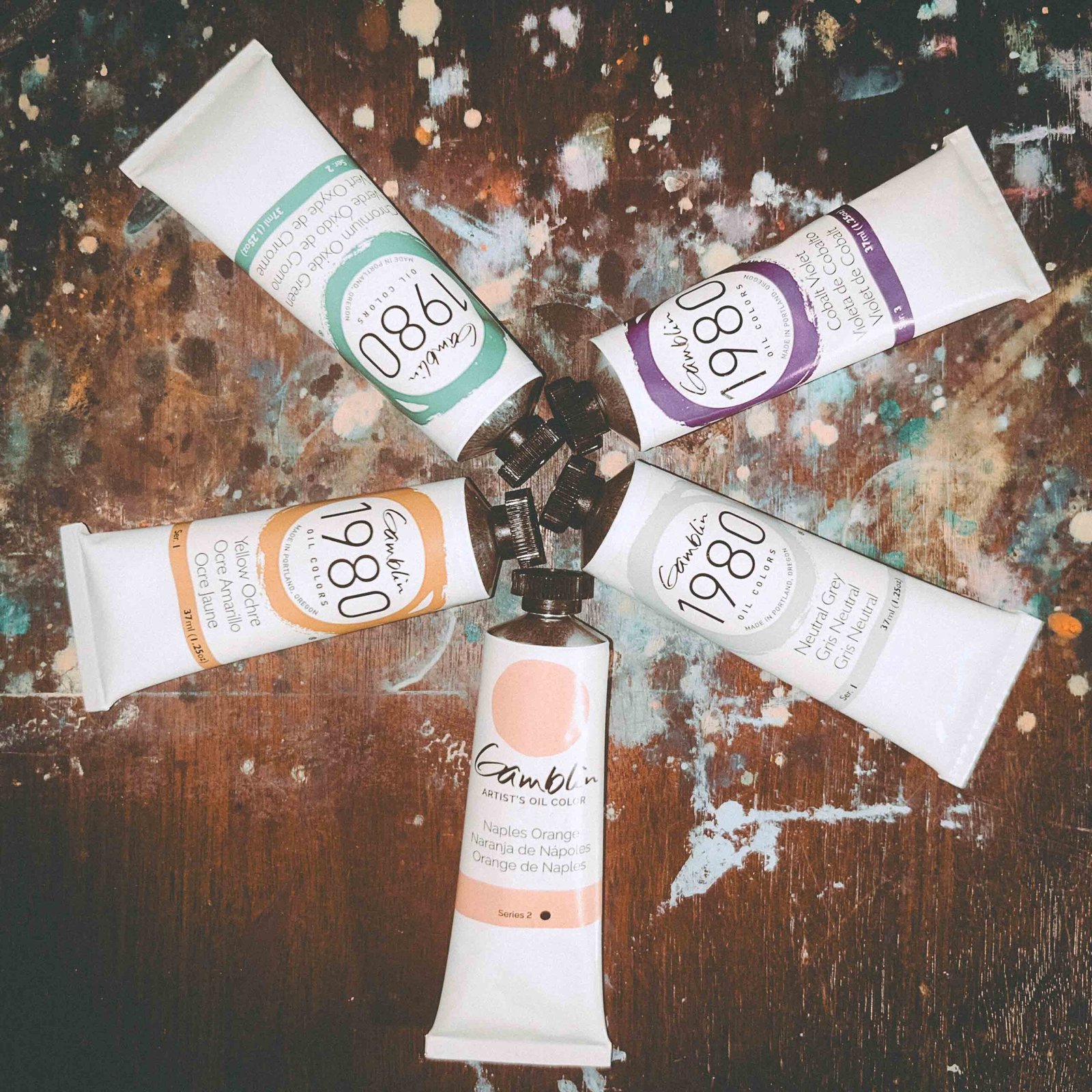
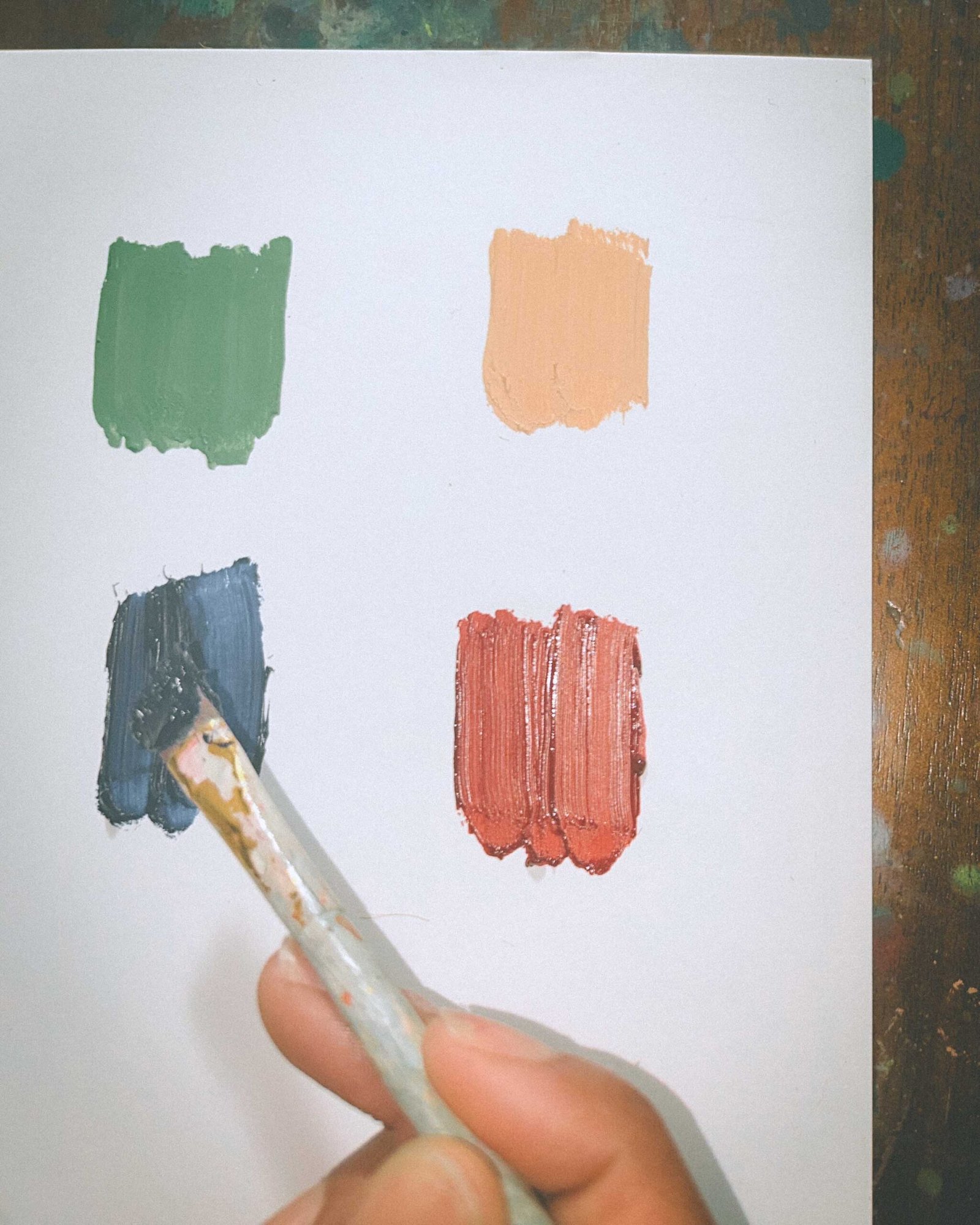
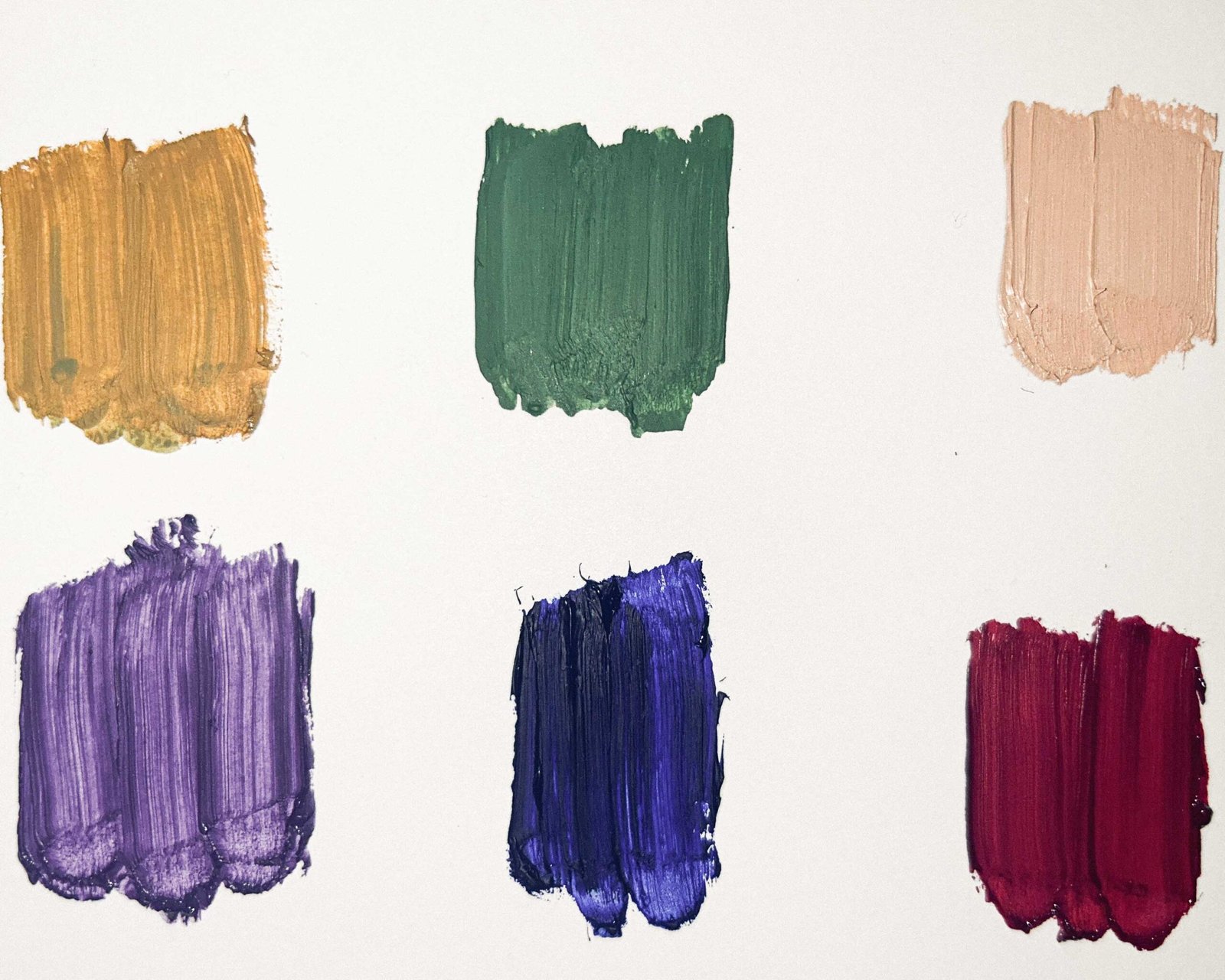
Winter has also shaped the palette I keep reaching for—muted pinks that feel like softened memories, deep violets that hold the ache, blues pulled straight from the lake I pass every so often—the one that freezes each winter and thaws in March. Even the ochres and warm neutrals seem quieter this season, as if winter itself has taken the saturation down a notch. These colors feel honest right now, and honest is all I can manage.
As The Winter Settles in
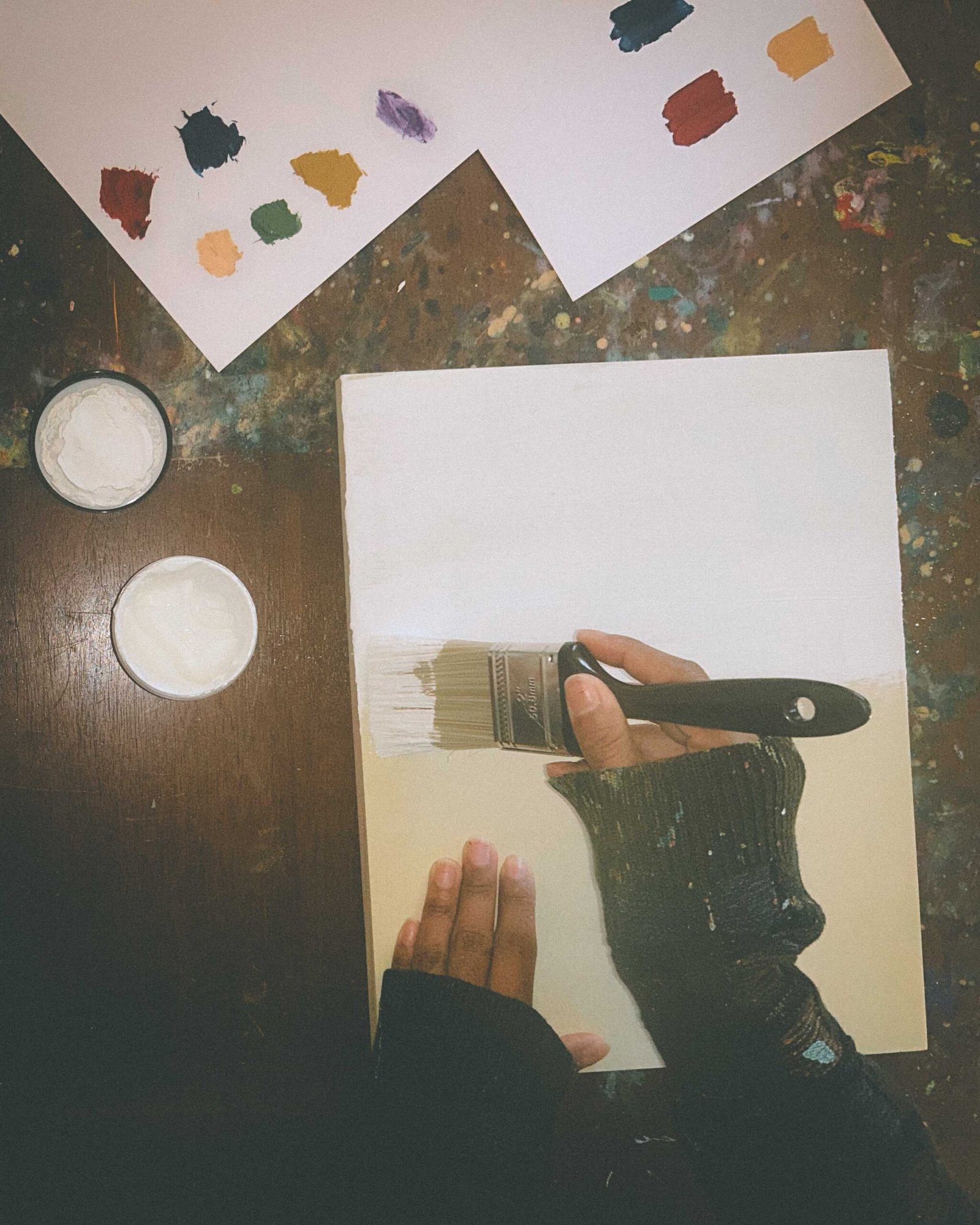
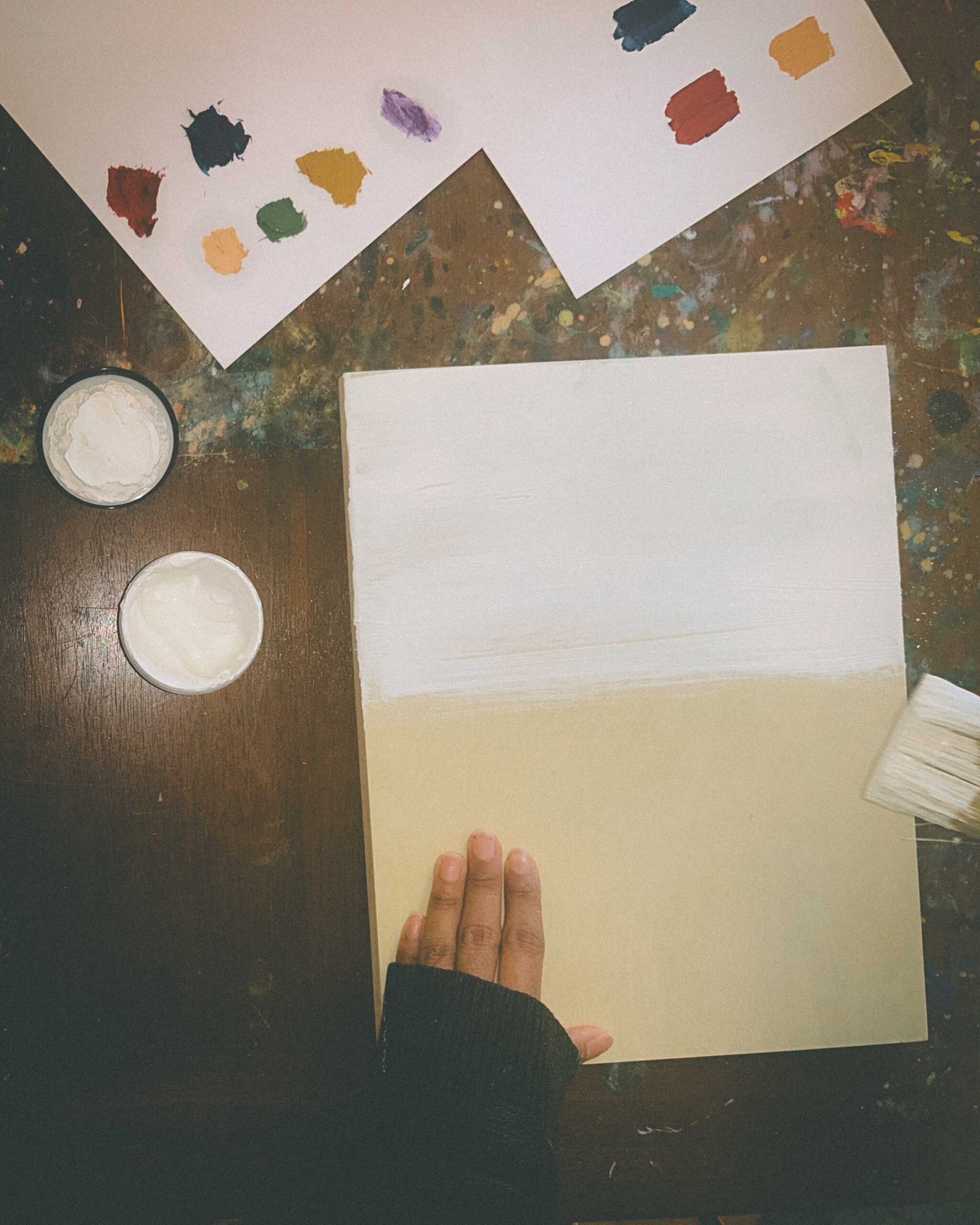
The winter light settles differently too, landing in cool strips across my table, illuminating the scraps of paper and fabric waiting to become part of something new. The small panels feel solid in my hands, grounding me as I work. And there’s a quiet intimacy in all of it—the colors, the textures, the warmth of a mug in my hands—a sensory world that steadies me as I move through this season’s work.
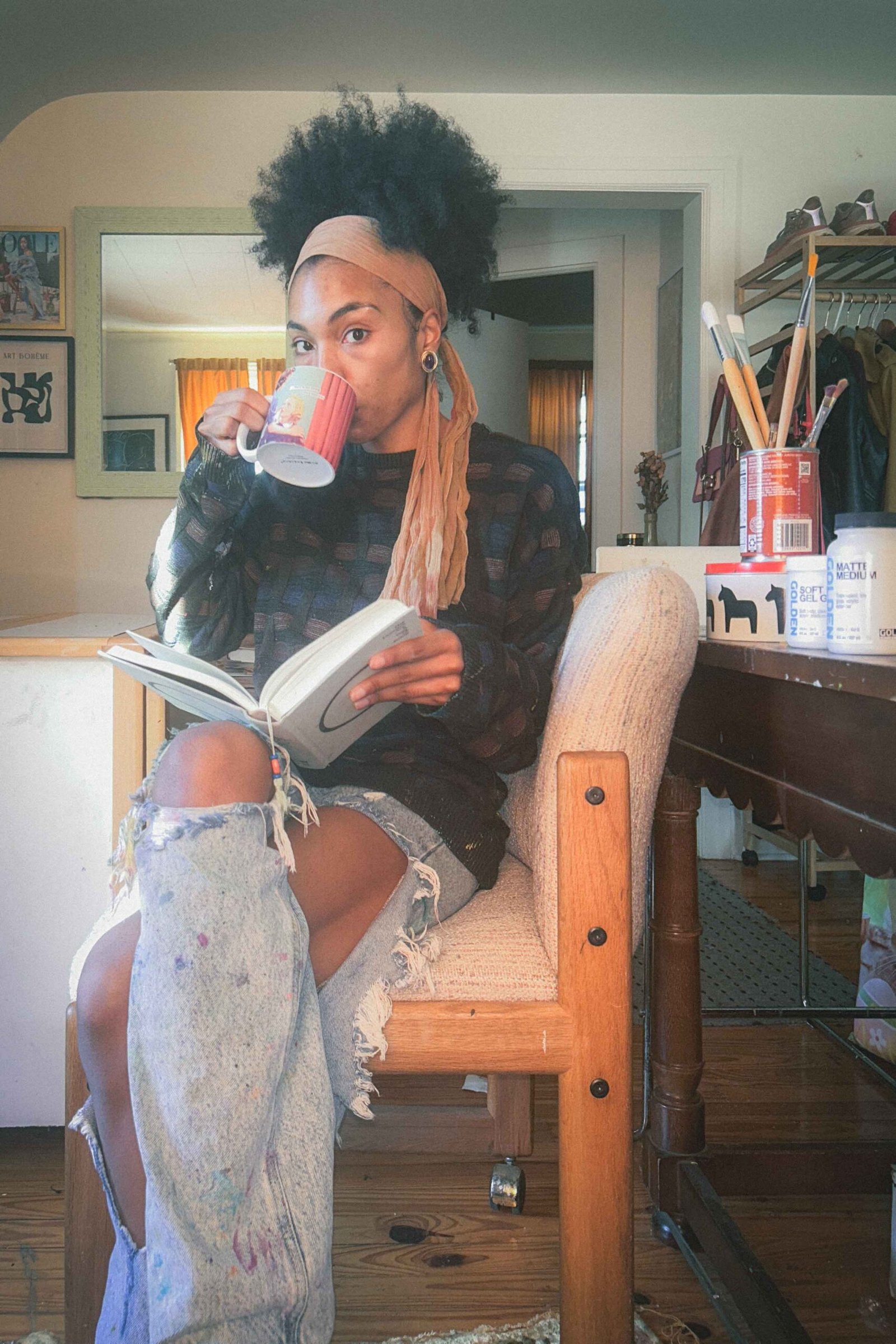
As the days grow colder, I’m learning to lean into this quiet season—the stillness, the softness, the strange beauty of rebuilding. The work is slow, but it’s alive, pulsing with something I can’t name yet. And maybe that’s enough: to keep painting, to keep breathing, to keep finding myself in the layers. Winter will pass, but what I make here, in this small, warm room, is eternal.
🌿 Stay awhile. Join Slow Notes, my monthly letter from The Bohemian Bungalow — a quiet, creative space for art, style, and soul.