The Making of a Painter: A Hudson Valley Abstract Artist’s Story
A Hudson Valley Abstract Expressionist’s Journey Back to Herself
The Language of Paint: A Hudson Valley Abstract Artist on Color and Emotion
Water floods the paper. Pigment spreads and pools—some metallic, others sheer—moving slowly, like tourists tubing down the French Broad River in Asheville on a Sunday afternoon, craft beers in hand, feet lazily kicking through the current. The colors that drip down the page become winding roads through the Blue Ridge Mountains, car windows rolled down, heat rising from the pavement as you drive into Asheville, North Carolina, the place I called home for most of my twenties.
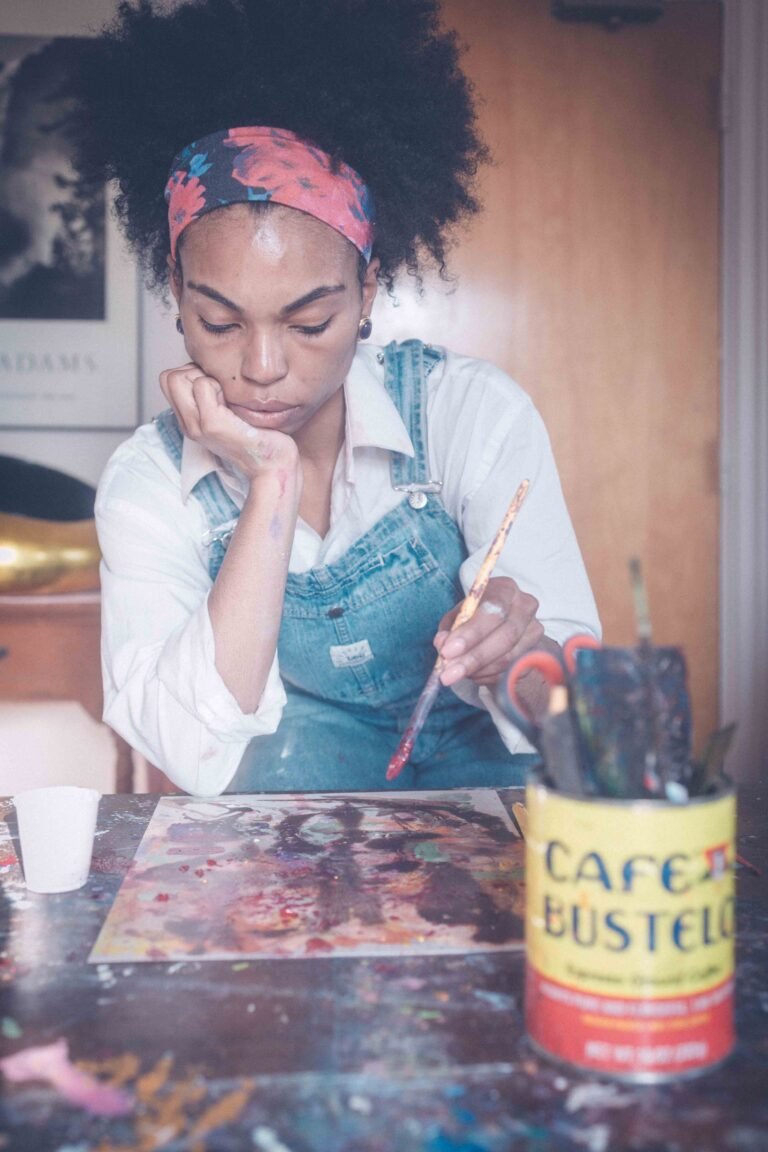
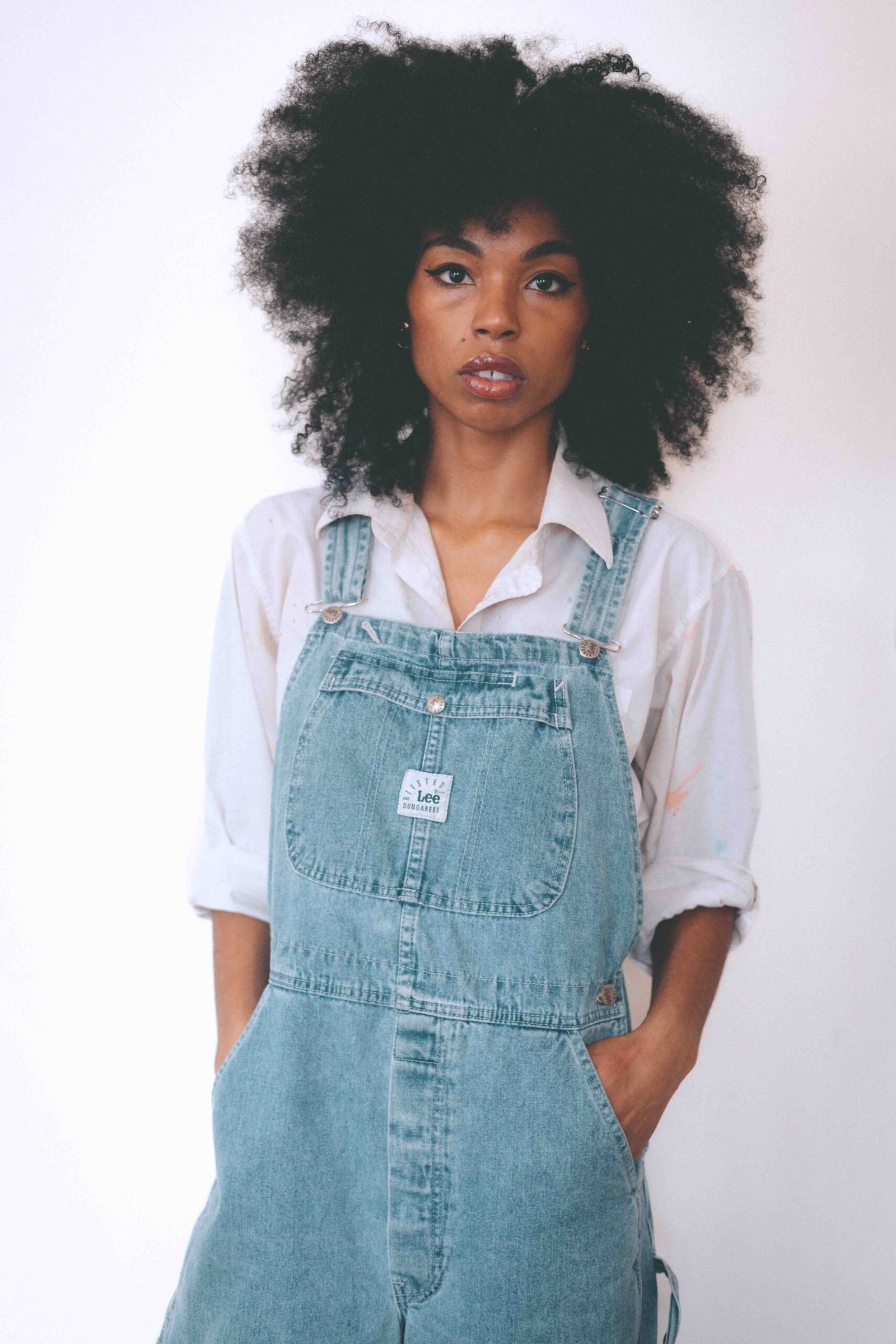
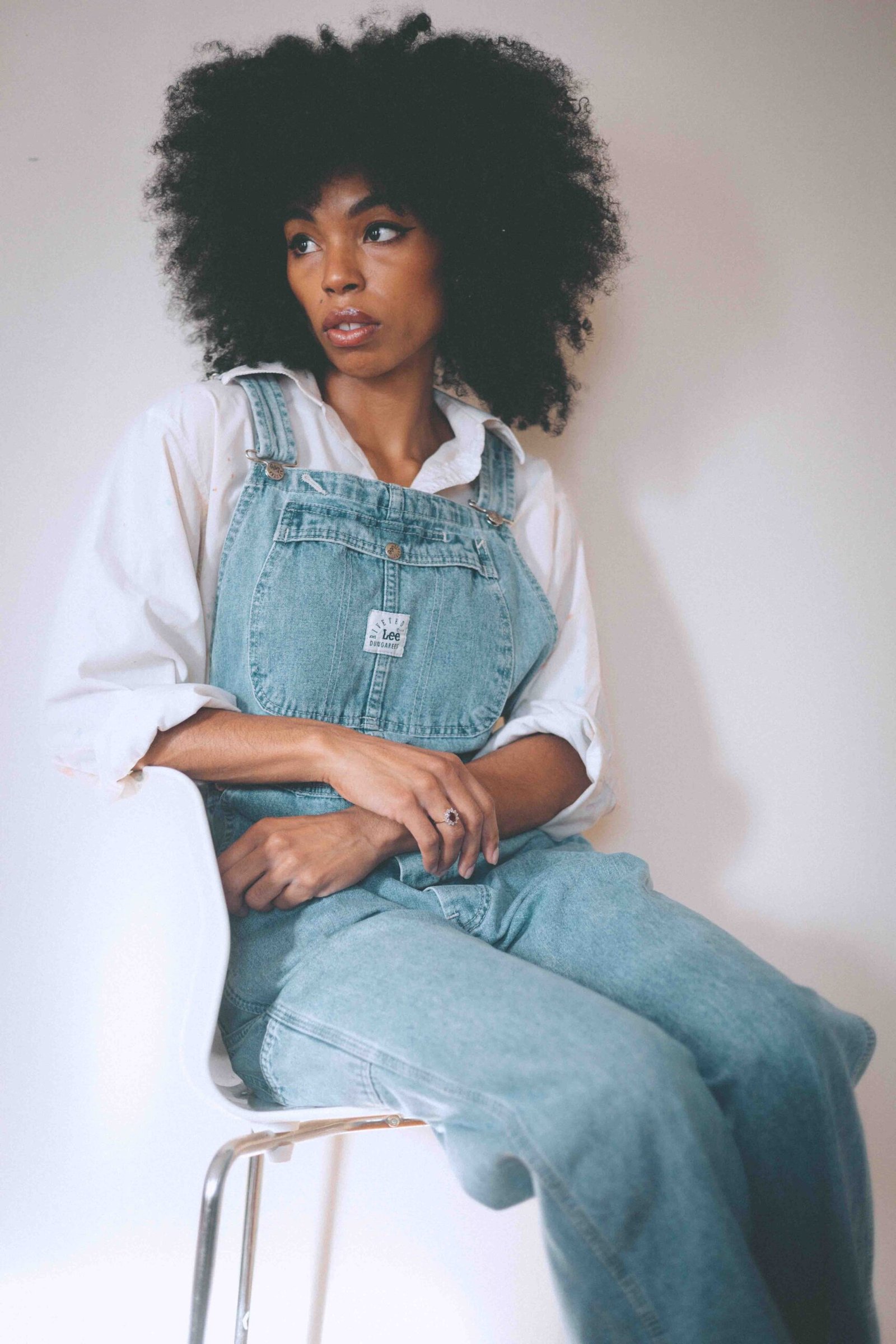
I am a self-taught abstract expressionist painter now based in the Hudson Valley, New York. I use paint as a language for emotions I’ve never been able to articulate with words. Abstract art gives me permission to speak without judgment and to work intuitively, without censorship. It allows me to express emotions that resist language, to be honest when it would be easier to wear a mask.
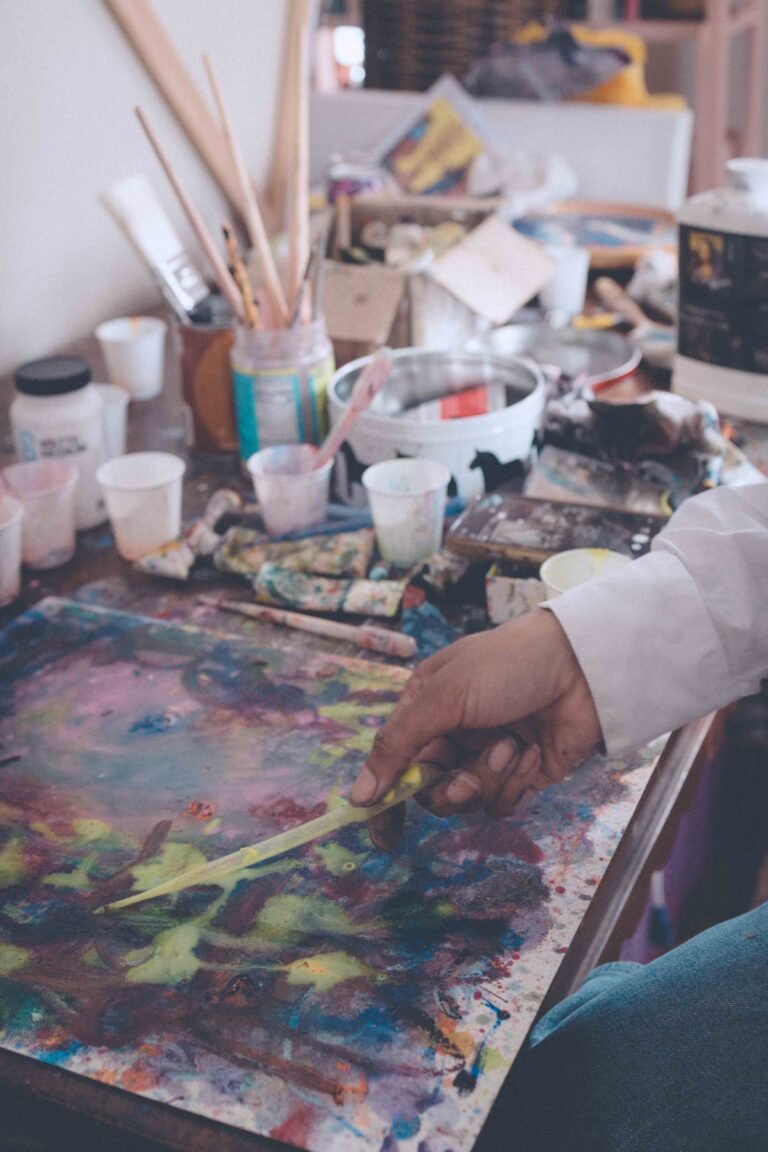
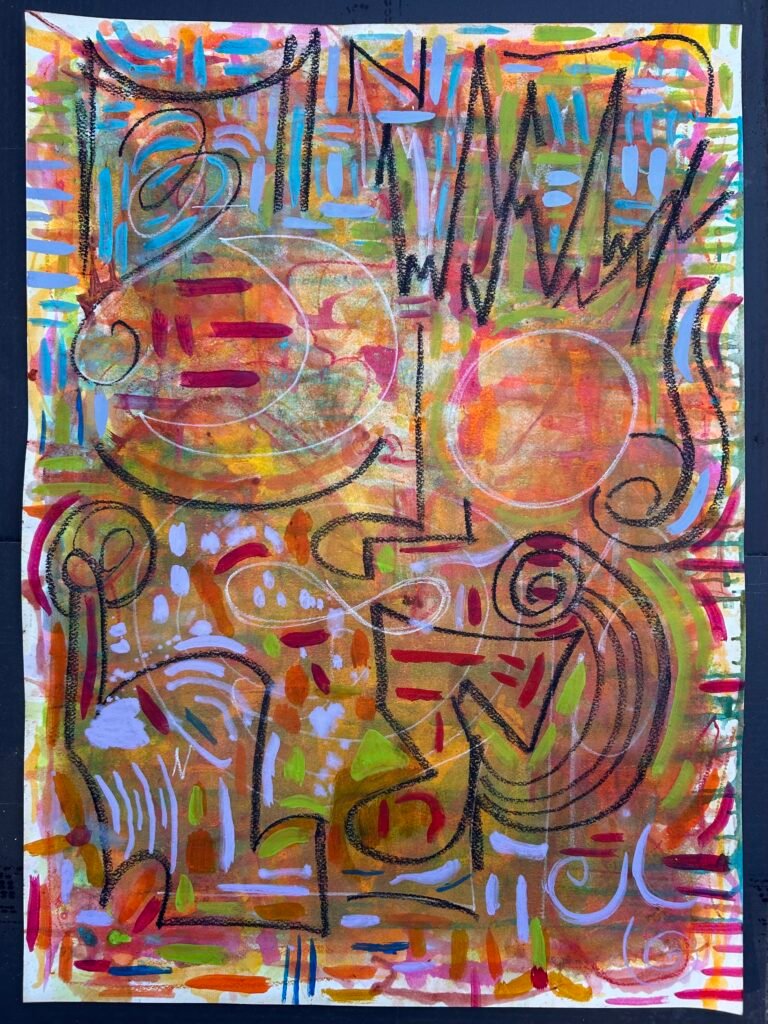
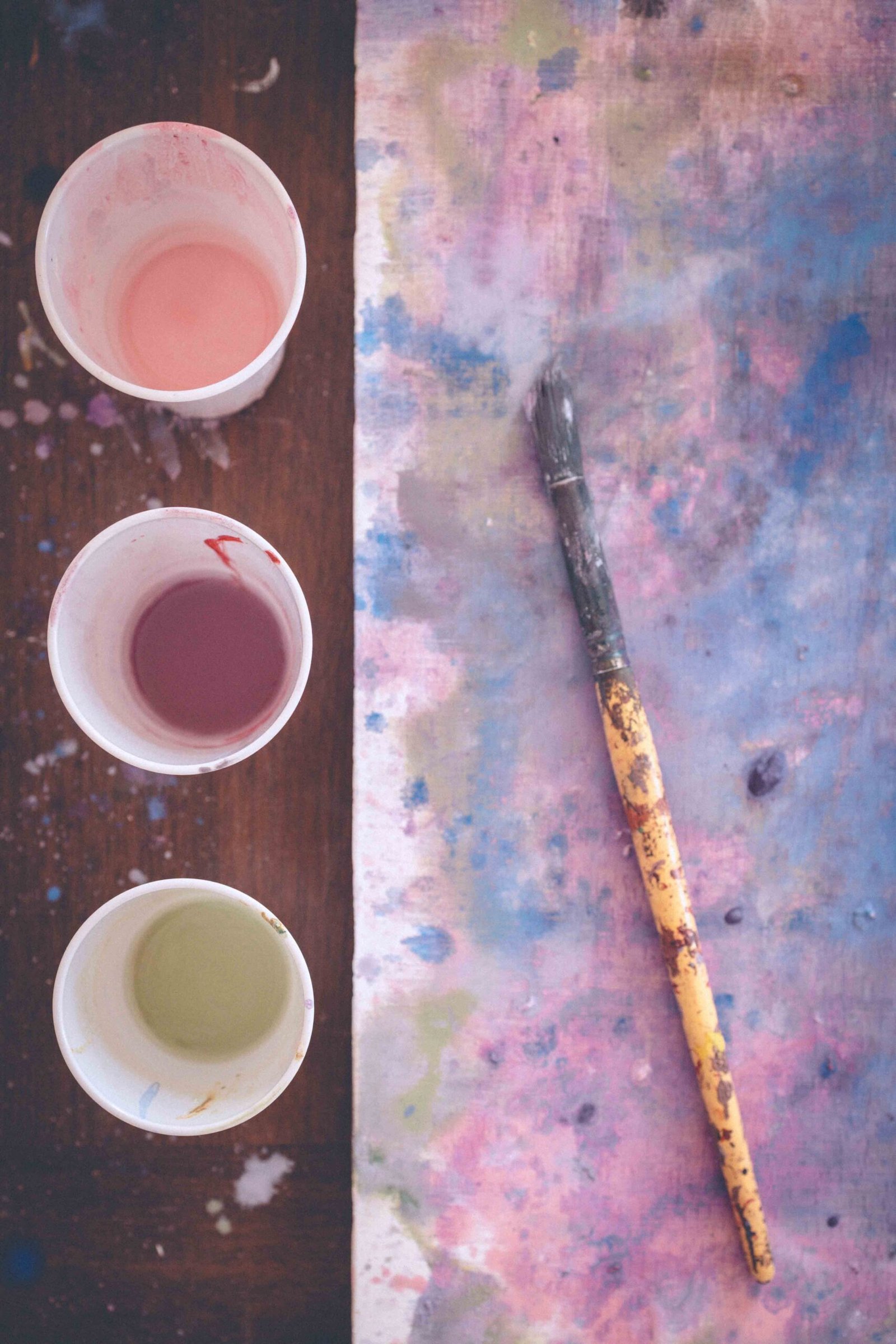
When I press the brush firmly into the paper, the bristles release marks that feel like translations measured and instinctive. They reflect my inner world. Some strokes are soft and wispy, others jagged and insistent. They carry sadness, the weight of depression, and the fragile, flickering hope that emerges as I work through both.
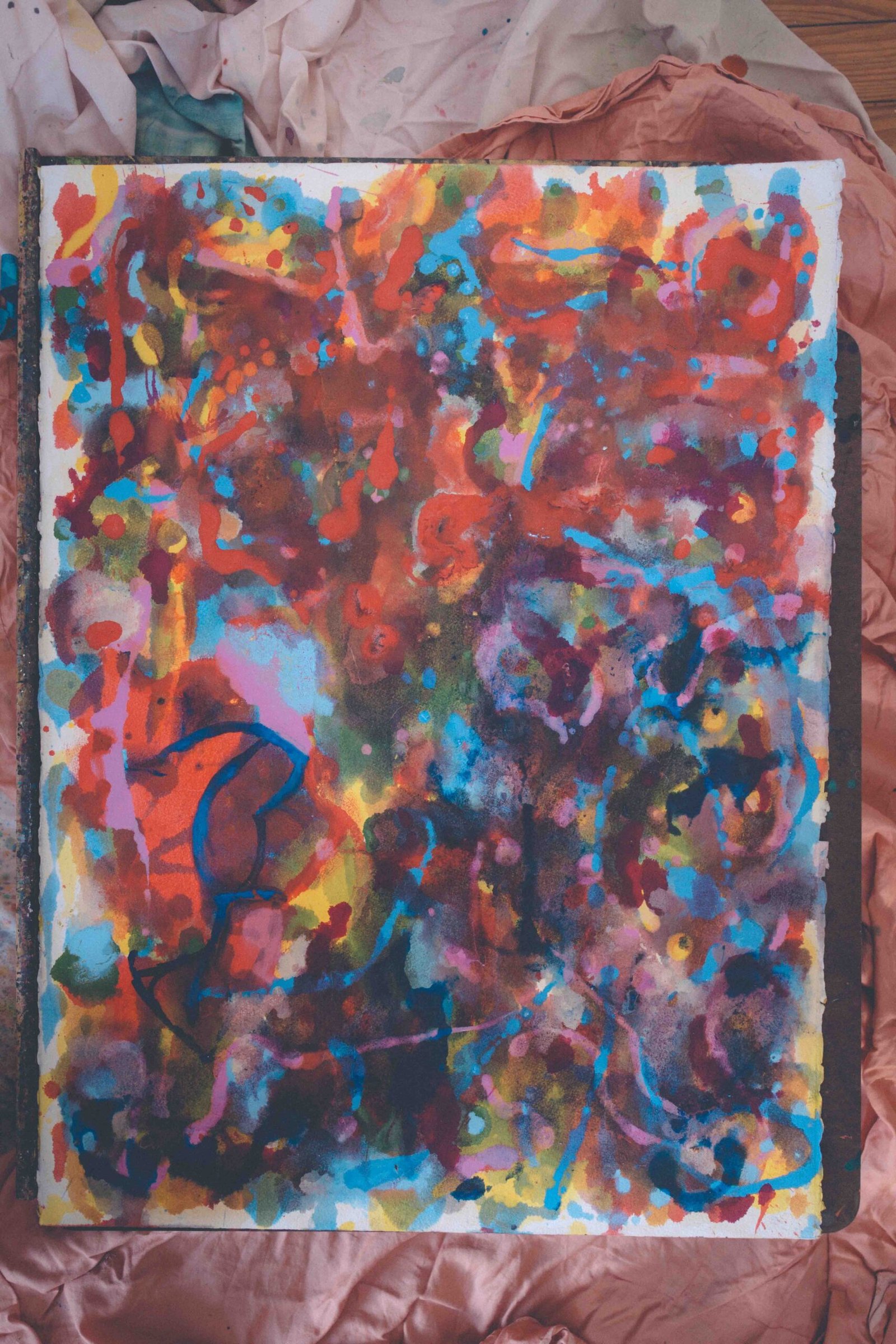
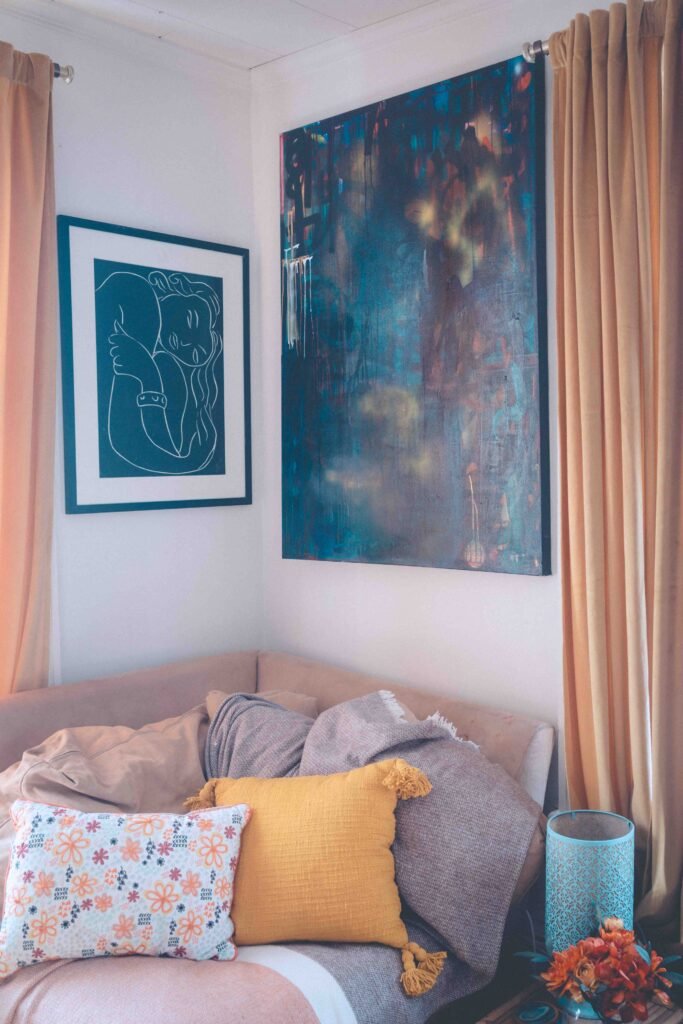
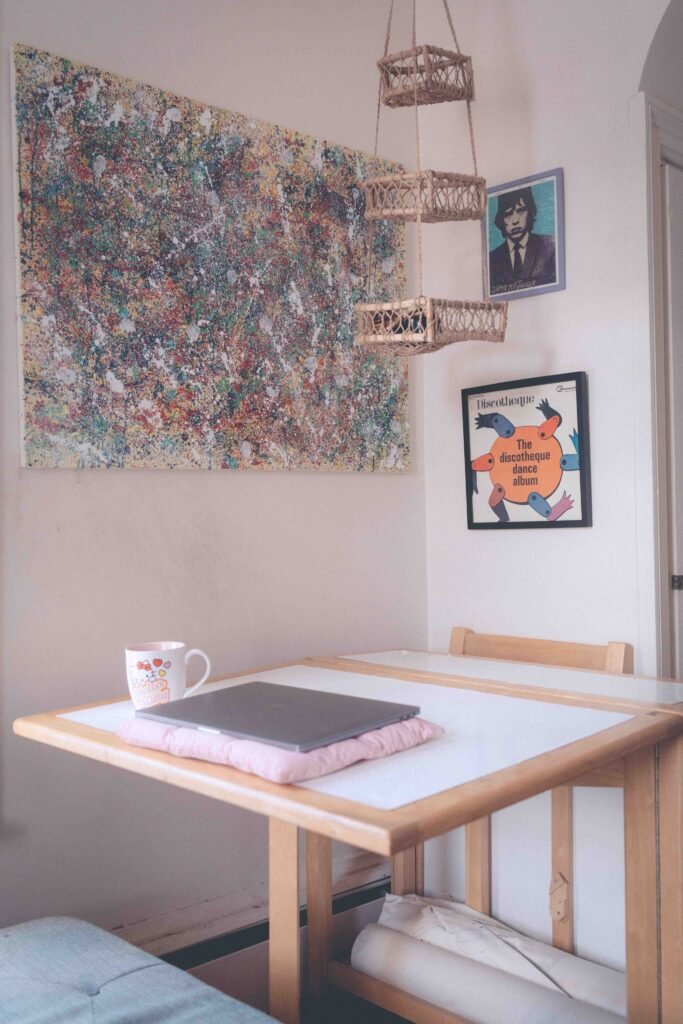
Acrylic ink blooms into flower-like shapes. Expressive pools of color scatter across the surface, forming emotional landscapes that feel raw, unfiltered, and deeply personal. Under the warm glow of my living room lamps, metallic pigments shimmer quietly, telling my story without words.
For me, painting became a way of listening—to myself, to emotion, to what surfaced when words fell short. Sometimes that language emerged softly; other times it arrived in floods, breaking through the banks entirely.
But this wasn’t always my reality.
Summer Sun & Rock Bottom: Depression at 24
In the summer of 2019, my life felt suspended in a dull loop. I had been working at a burger joint—a job that drained what little energy I had left—until I lost it that May. What followed were weeks of lethargy and emotional paralysis. I barely moved from the couch, numbing myself with television and endless scrolling. While tourists crowded the streets of downtown Asheville, drawn by the mountain air and offbeat culture that made the city so magnetic, I stayed home, sunlight spilling across my coffee table as I rolled over on the couch, dulled by too much television and too little direction.
At 24, I felt unmoored. No job. No direction. No outlet for the restless pressure in my chest. I was in the middle of a self-imposed ninety-day dating fast after a series of bad dates and the all too familiar pattern I had of trying to find myself in the arms of someone else. I had no idea who I was without distraction and without being tethered to someone else.
My apartment mirrored my mental state. Candy wrappers and soda cans crowded the coffee table. Dishes stacked precariously in the sink. Clothes covered the bedroom floor in uneven, chaotic piles. It was overwhelming—and deeply isolating.
I spent hours comparing my life to carefully curated Instagram feeds, where everything appeared polished and effortless. Everyone else seemed to be thriving. I felt invisible, behind, and profoundly disconnected from any sense of purpose. What little comfort I found lived at the bottom of a Cheetos bag and in the endless scroll of my phone.
From Serving Burgers to Fine Art: Becoming an Accidental Artist
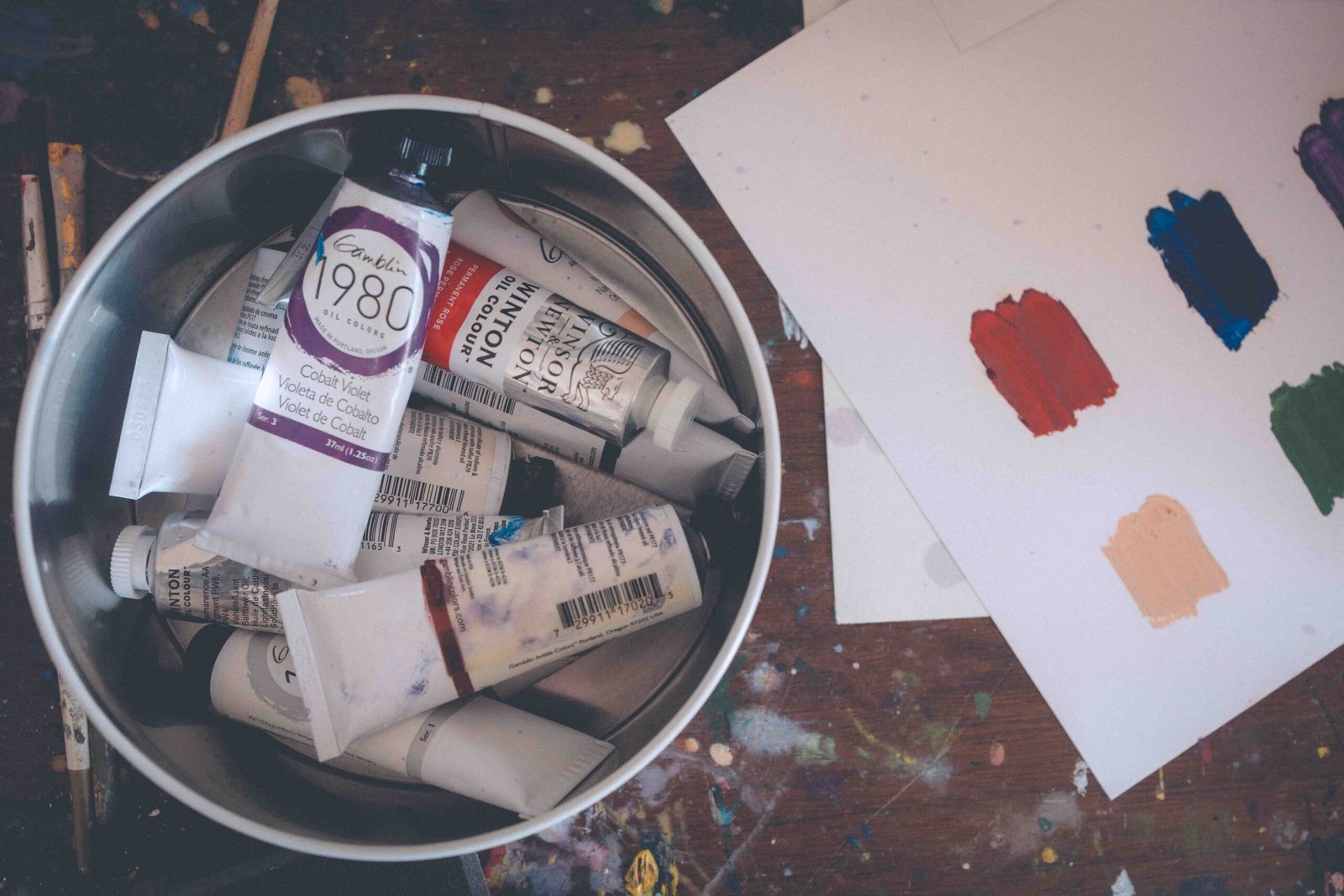
Desperate for relief, I decided to try something creative. Gardening came to mind, despite my poor track record with plants. I went to Walmart, pushing a cart toward the gardening section, when I passed an aisle filled with beginner art supplies.
Rows of acrylic paints, blank canvases, and brushes stopped me in my tracks.
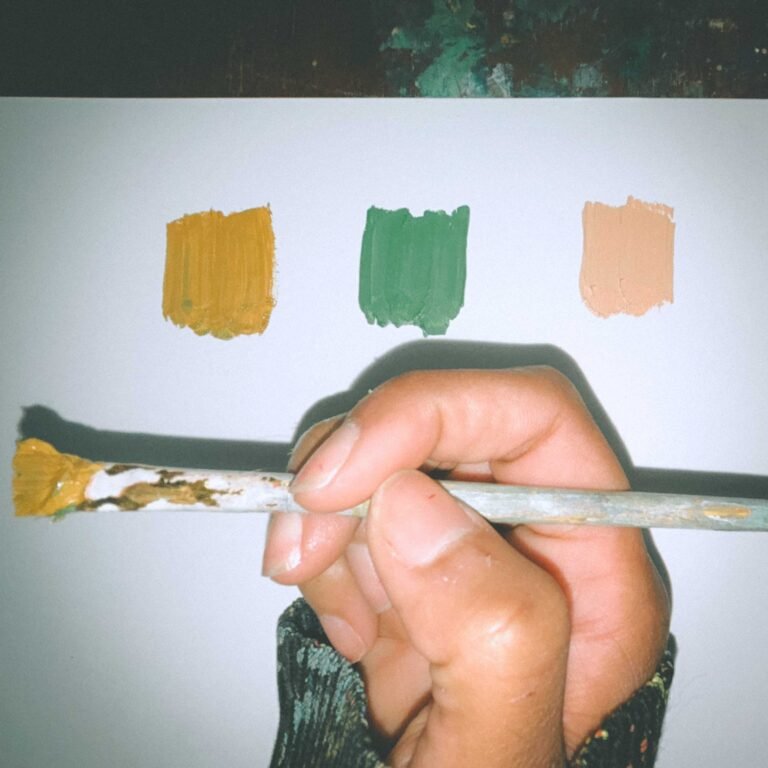
On a whim, I abandoned my original plan and filled my cart with painting supplies instead. I didn’t know why; it just felt right. That night, I picked up a fine-tipped brush for the first time.
It was love at first stroke.
Learning to Paint Without Rules
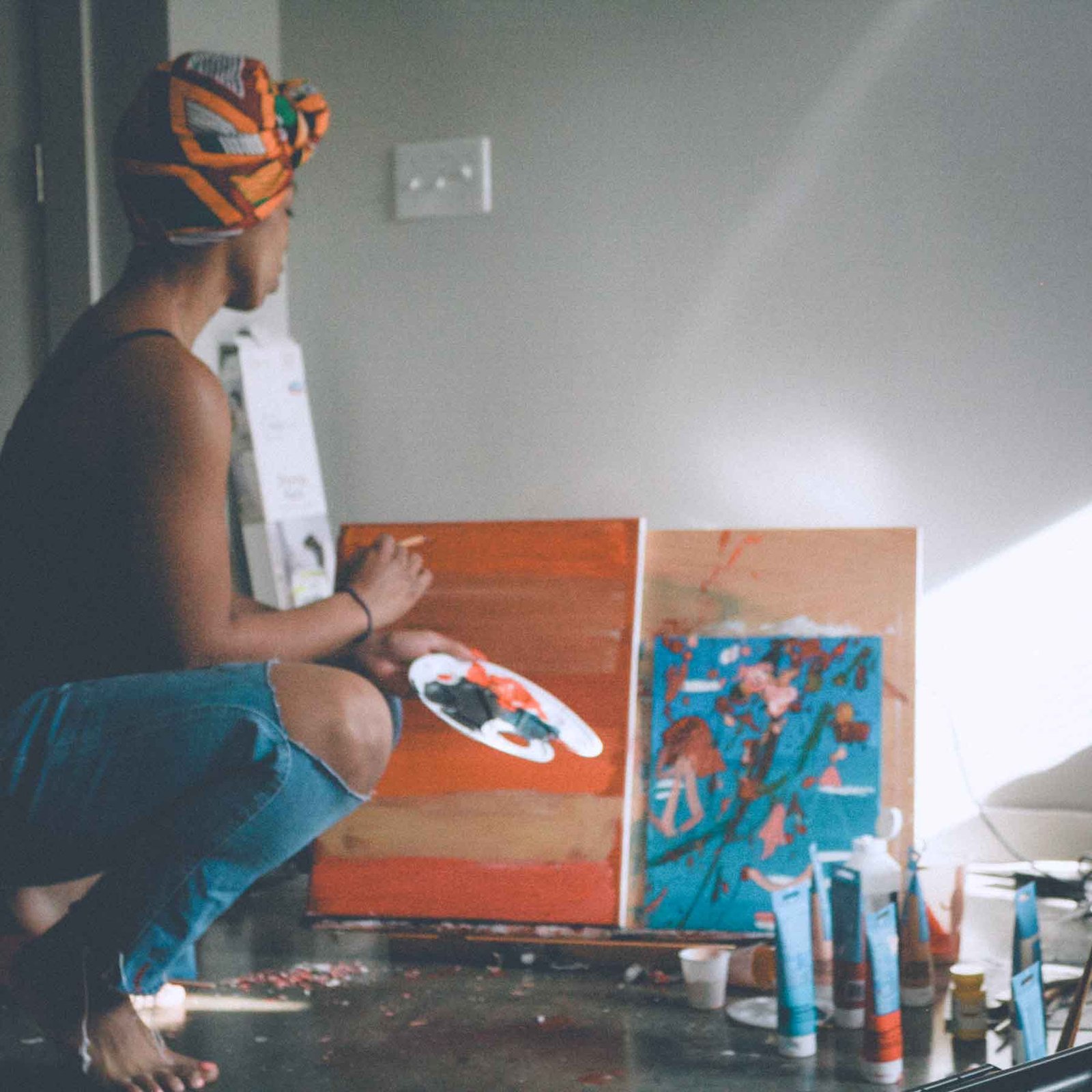
I chose abstract painting because I didn’t know how to draw and because abstraction offered a freedom I didn’t yet have in my own life. I googled “abstract painting for beginners” and started on cheap, warped canvas boards.
My first piece was a loose, imperfect nod to geometric abstraction, inspired by artists like Piet Mondrian. The paint went on unevenly. The lines wobbled. None of it mattered.
For the first time in months, I felt a flicker of hope.
Each brushstroke became an act of rebellion against numbness. Red felt like determination. Blue carried long-held sadness. Yellow surprised me—joy, appearing where I didn’t expect it.
The paintings were messy. Chaotic. Unpolished.
But somewhere in that disorder, I found myself.
When Abstract Art Becomes Therapy
Painting stopped being about results. It became about release.
Each piece felt like a confession—an emotional record of where I was that day. Abstract art gave me permission to be imperfect, to let colors clash and settle without judgment. It taught me how to take creative risks again.
Slowly, I began to dream. Wild dreams of being an accomplished painter. They felt like delusions of grandeur at the time.
I imagined my work on the walls of a New York museum. A far-off, almost laughable thought—but one that made my heart race anyway.
Standing Inside the Dream
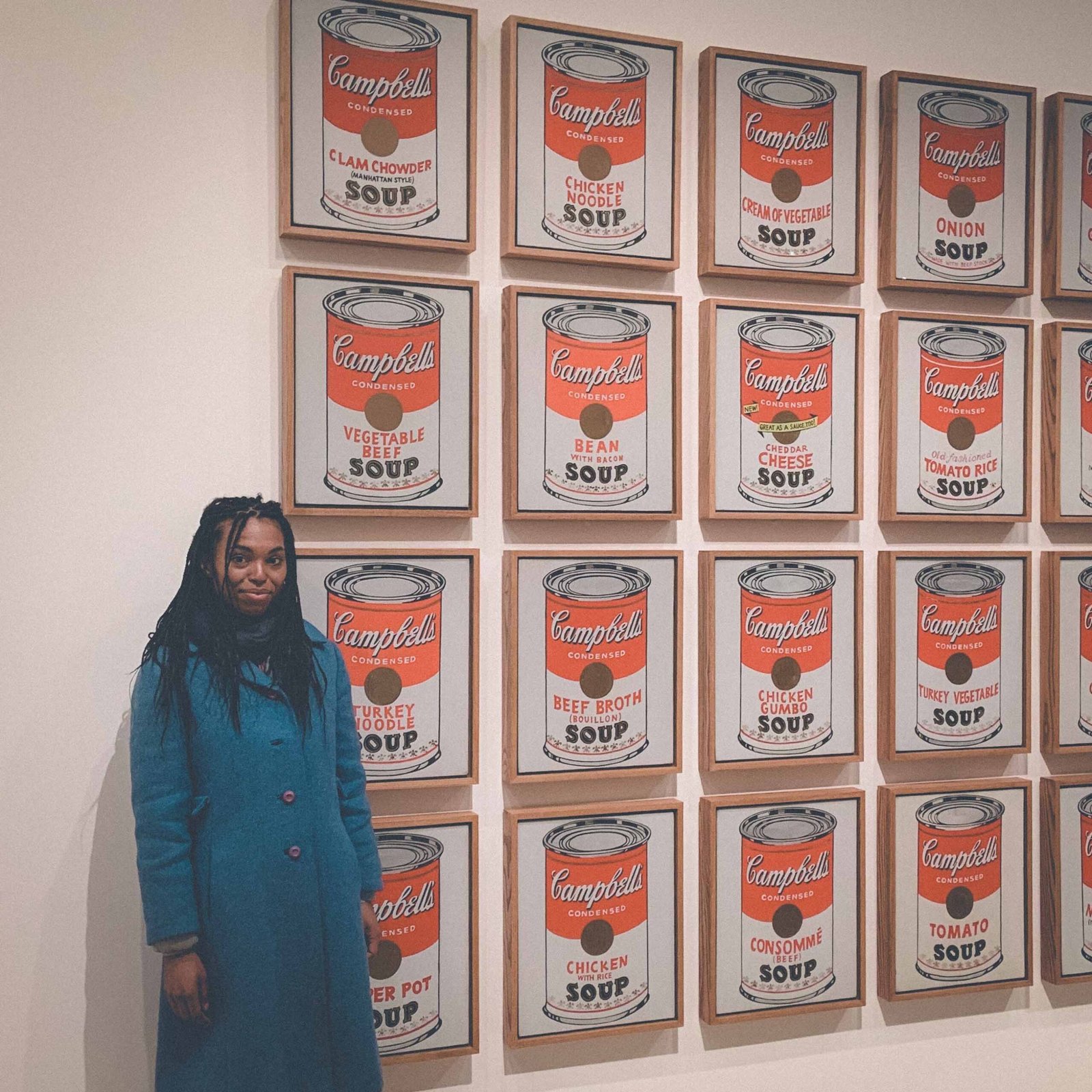
In November 2019, I took a trip to New York to visit family for the holidays. We went to Museum of Modern Art one night and it felt surreal. Marble floors gleamed underfoot. The energy was electric.
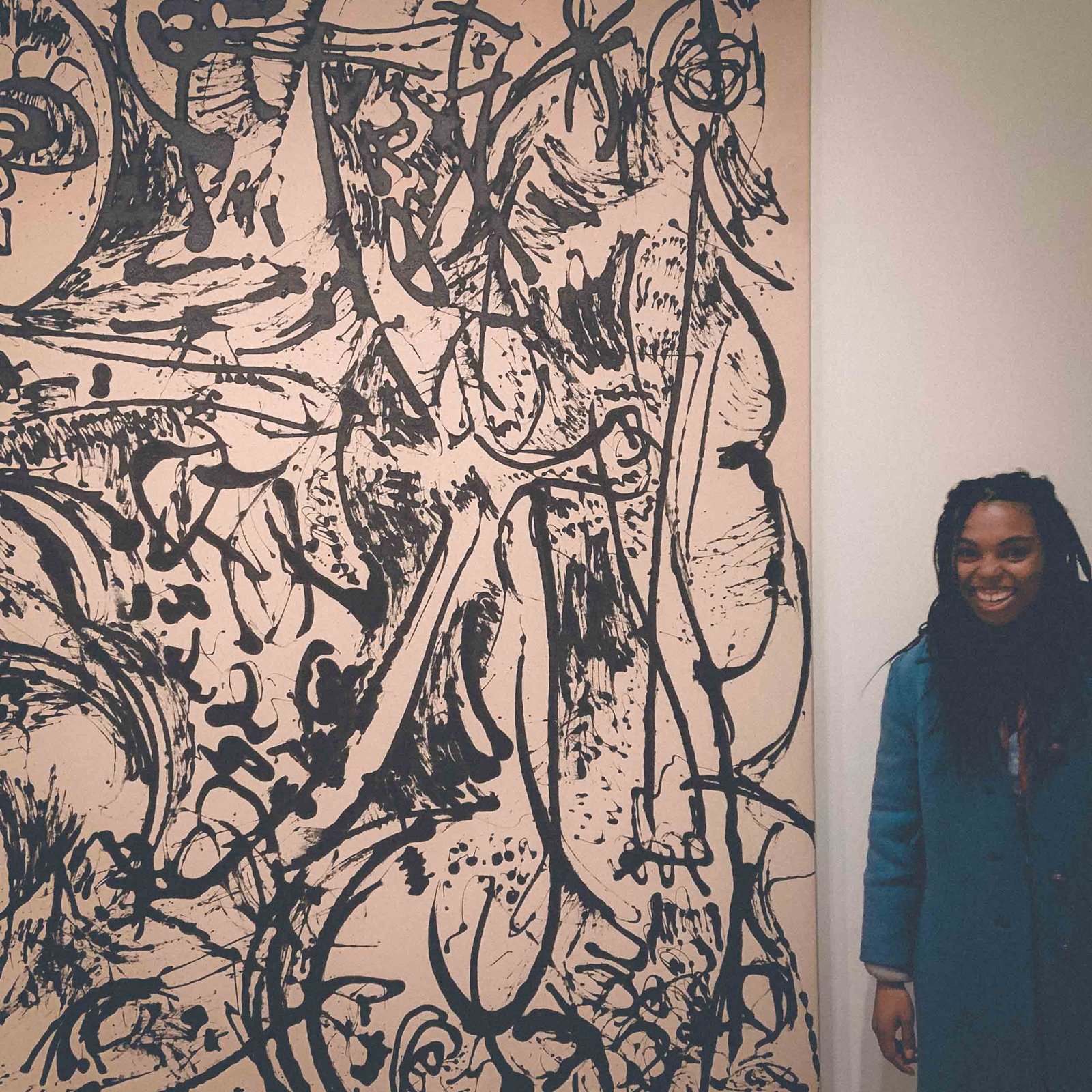
I stood in awe of works by Jackson Pollock and Willem de Kooning, feeling inspired. Seeing Vincent van Gogh’s Starry Night in person, smaller than I imagined, made something click.
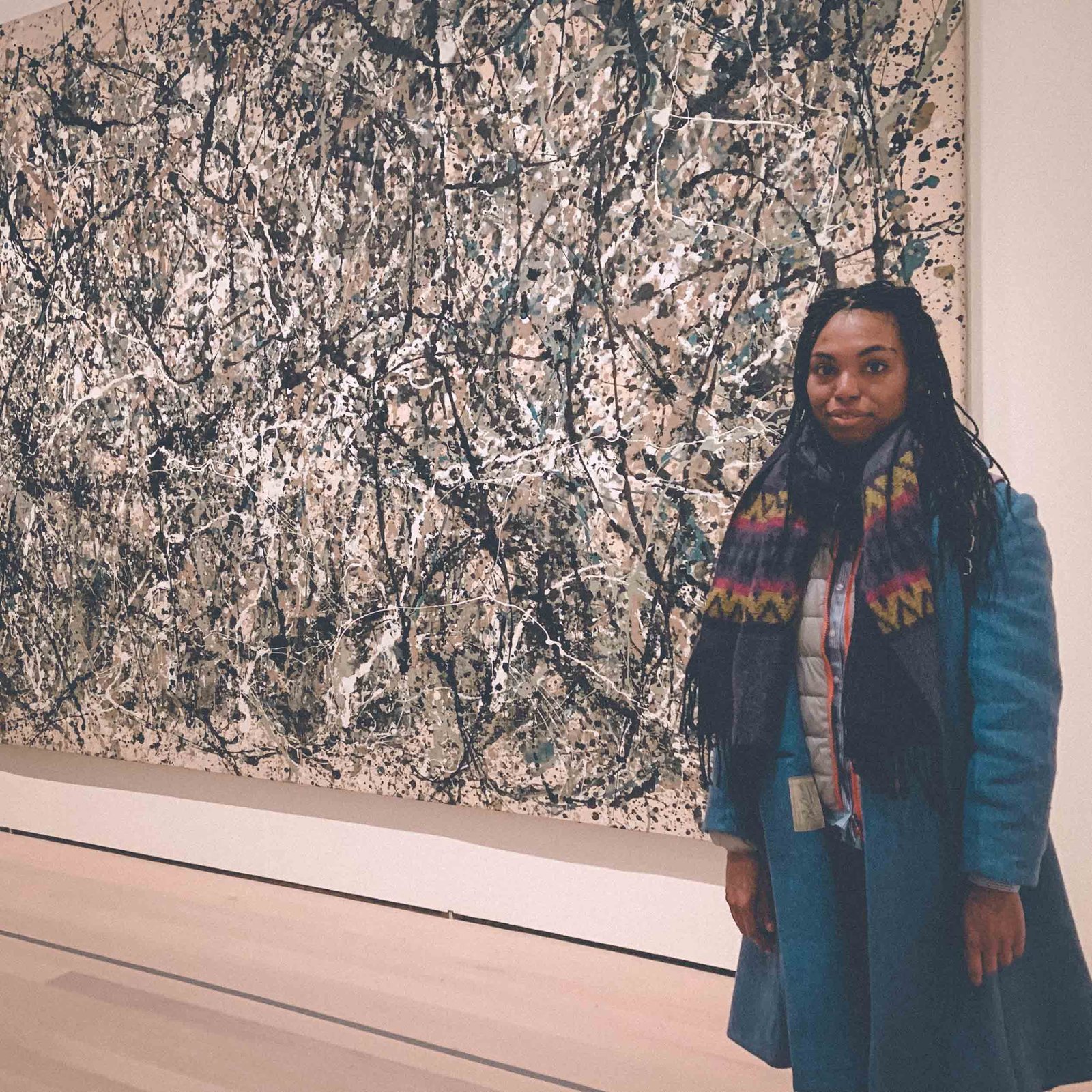
This was what I wanted to do with my life. This was my purpose.
I returned home determined to keep going.
Creative Drought & Letting Go
But art is never linear.
What once felt freeing began to feel heavy. Blank canvases became intimidating. Creative block crept in slowly and stayed for nearly a year.
Eventually, I set the brushes aside and picked up a camera.
Photography gave me immediacy. Control. Quick wins. It restored my confidence when painting felt impossible. I convinced myself that chapter of my life was over.
It wasn’t. Little did I know, photography became my way back to painting. Sometimes, detours can lead you home more than sheer will ever can.
Full Circle: Returning to Abstract Expression
In late 2023, after quitting my career as a music photographer, I felt a familiar emptiness. One weekend, I bought groceries, stayed home, and pulled my old painting supplies out of storage.
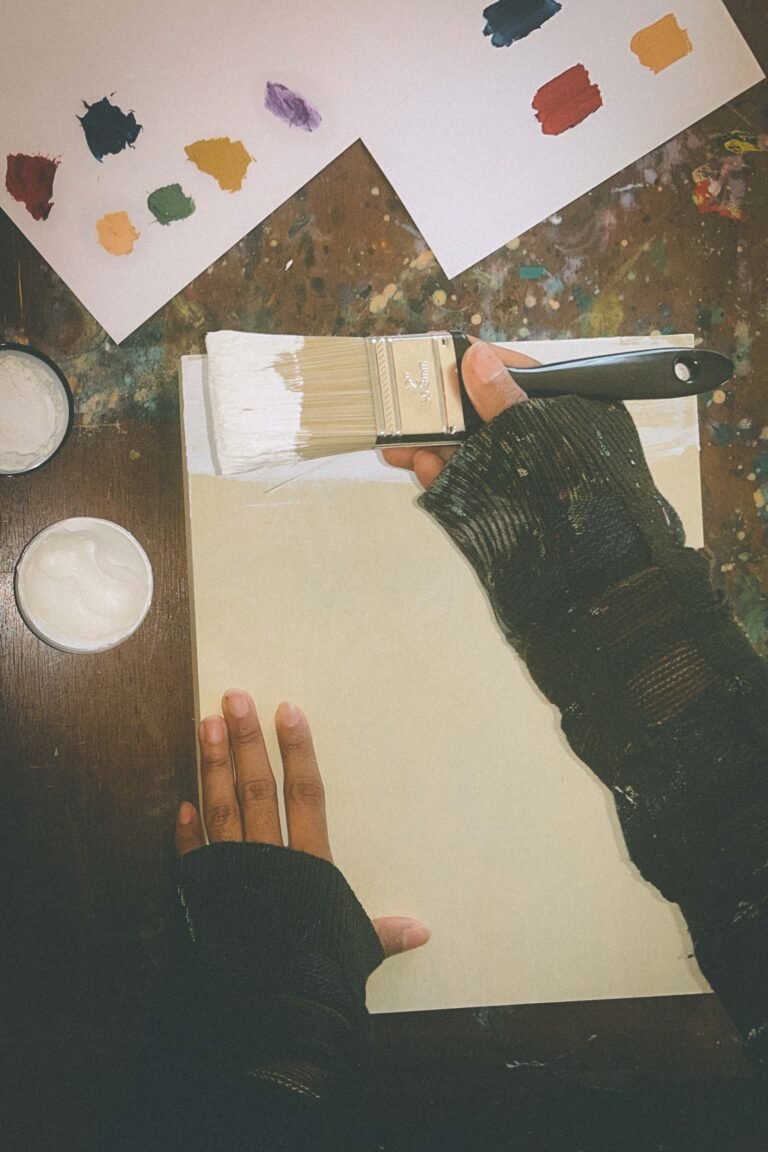
The moment oil paint seeped into watercolor paper, I felt it.
The smell. The texture. The unpredictability.
The connection returned.
One painting became eleven. Then more.
Abstract expressionism found me again—this time with more patience, more intention, and deeper self-trust.
Canvas Confessions: Painting as Self-Discovery
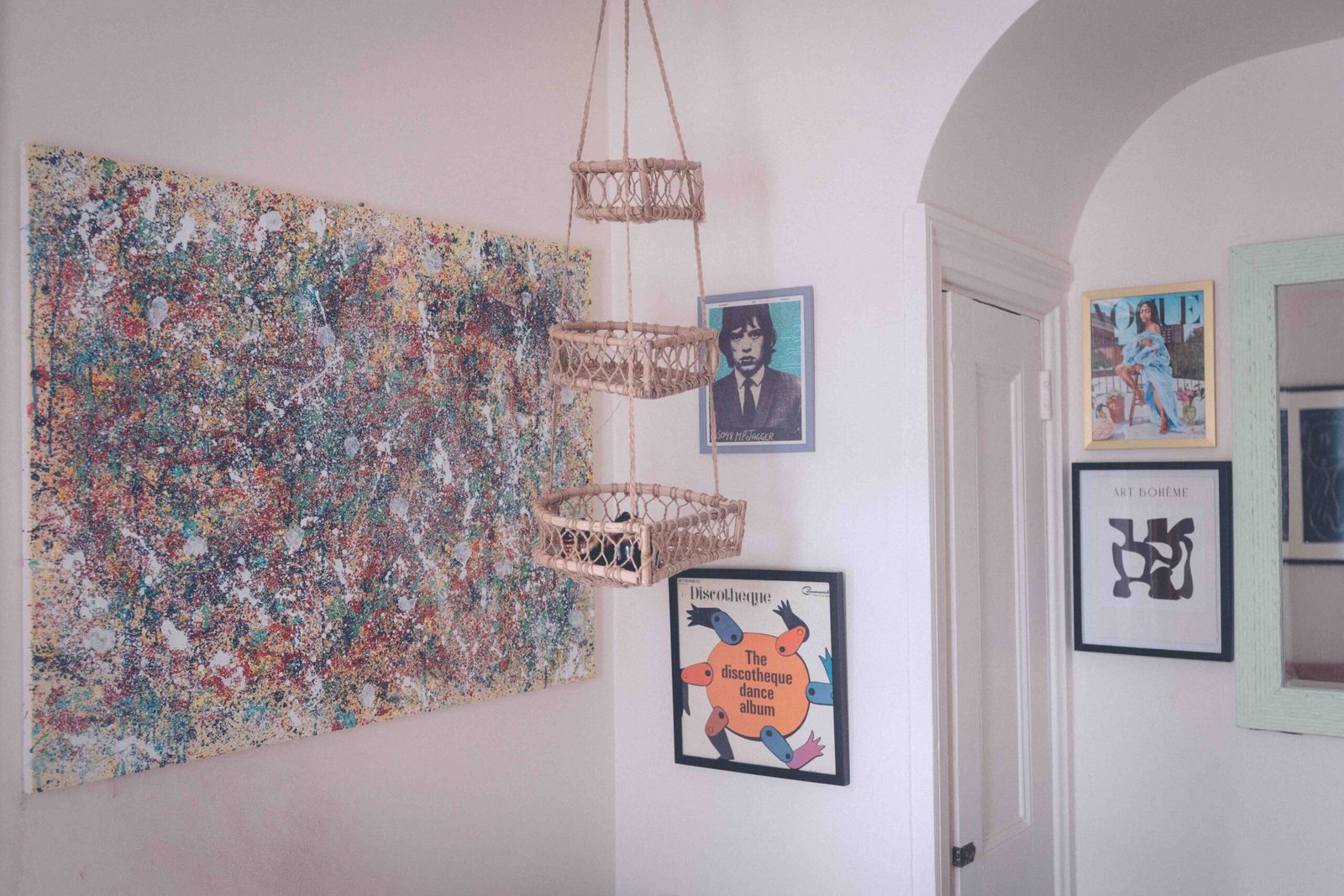
Today, my work reflects resilience. Every color choice, every layered mark, carries emotional memory. Painting has taught me how to sit with discomfort, how to begin again, how to let things be messy and still meaningful.
As a Hudson Valley abstract artist, my practice is rooted in emotional honesty rather than perfection. My paintings are not meant to explain—they’re meant to be felt.
Art has become my sanctuary. A place I return to, again and again, when life feels overwhelming.
And I know now: I was never lost. I was becoming.
🌿 Stay awhile. Join Slow Notes, my monthly letter from The Bohemian Bungalow — a quiet, creative space for art, style, and soul.