Soft Productivity: A Gentle Return To Creativity And Discipline
I chased perfection and lost my way. Now I build slower, softer, and let discipline feel beautiful again.
September ended in a hush, the sky sinking into inky indigo before 7 p.m., signaling the turn of a new season. The thrill of summer had dissolved like candy, and even with the memory of my art show still glowing, I found myself suspended in a fragile in-between — craving structure, yet soul scorched from months of relentless hustle.
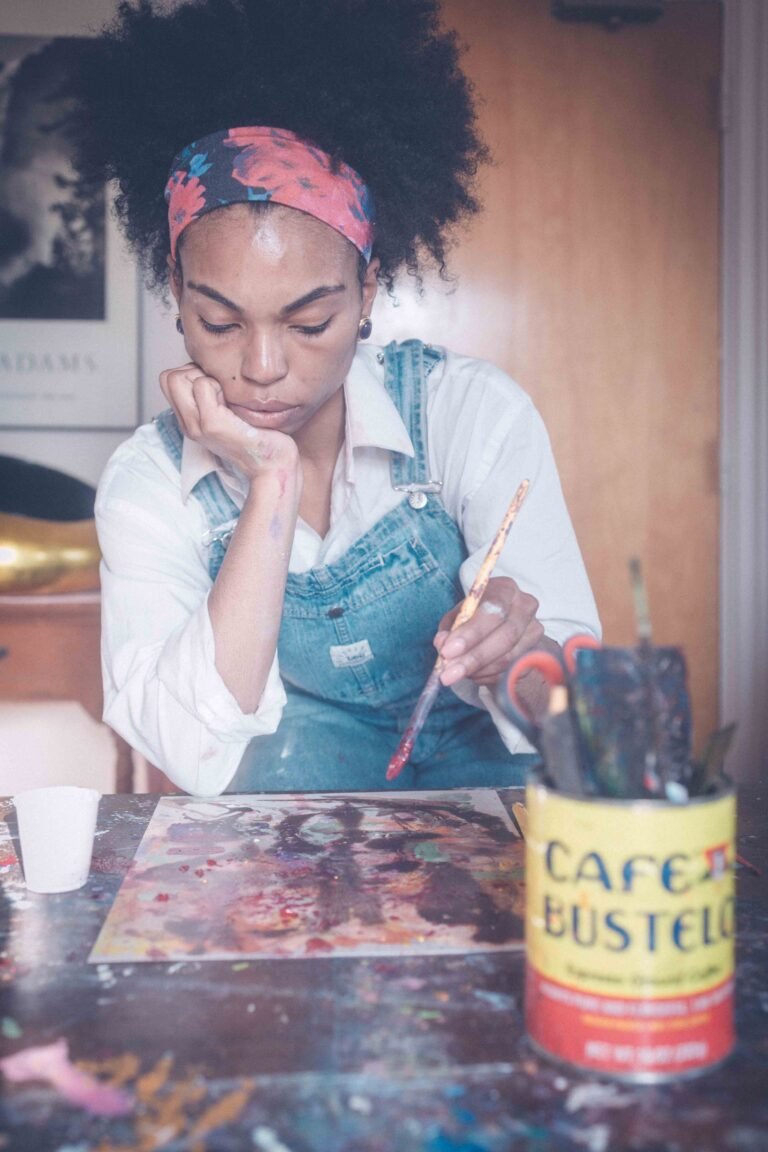
The hustle had begun in late February, just after my thirtieth birthday — a quiet reckoning that came with entering a new decade. No longer a twenty-something, I felt the weight of making meaning out of the mess called my 20s. So I decided to take action and glow up. I hit the gym, sometimes six days a week, lifting weights and eating chicken bowls on repeat. I treated my blog like a job, writing even when the words resisted me. By late April, I’d been invited to show my art — a dream finally coming to life.
By June, the results of my glow up started to show. I should have been elated, but instead I kept pushing — faster, harder — proud of the muscle I’d built and the paintings I’d made, yet restless for more.
The exhaustion crept in quietly: first sleepless nights, then days that blurred at the edges. I told myself it was momentum, that this was part of the grind. But in truth, I was running on fumes — unaware that what I truly needed wasn’t more hustle, but what I now call soft productivity: a slower, gentler way of creating that leaves room for rest.
By late July, a strange sadness sprouted while the neighborhood was alive like a song mid-chorus — full of rhythm, laughter, and everything that makes summer feel infinite. The local ice cream parlor was packed each evening, concerts filled the library lawn, and even the golden retrievers on evening walks seemed to smile. Everything around me pulsed with life, yet I felt removed — watching the world bloom from just outside the frame. It was like watching the world through a window — close enough to touch, fingertips reaching for connection, people nearer than they appeared, yet me, galaxies away. My art show opening in Peekskill was a success — a milestone that should have made the sadness melt, but it was now soul deep, more stubborn than exhaustion — a shadow that lingered even as the applause faded, refusing to leave no matter how bright the lights had been.
After the show came down, I drifted for a while — riding buses with no real destination, trying to fill the emptiness with familiar indulgences: clothes, skincare, and the fleeting comfort of anything new. But nothing seemed to land. My heart was empty, my mind fried, my eyes scanning for meaning in all the wrong places.
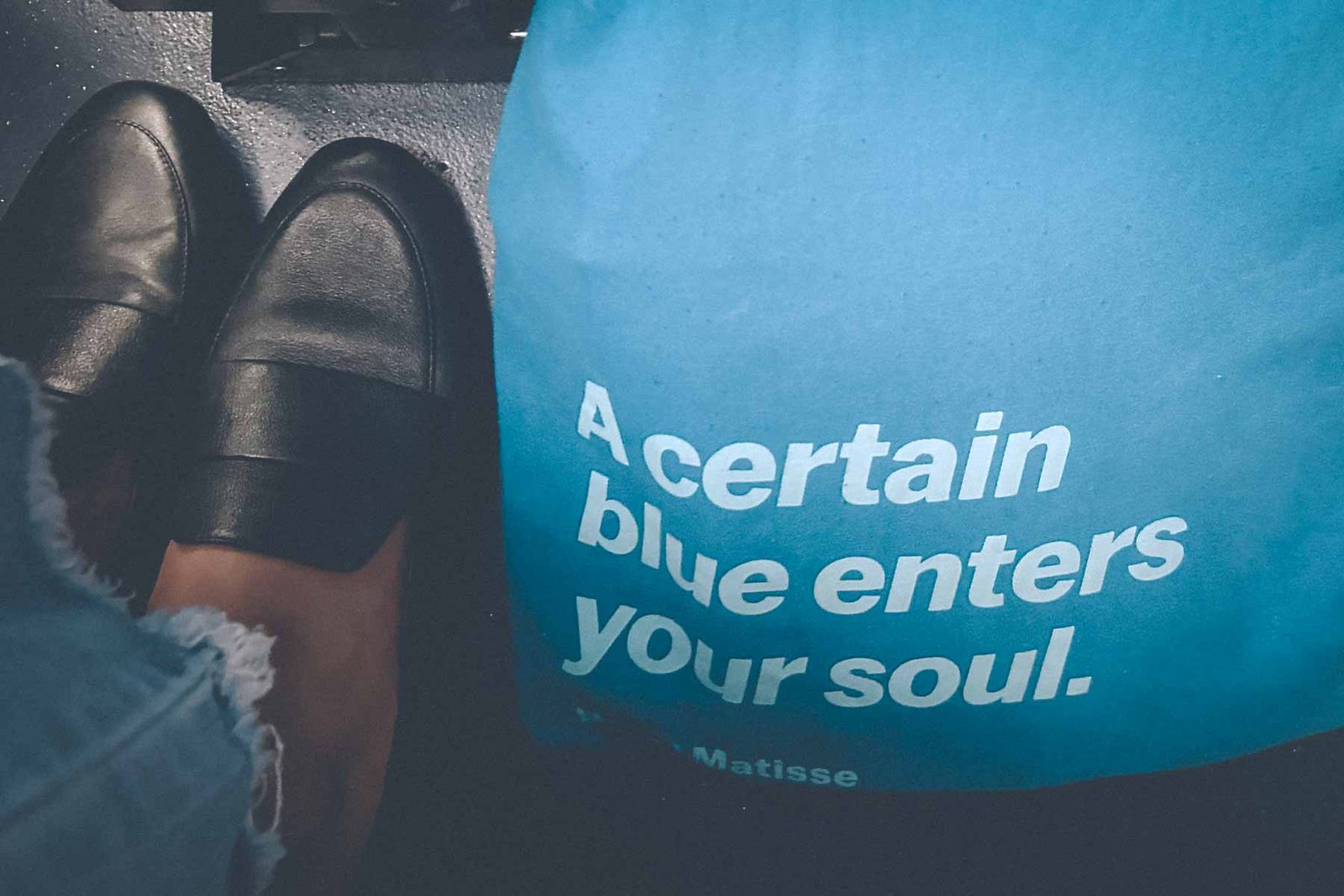
By mid-September, things took a turn — like a movie cutting to black mid-scene.
Lost signal. Silence.
When the screen flickered back on, it was technically fall, but the sun still shone and you didn’t need a jacket just yet. Life looked the same on the surface. Only I had changed. Evenings crept in sooner now — the light fading earlier each day, the sky dimming before I was ready. I noticed how the glow turned golden but distant, and how Christmas decorations were already appearing in stores — the world racing ahead while I was still trying to catch my breath.
One morning, as I was easing back into my slow living routines and gentle discipline, I watched a video from a psychiatrist who spoke about how we search for meaning in things never meant to hold it. I’d heard the idea before, but this time it landed differently. Maybe because I’d run out of distractions. Maybe because now, I was ready to listen.
I’m learning to find meaning elsewhere — in art, in my craft, in the beauty of everyday life. This is how I’m returning to creativity and discipline — differently this time. Discipline without burnout, guided by gentle consistency. A quiet return to what I now call soft productivity.
Soft Productivity: Gentle Discipline for Creative Living
These days, I’m drawn to soft productivity — working with the rhythm of my energy, not against it. A slower, more mindful approach to life and creativity that values calm over chaos, presence over pressure. It’s a form of gentle discipline — a commitment to consistency without the hustle or harsh self-judgment when I fall short.
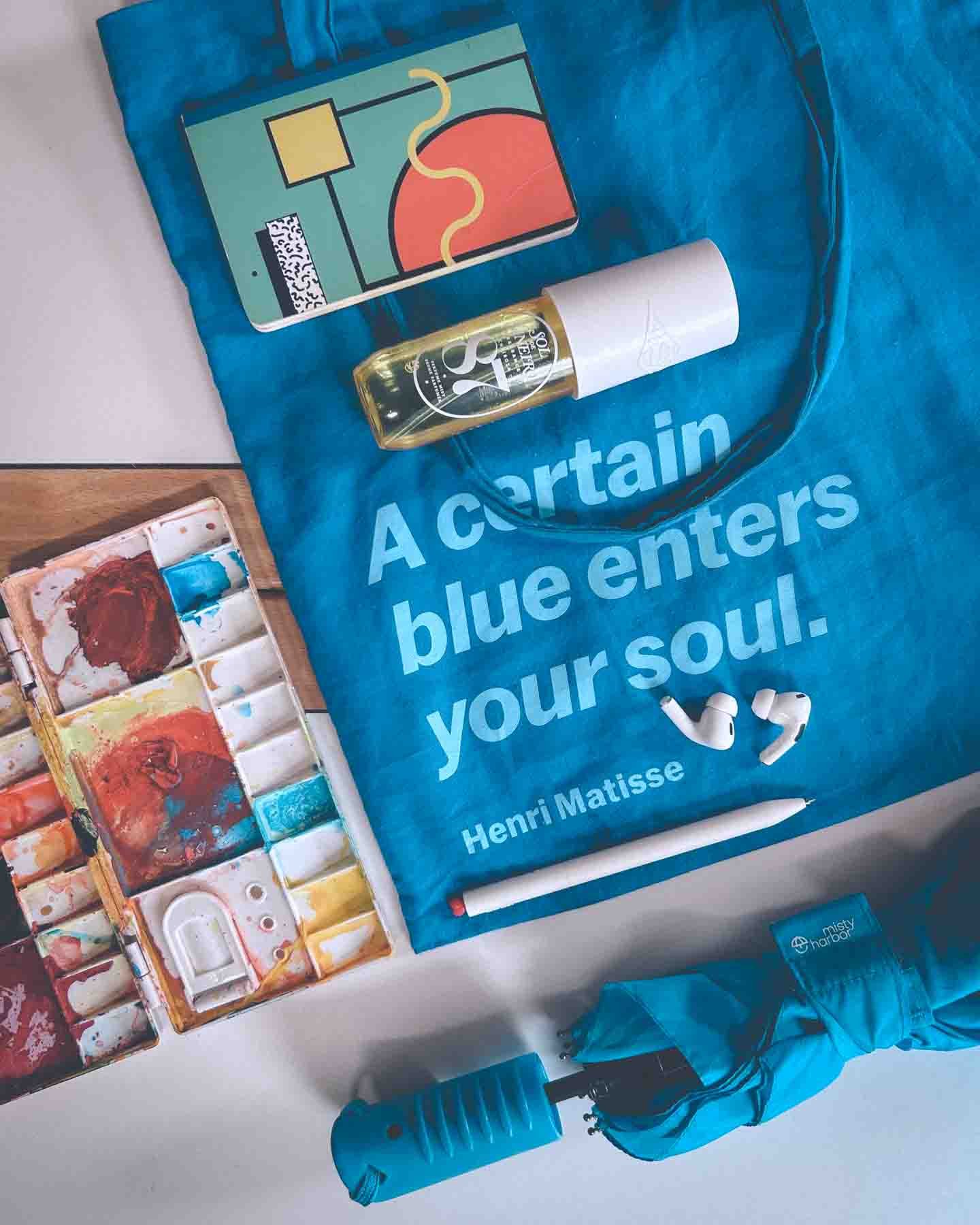
I’m learning that creative discipline isn’t about perfection or nonstop productivity. As a creative, hustle culture doesn’t work for me — the constant motion, the never-ending to-do lists, the way every achievement only fuels the need for another. It’s a cycle that drains the very spark it promises to ignite.
Soft productivity has been a welcome change because it’s still about showing up — even when I’m tired, uninspired, or unsure where to begin. The point isn’t to perform; it’s to stay present, to show up gently, even if all I manage is a paragraph or two. As a lifelong perfectionist, I know how fear can freeze me before I even start, how easy it is to let overwhelm masquerade as preparation. So I start small now, instead of chasing endless to-do lists.
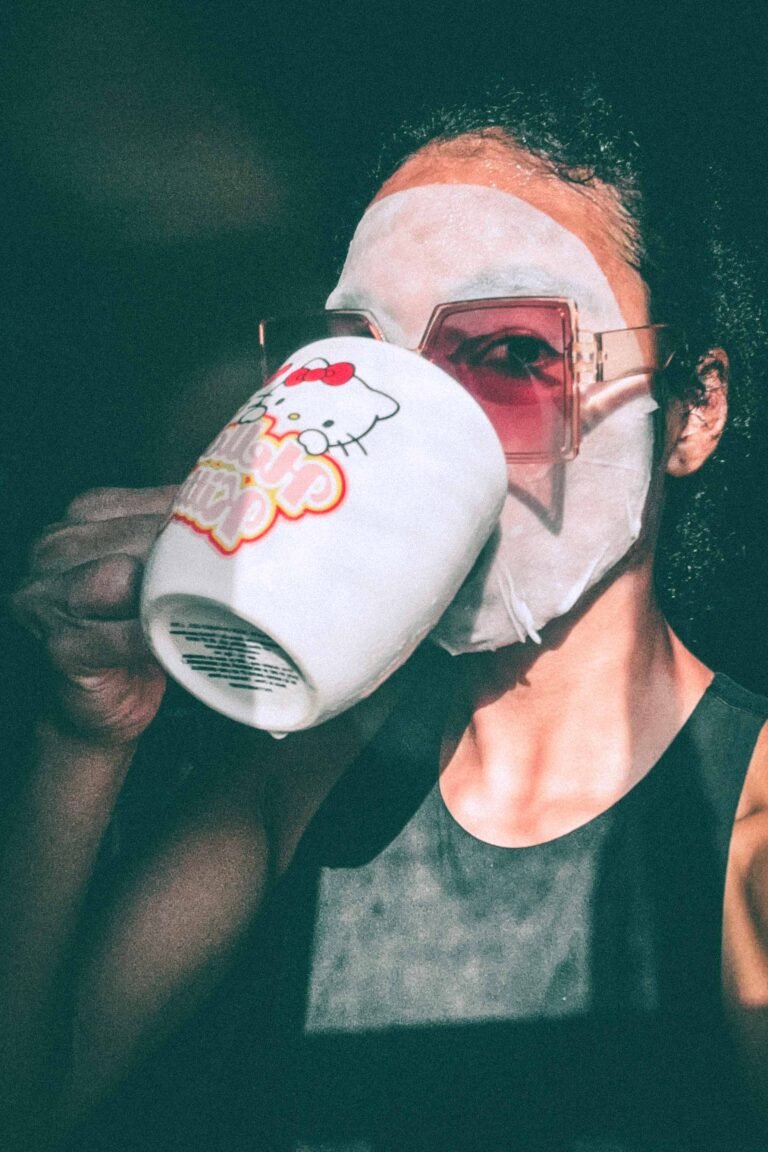
Since the mid-September crash, I’ve been relearning what discipline without burnout feels like: slow mornings with sheet masks, quiet hours of writing with coffee and oat milk, steady effort that doesn’t chase, and enough grace to pause and breathe. My apartment hums softly as I type, the fan turning lazily on one of the last warm days of the year.
The imperfect parts of life still get to me — they can make me restless, angry, even a little despairing — but I’m learning to meet those feelings with grace instead of resistance.
This is what gentle discipline looks like: showing up softly, steadily, without punishment. I’m honoring my creativity after burnout by returning to it slowly, trusting that good things grow in their own time — and that presence is its own kind of progress. Soft productivity doesn’t make everything exactly as I want it, but I’m learning patience. Patience with the constant ebbs of life. Patience with others. Patience with myself.
Getting Back to Routines: Slow Living for Creative Balance
As I come back to my life, structure has returned, but in softer shapes. Sheet masks in the morning as my body recalibrates to the rising sun, then serums after, massaged into skin that drinks them like wet grass after rain. Morning Mass, then coffee and blog time. I write to playlists I’ve curated — songs that make my fingertips dance across the keyboard to the crescendo of each song. I edit photos with slow precision, pausing for sips of coffee that anchor me.
There’s still pressure — to produce, to meet deadlines — but I’m showing up anyway. Tired and imperfect, whether the words flow or falter, whether I’m inspired or tempted to nap instead. Soft productivity has helped my creativity bloom because creative time is treated as sacred, and I’m finding gentle routines shape it into something that brings me life.
My routines create a natural rhythm for my day. Work during the day and pictures at golden hour. As the sun sets, I dim the lights so sleep can find me faster. I make dinner, then wind down with a movie. Later comes my nighttime ritual — skincare, brushing my teeth with my AirPods in, music soft against the hum of crickets outside my bathroom window. When I finally slip into bed and pull on my silk sleep mask, I feel the weight of the day lift. Another day lived, another small victory in balance.
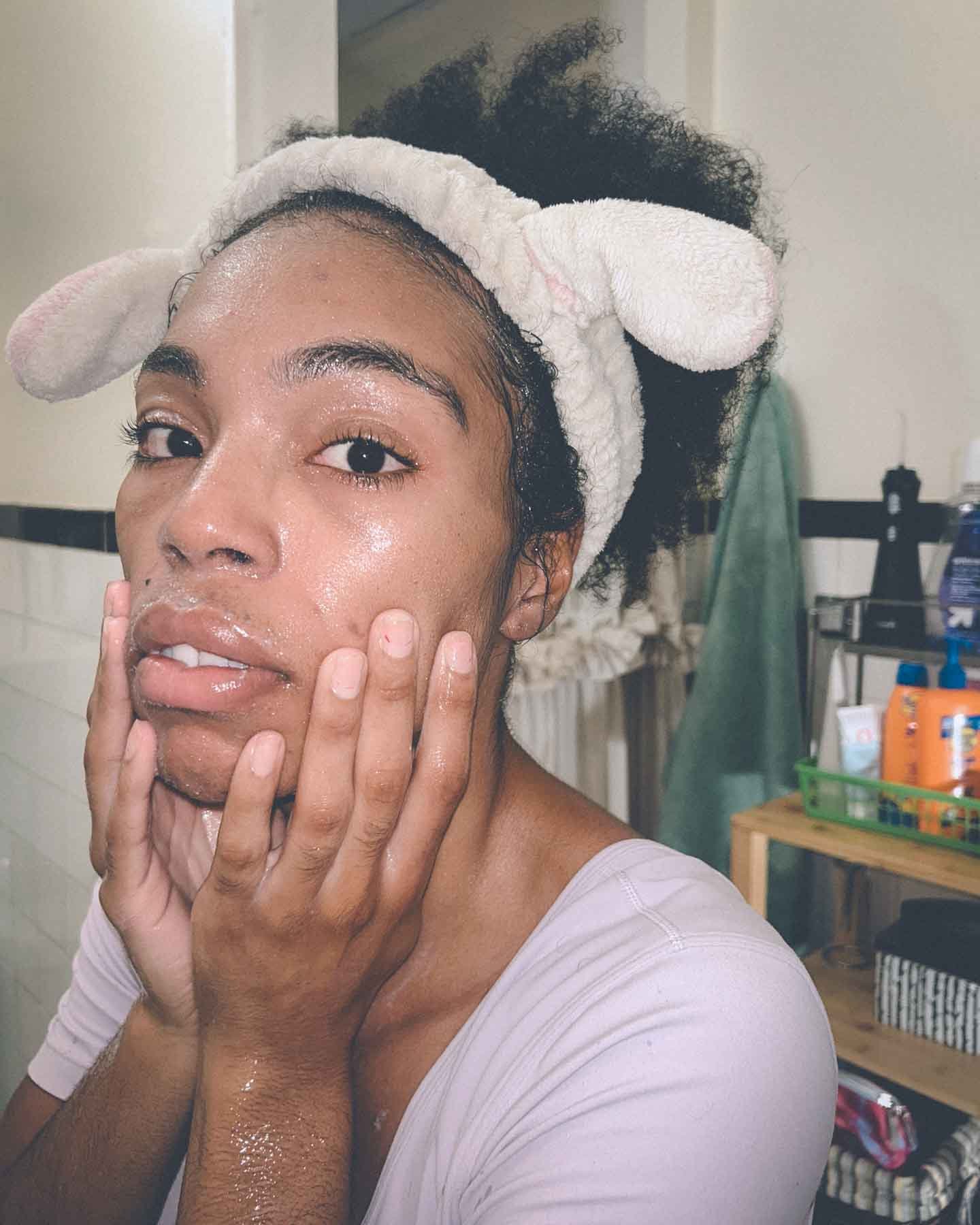
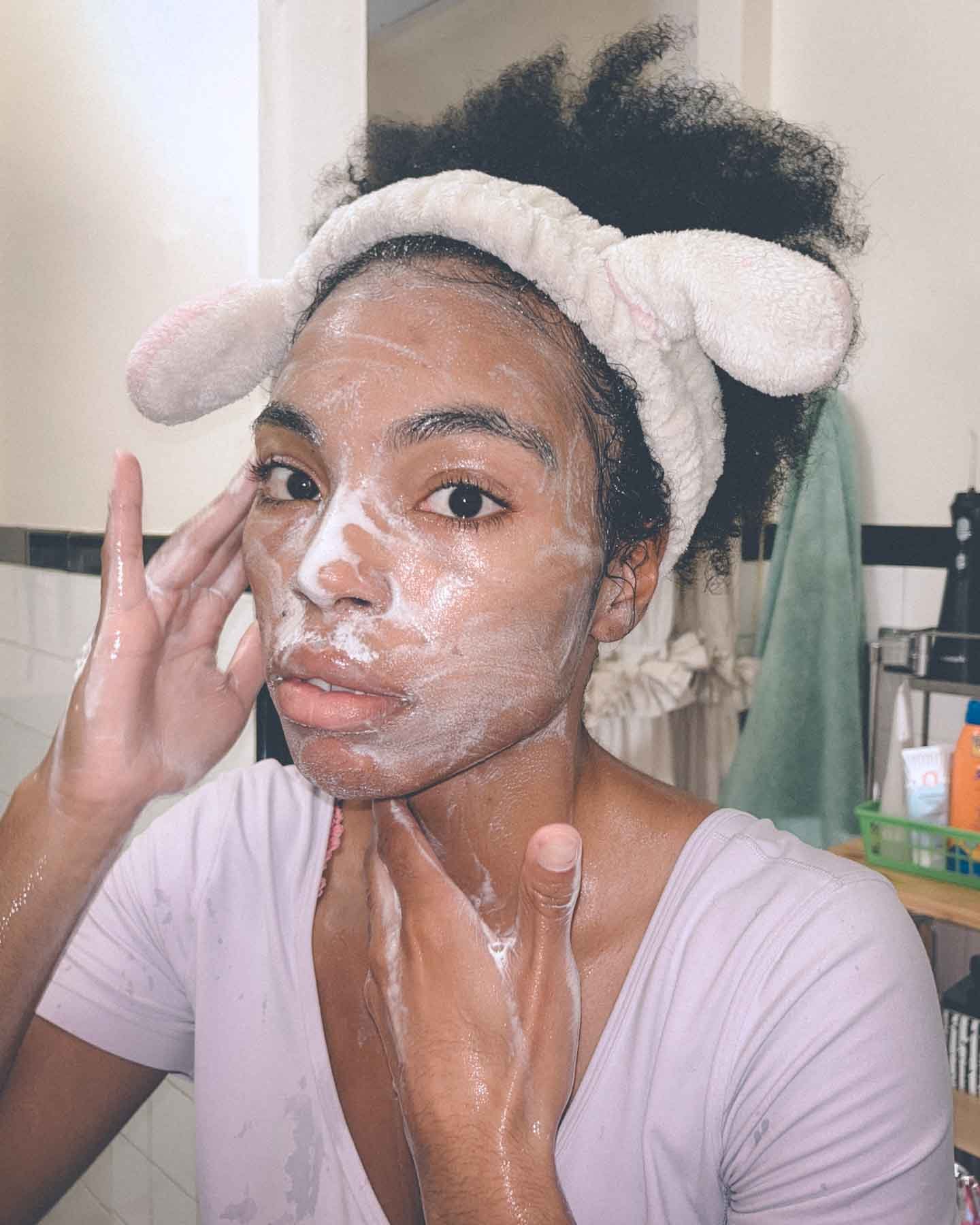
I’m trying not to hold myself to strict deadlines or punish myself when the words refuse to come. Instead, I work with my energy — catching the creative bursts that arrive after a nap or when I simply begin. Balance is everything now. Slow living routines remind me that discipline without hustle is possible.
What caused my burnout before was imbalance — the compulsion to do more, cram more, finish faster. I used to force myself through exhaustion, guilt hovering when things weren’t perfect or done immediately.
Returning to routine isn’t easy, but it’s necessary. Routines give shape to the day, and I’m realizing that even creative souls thrive with structure — not rigidly, but rhythmically. I try to keep mine — not perfectly, but faithfully.
Dressing Up Again: Bohemian Fashion as Creative Ritual
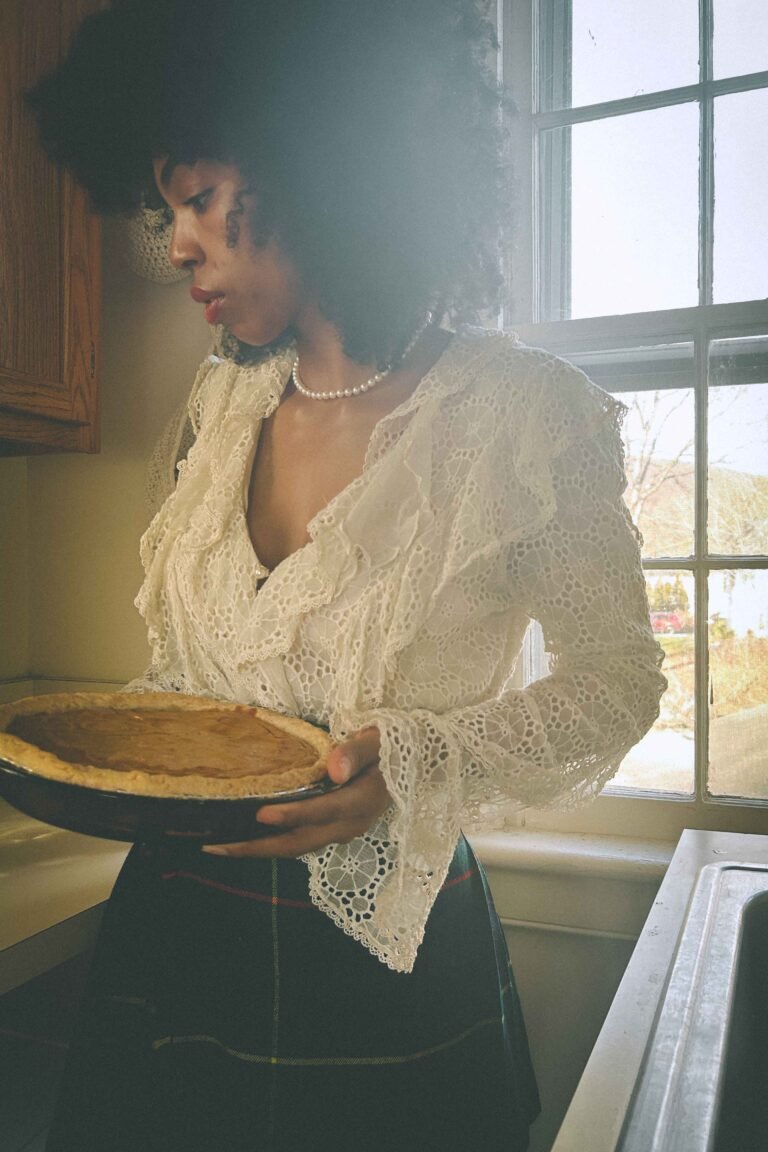
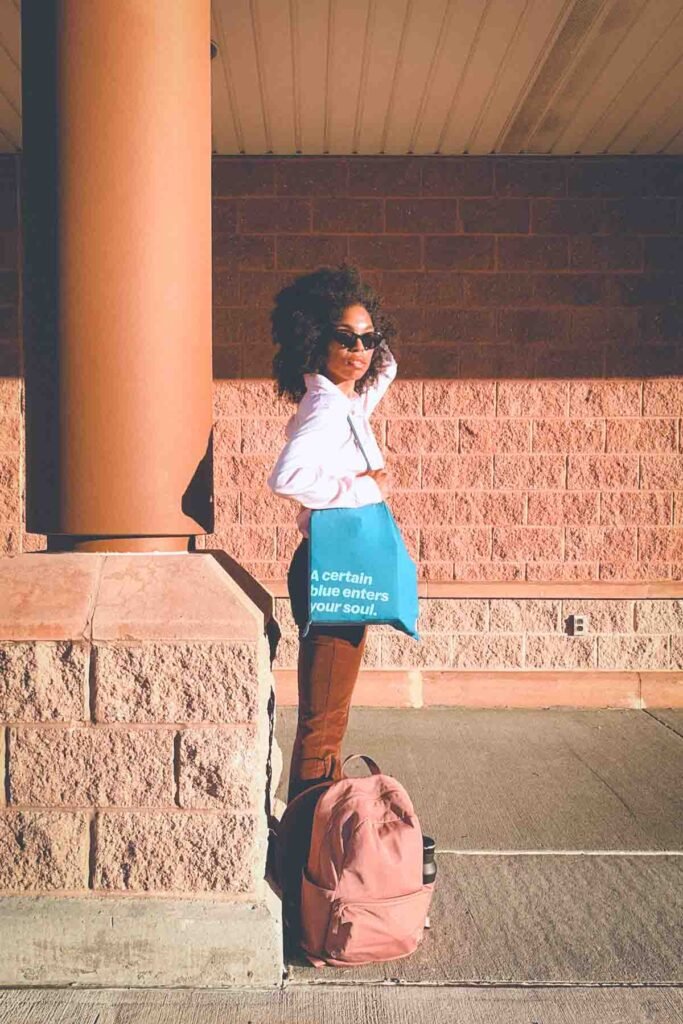
As I gently return to my life and creativity, dressing up has become an essential part of that process. Over the past few years, fashion has become my favorite form of creative expression. Getting dressed is a quiet ritual that reminds me of who I am becoming. Clothing is how I romanticize my days and how I’m rehearsing for the role in life I’m striving towards. It may seem small, even vain, but I’m learning to dress like the woman I want to be: strong and independent, soft yet fierce.
Sometimes, I catch glimpses of her in the bedroom mirror at midnight — this woman I’m becoming.
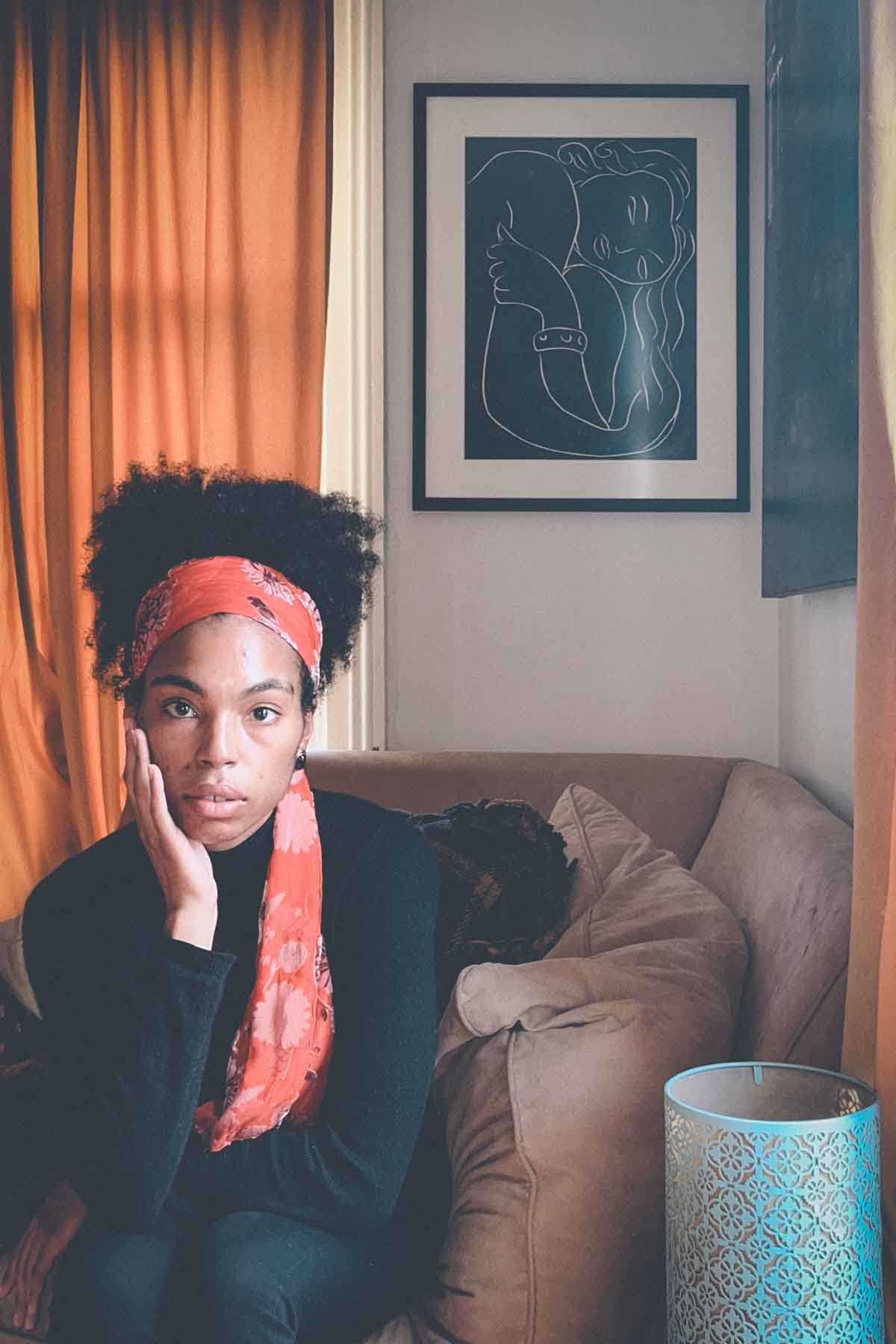
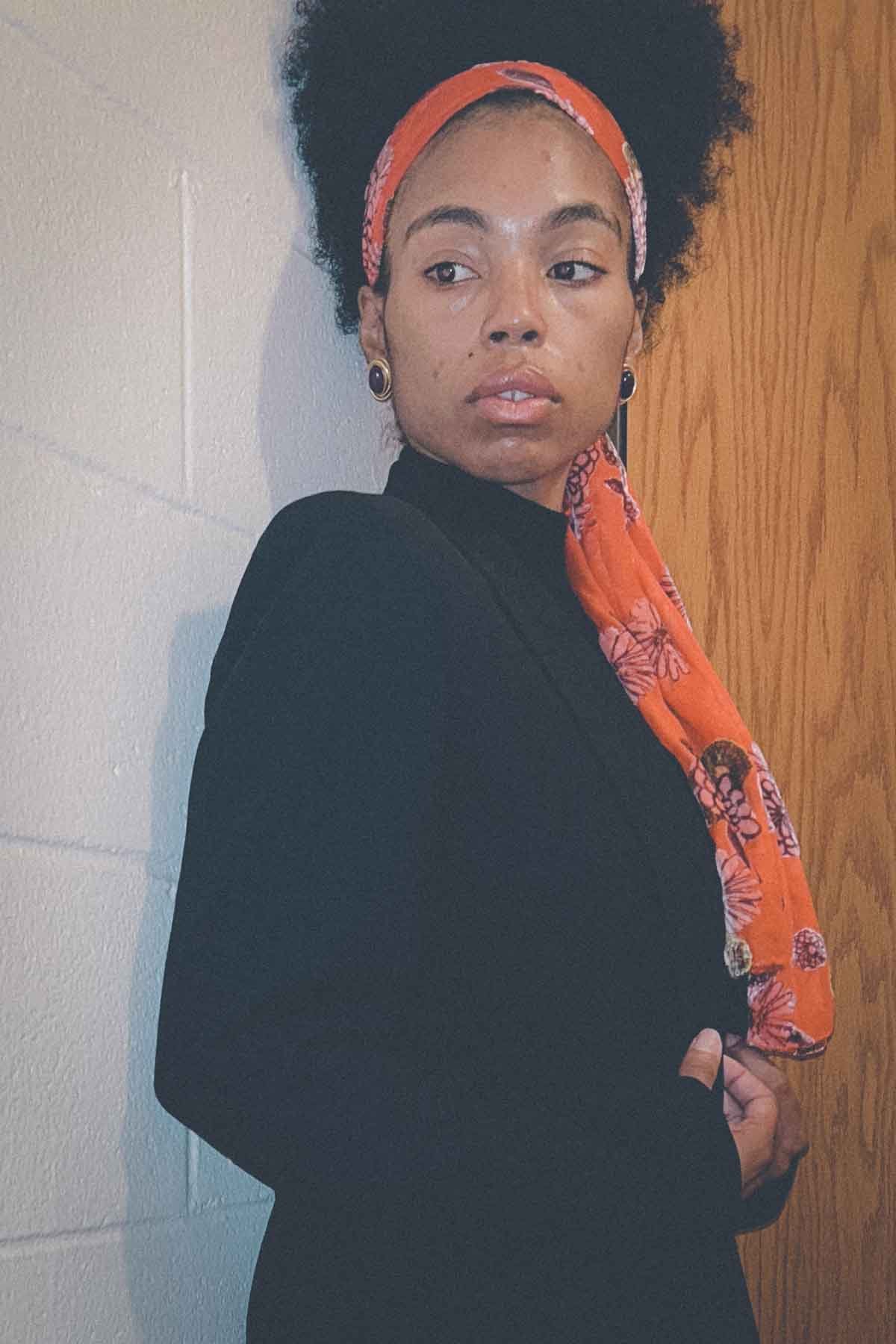
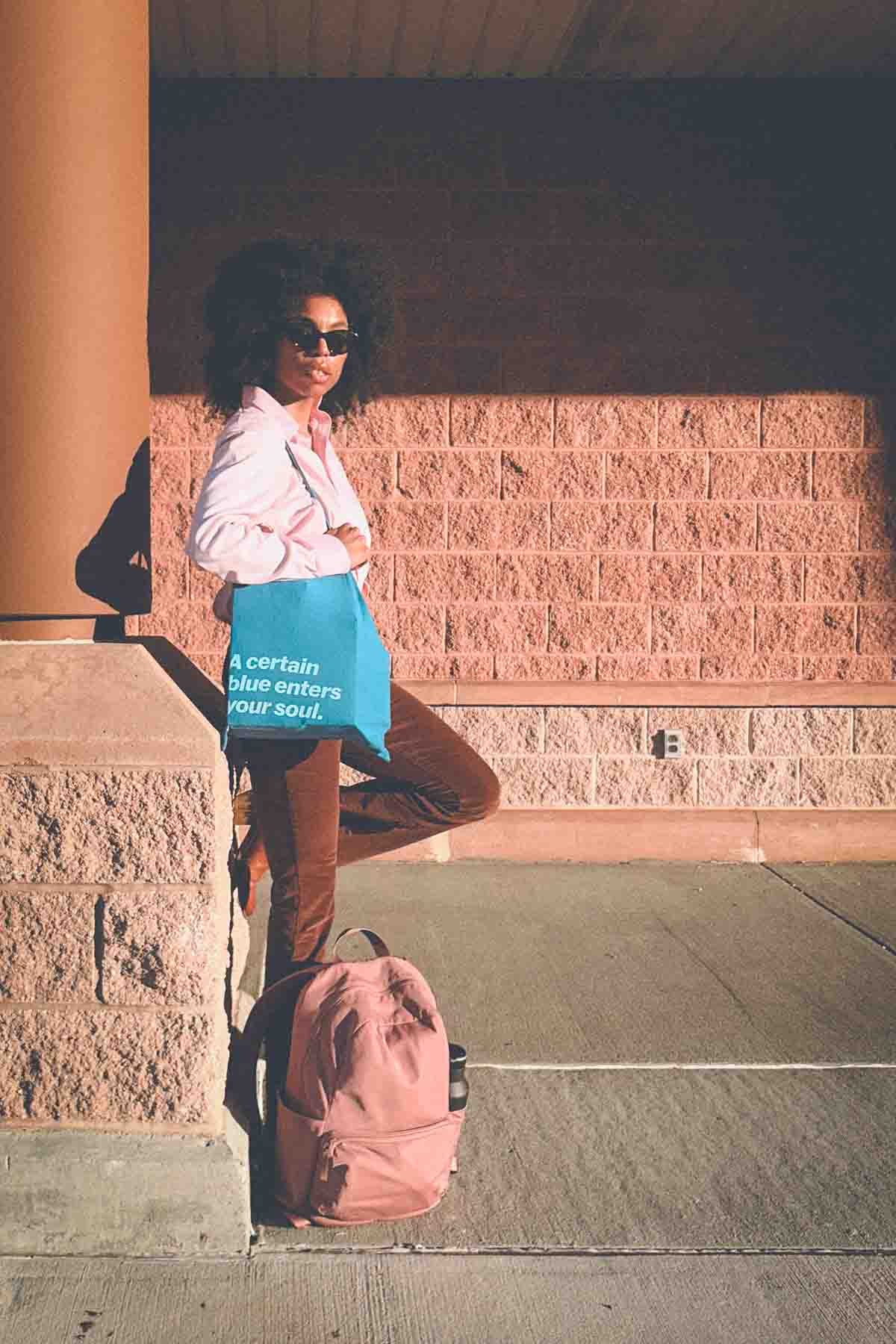
At times this woman looks like she’s stepped out of a Ralph Lauren ad in Vogue: silk blouses tucked neatly into tailored trousers, sleek knee-high leather boots, oversized blazers draped just right. Other days, it’s a striped men’s button-down with jeans and ankle boots — the kind of effortless bohemian fashion that feels entirely her own.
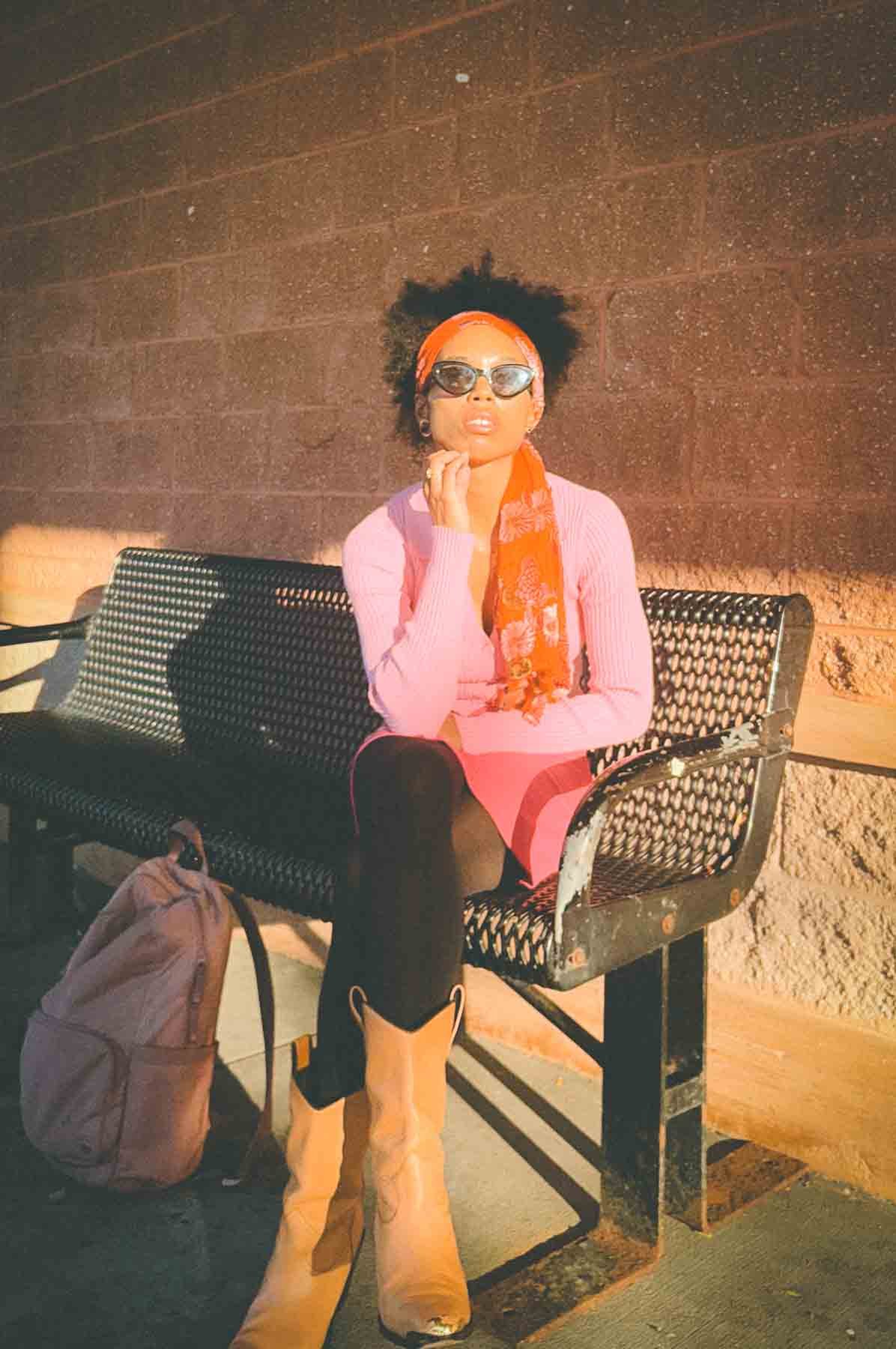
Her style doesn’t stop there — it’s eclectic, intuitive, a little unpredictable. She struts in cowboy boots and a vintage Michael Kors pencil skirt in hot pink, paired with a bubblegum-ribbed button-down with a delicate collar. She walks into church in a thrifted Diane von Furstenberg peplum dress, pearls catching the morning light. She shops for groceries in outfits that are comfortable yet elevated, as if she might meet someone important at any moment.
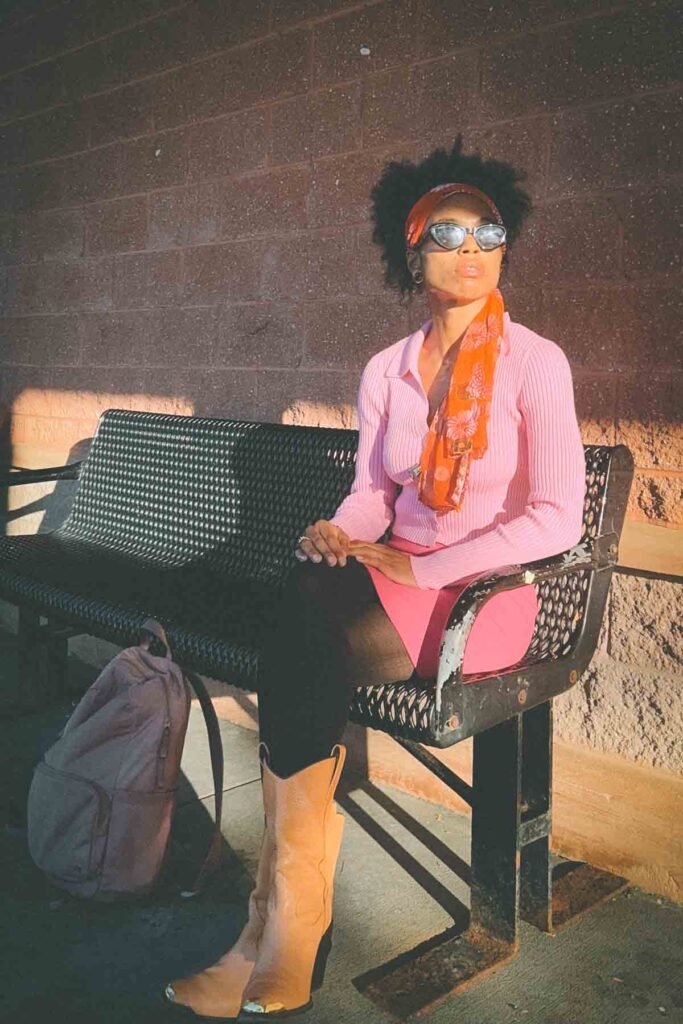
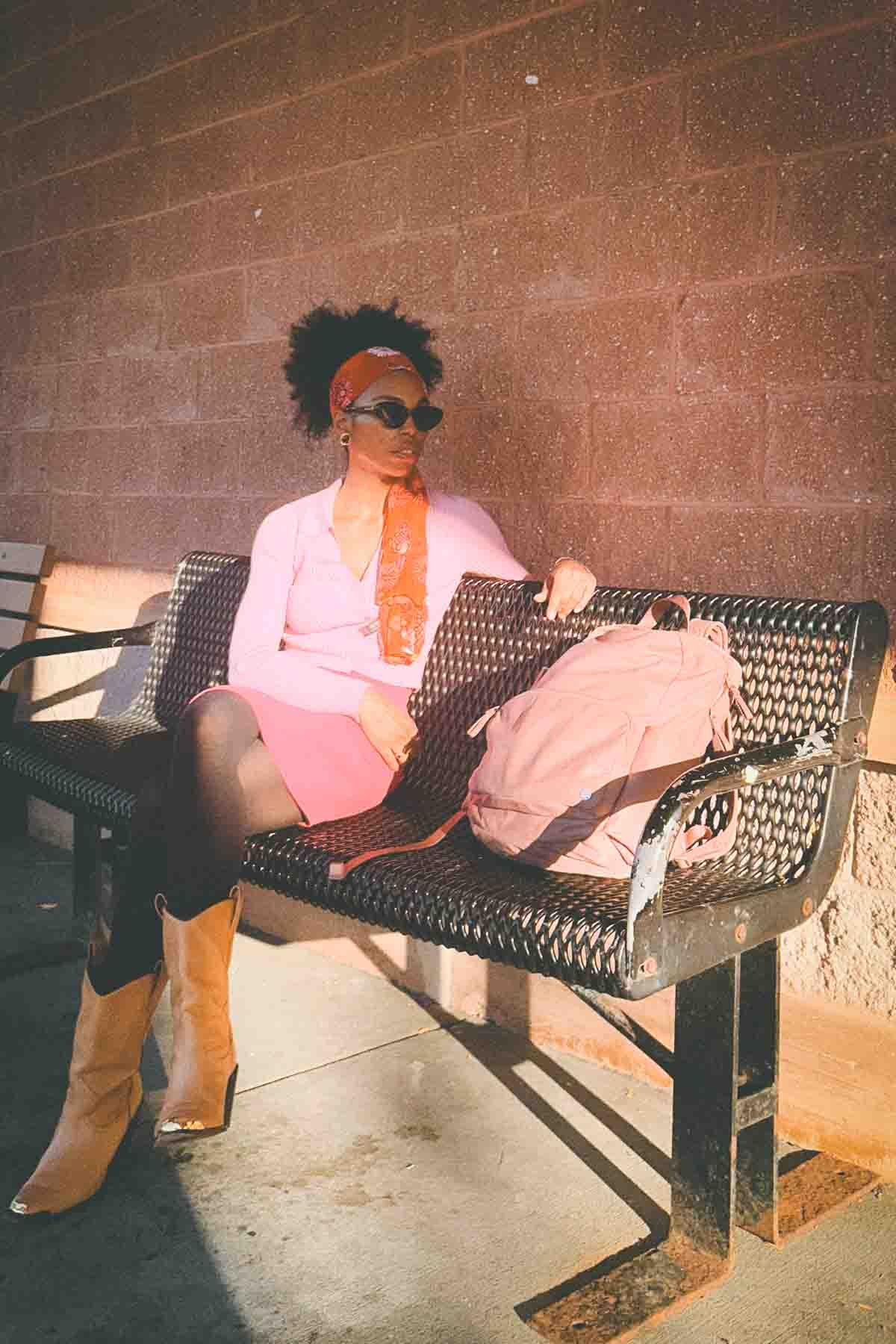
This isn’t vanity; it’s survival.
Healing through style has become part of my recovery — fashion as self-care, confidence stitched into every hem. Even on days I don’t leave the house, when work keeps me tethered to my little kitchenette table, I still get dressed. No pajamas, no worn-out sweatshirts — just intention.
It’s not always fancy. Sometimes it’s as simple as a thrifted cashmere sweater and well-loved jeans. I sit with a cranberry muffin and coffee, laptop open, my outfit wrapping around me like a soft hug as I search for the words I want to say.I find myself healing in silk and suede, in outfits that foster courage even when my voice shakes. Each look I create is proof that I’ve survived heartbreak, burnout, and the slow rebuilding that follows.
My wardrobe is my wonderland — a bohemian closet full of color and texture where I can become anyone, even if only for a few hours. The fabrics hold stories, the perfume that lingers on sweaters carries memory, and each piece feels like my heart on a sleeve.
Afternoon Naps: Rest as Part of the Creative Process
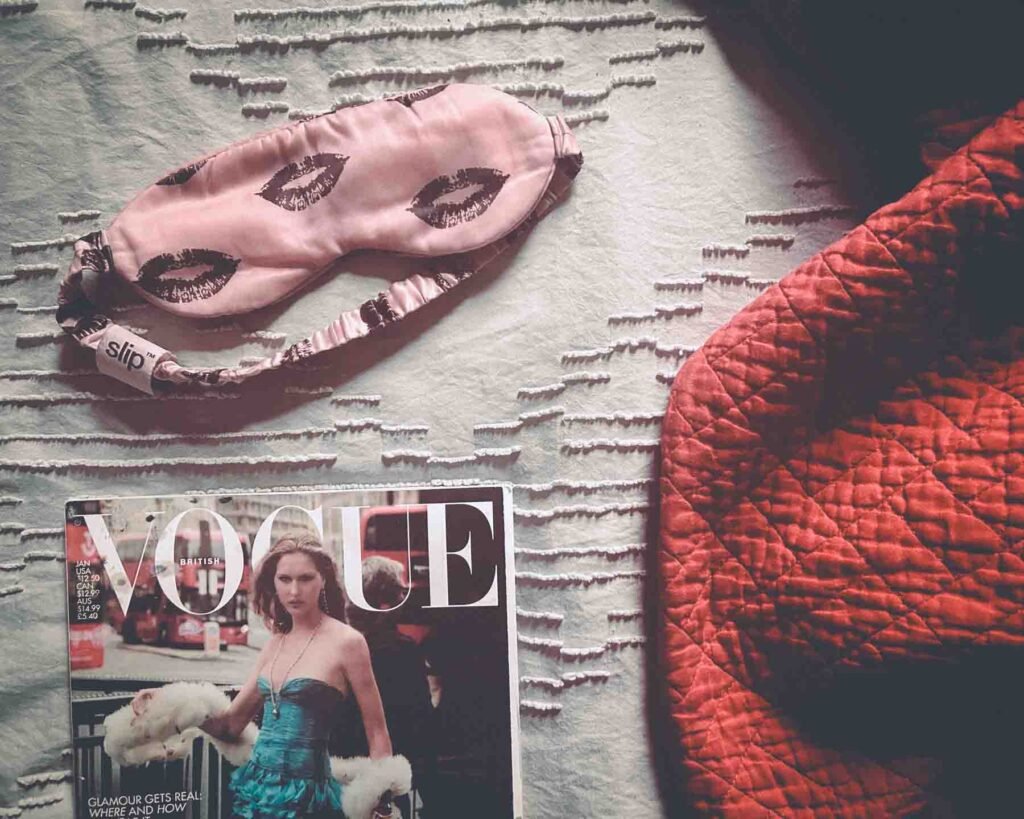
Lately, I’ve started taking naps at noon — something I once resisted. I used to power through my days, convinced that slowing down meant falling behind. Even lunch was optional, and exhaustion always seemed inevitable — the price of ambition, I thought. With soft productivity, naps have become a part of the process. My energy levels are unpredictable so naps have been a godsend when fatigue strikes before noon.
Now, when my energy dips late in the morning, I nap. Naps no longer feel indulgent or lazy — they feel medicinal, a quiet form of creative rest. I wake up clear-headed, endorphins rising, ideas rushing in faster than I can catch them. I’ve realized that slowing down actually helps me create more — that naps can actually be a part of the process, not a break from it.
There’s something sacred about those still hours at noon — the faint creaking from the upstairs neighbor, the soft light spilling through the curtains, the neighborhood just beyond the window still moving while I pause. I slip into bed and drift off, the noise of the world fading like watercolor. When I wake, I feel restored — as if my creativity has been quietly charging in the background.
I’m learning that slow living routines like this don’t take time away from my work — they give time back to it. Rest has become its own kind of soft productivity: unhurried, essential, and just what I need.
Coffee Shops and Soft Productivity: Finding Focus Through Slow Living
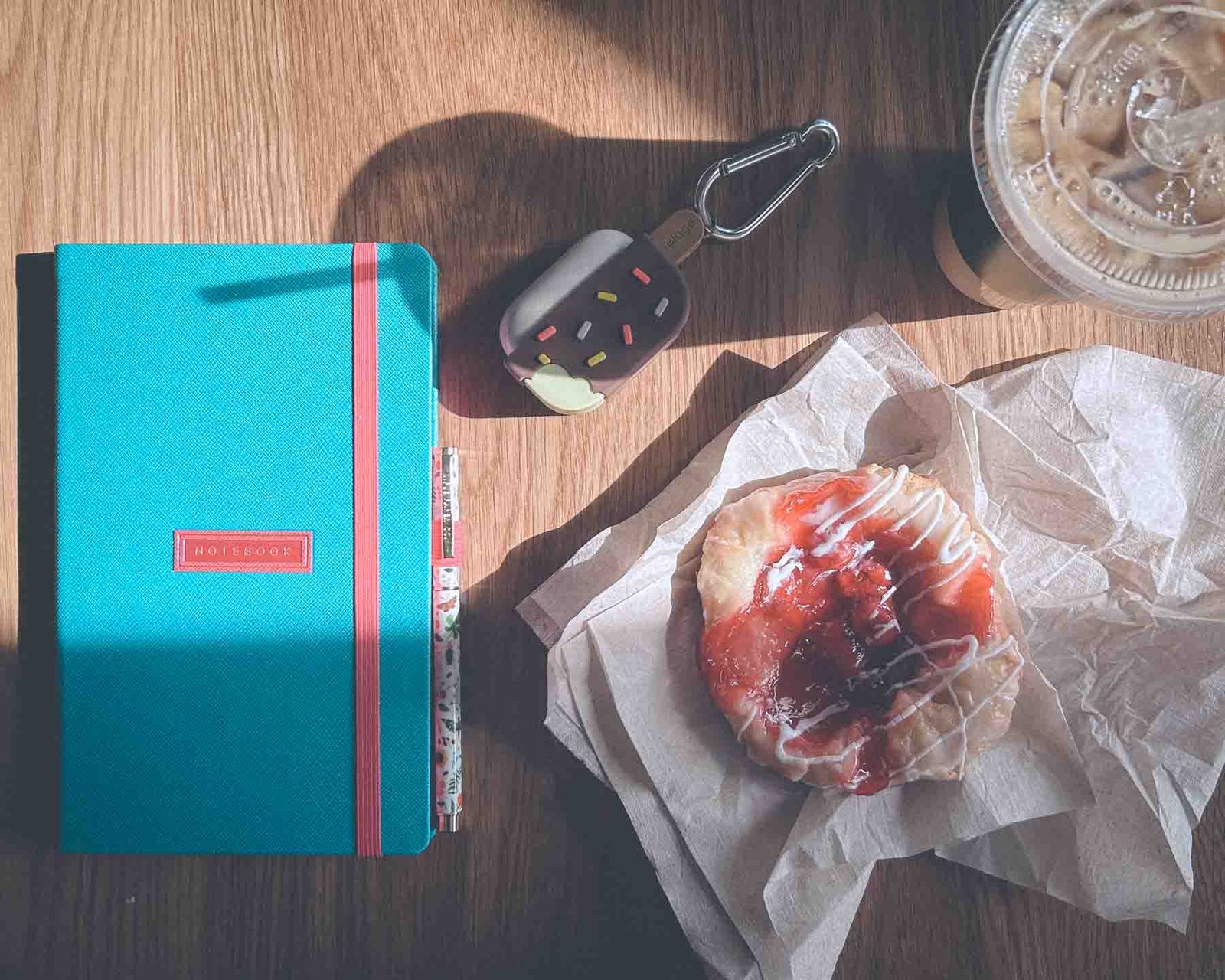
I’ve learned that I need to get outside and be around people; too much time cooped up in my apartment makes me anxious. One of the most productive rituals I can do — for both my mind and my creativity — is get dressed and go to a coffee shop. There’s something about being surrounded by movement, conversation, and the steady grind of the espresso machine that pulls me into focus. This is also soft productivity — working with the world instead of against it.
When I lived in Asheville, North Carolina, I spent my days writing in quirky, independent cafés tucked into the small mountain city — people-watching and waiting for words to come like steam from a fresh cup: slowly, naturally, when the timing was right. I loved the hum of conversation, the hiss of milk frothing, the clatter of mugs — small symphonies of ordinary life that made me feel less alone.
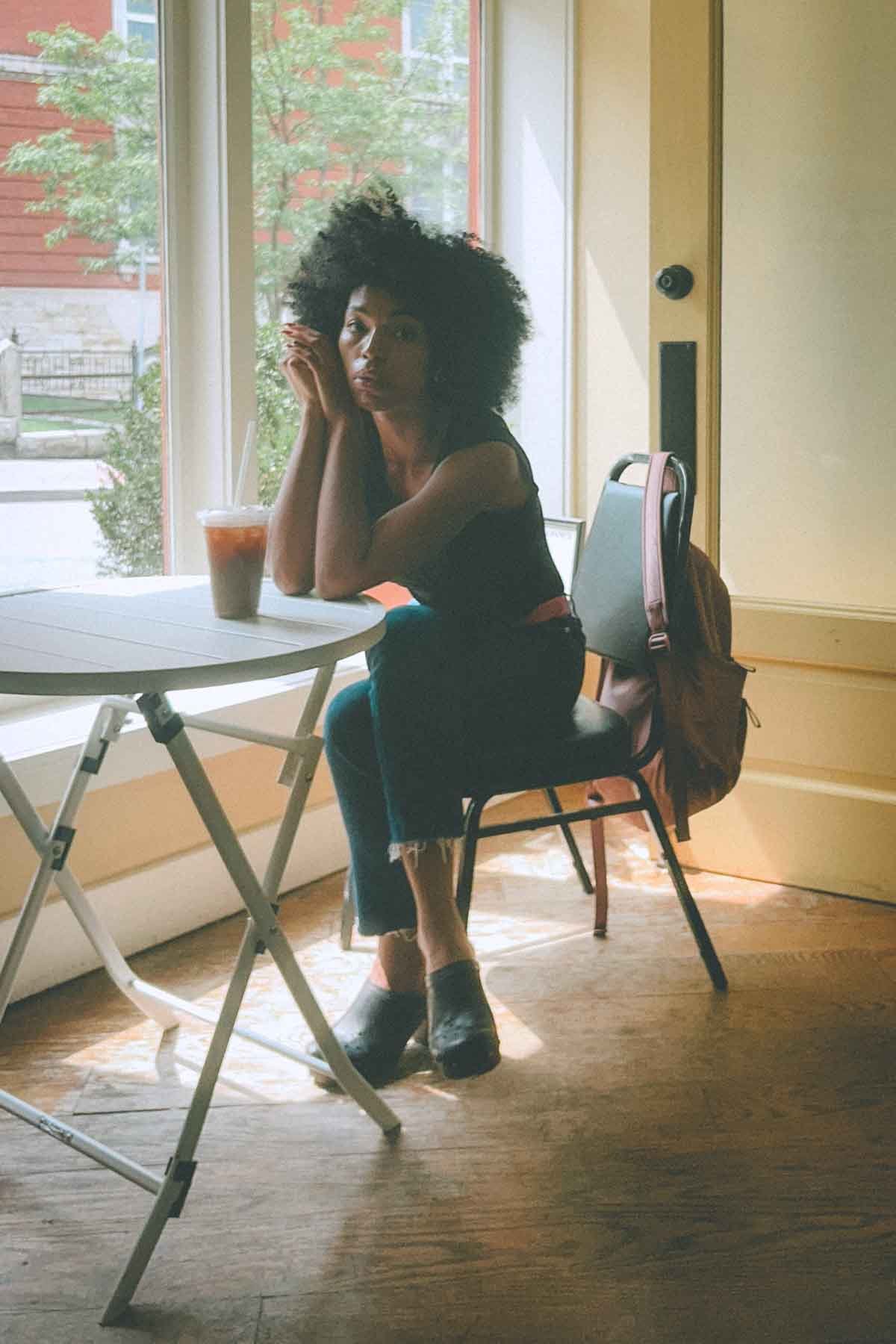
Now that I live in the suburbs of New York, I’m finding a new rhythm again — and coffee shops have become part of it. Since the aftermath of my creative burnout, I’ve been gently pushing myself to return to these spaces. I sit by the window, afternoon light spilling across the table as if inviting me to begin.
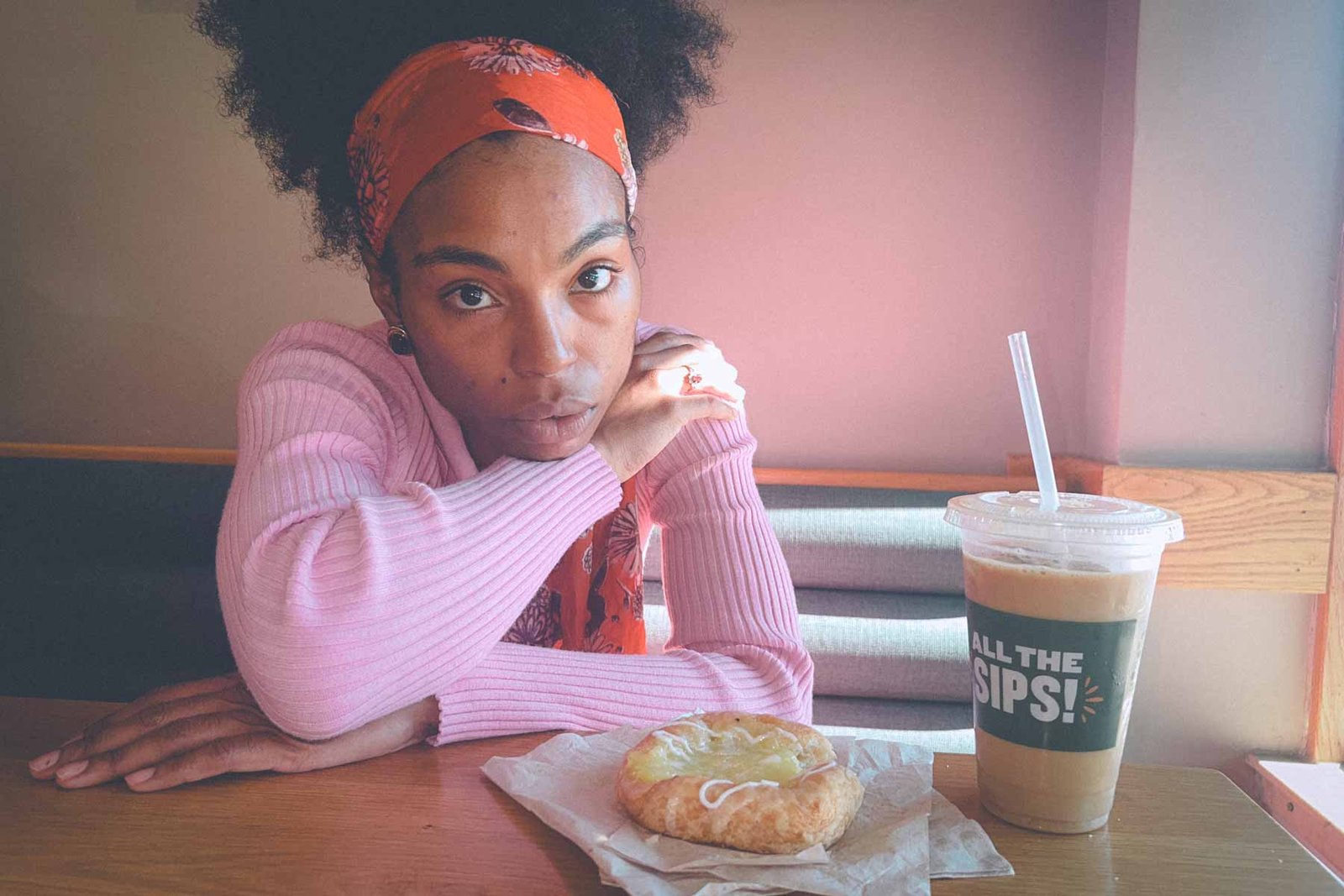
Sometimes I see familiar faces, and for a moment, I feel part of a small, beating community. I sip my iced coffee as the words start to pour out, eating my danish in fewer bites than I’d like to admit. I listen to playlists I’ve curated — songs that stir old memories and spark new ones — and slowly, I feel myself coming back.
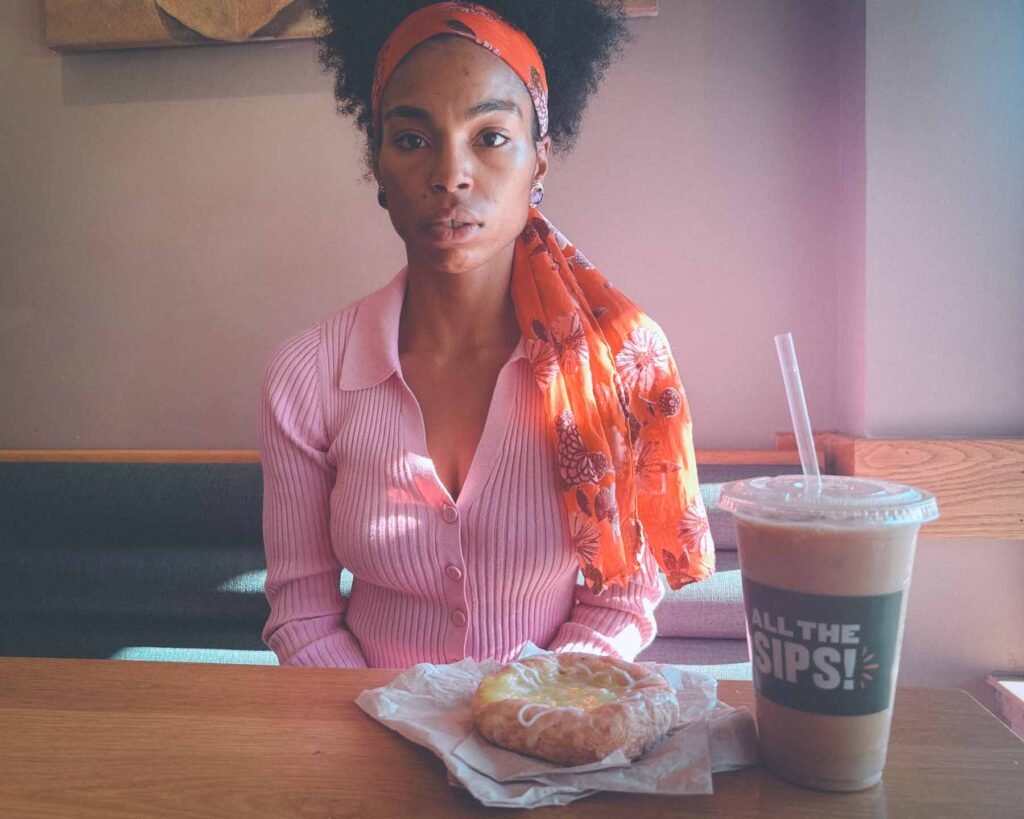
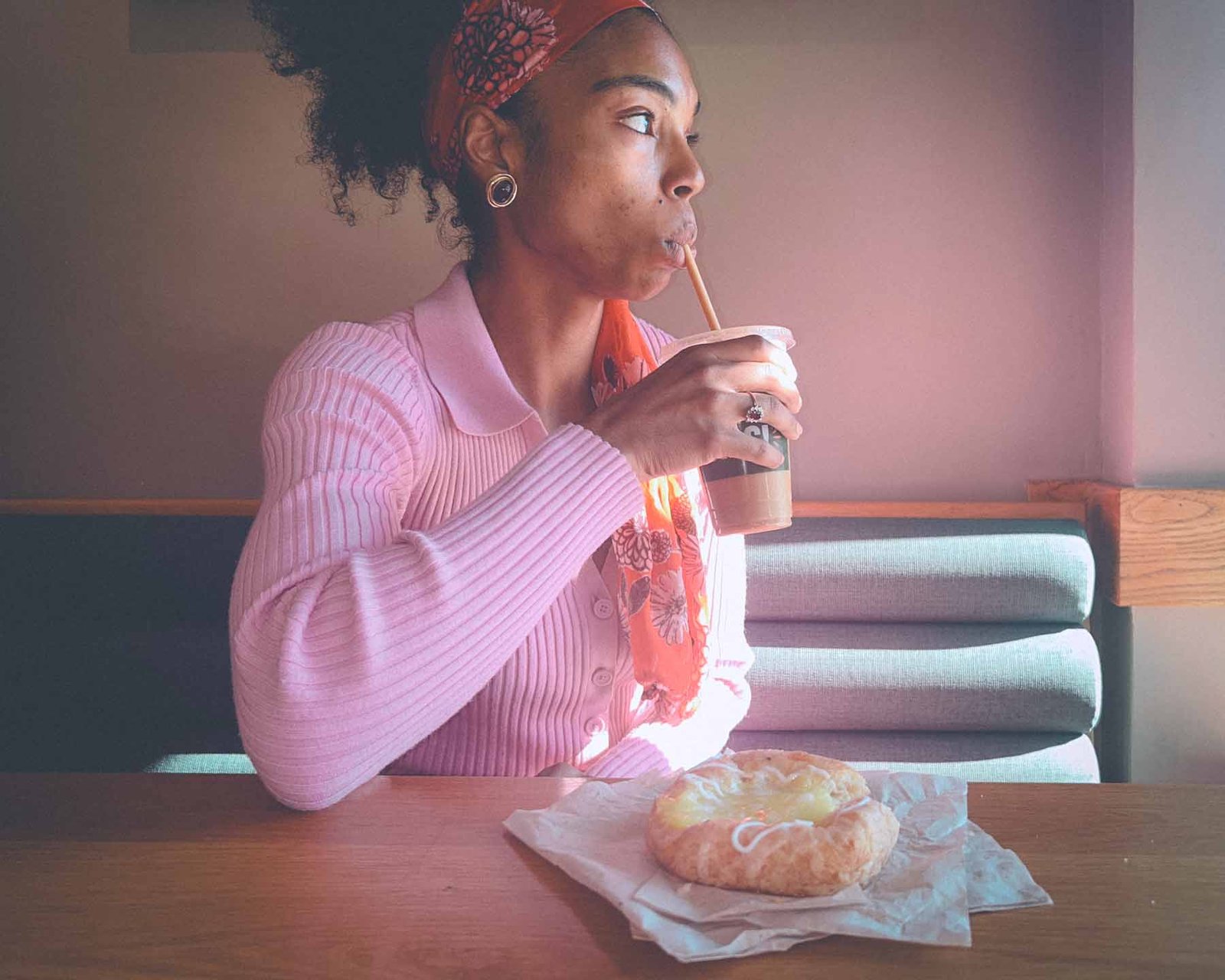
Time flies, and before I know it, I’m ready to go home — having done my day’s work, or at least chipped away at it bit by bit. This return to myself isn’t about racing toward deadlines or hitting goals as quickly as possible. The victory is in showing up — dressed like the best version of myself and heartbeat synced with the rhythm of my fingertips on the keyboard.
Soft productivity, I’m learning, is about cultivating rhythm instead of speed — moving with the day, not against it. It’s the art of knowing when to push and when to pause, when to chase inspiration and when to let it find you.
I don’t try to be perfect anymore; I just try to show up. Some days that’s the hardest thing to do — but also the most important. Each time I do, I feel myself inch closer to wholeness, slowly beating creative burnout and finding my way back to myself.
A New Kind of Discipline: Soft Productivity in Everyday Life
I used to think discipline meant control — a rigid adherence to plans, productivity, and performance. Now, I see it differently. Discipline, I’ve learned, can be gentle. It’s less about force and more about flow; less about doing more and more about doing things meaningfully.
Soft productivity has taught me that showing up doesn’t always have to look grand. Sometimes it means writing one paragraph, folding laundry between edits, or stepping outside just to breathe fresh air. It’s trusting that small, intentional steps still count — that slow progress is still progress.
If you’re rebuilding after burnout or simply tired of the constant push, start small:
- Make rest a part of your routine instead of a reward.
- Create before you consume, even for a few minutes.
- Choose presence over pressure — a single mindful task over ten half-hearted ones.
- Let your routines flex with your energy, not fight it.
The art of soft productivity is, at its heart, the art of self-trust — knowing when your pace is enough. It’s a new kind of discipline: one that makes space for rest, creativity, and the gentle return to yourself. And maybe that’s the quiet lesson this season has been trying to teach me — that slowing down isn’t the end of momentum; it’s how we find it again.