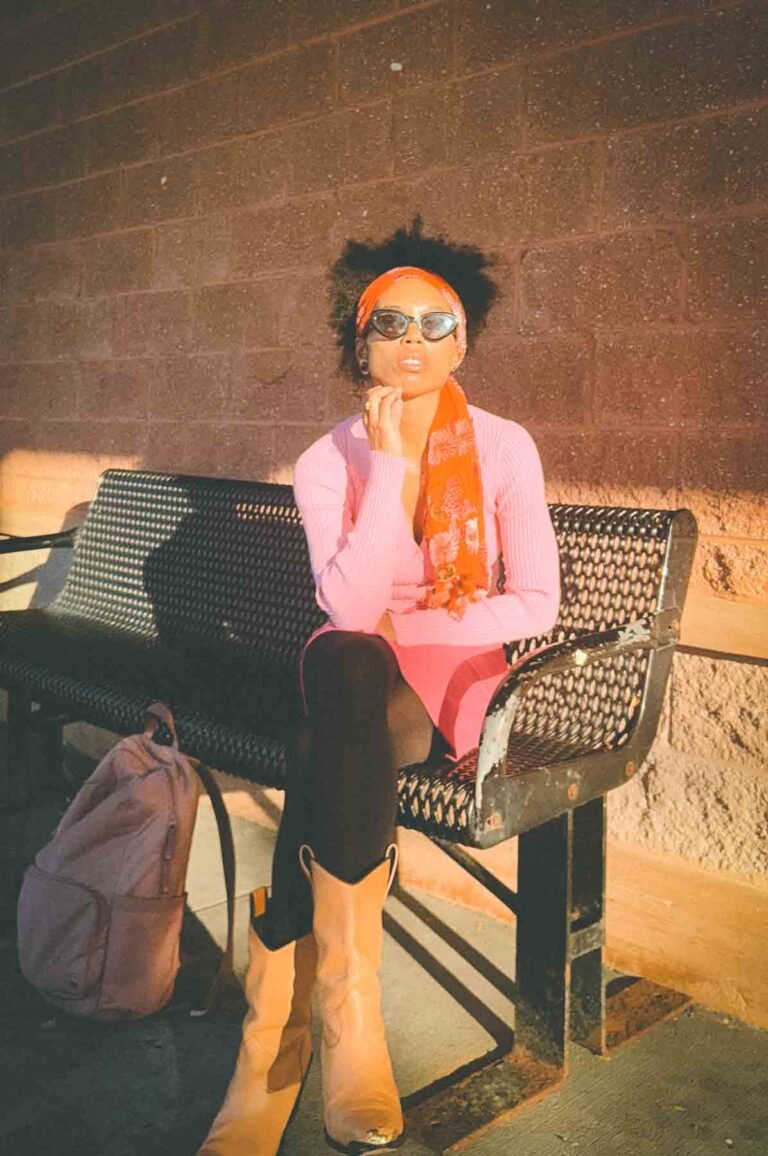
Inside My Closet: Style, Survival, and a New York Autumn
Fall in New York, vintage fur, quiet hope. This is dressing up as a form of resistance, tenderness, and emotional survival.
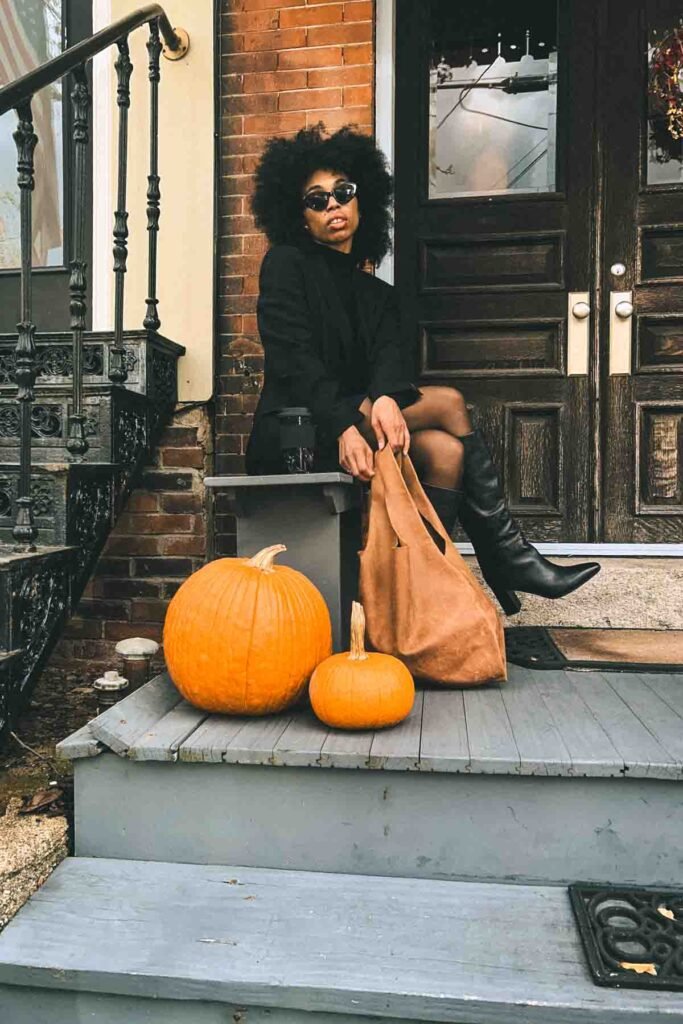
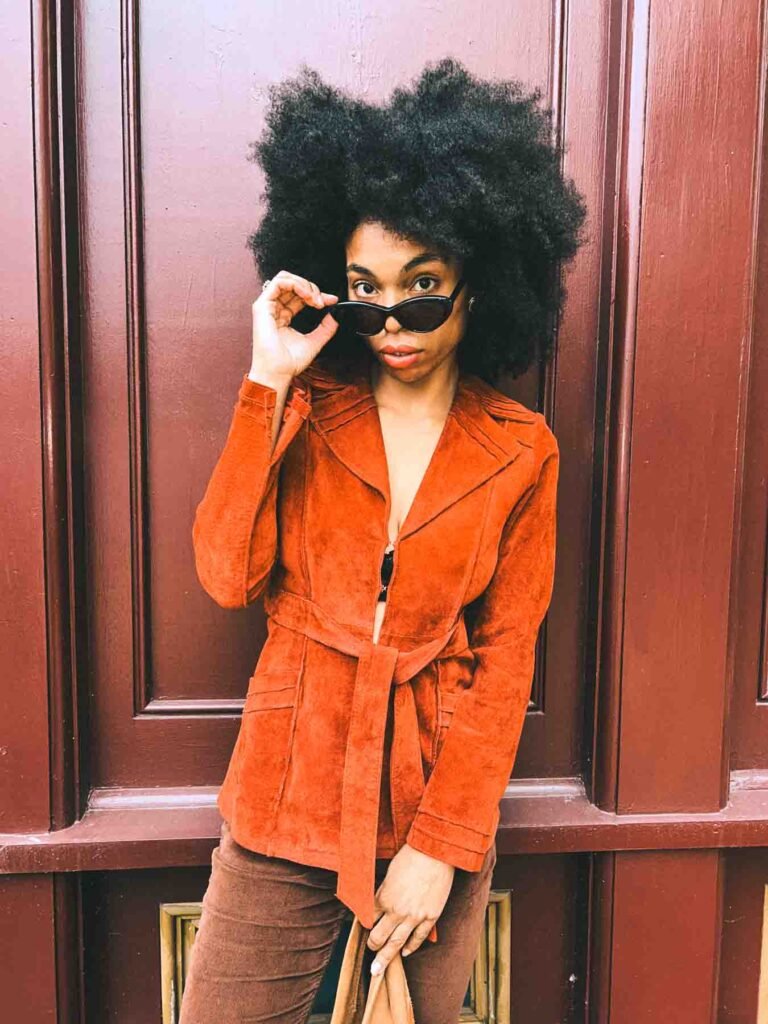
There’s a moment every year when New York exhales — the heat breaks, the air sharpens, and everything turns to gold. The sunlight softens, spilling over the Hudson Valley before vanishing by five. Dusk comes early now, ushering in a quieter season. Pumpkins appear on stoops and coffee shop windows. Lawns are littered with crunchy brown leaves. Whole cul-de-sacs glow with holiday lights while the mall readies itself with Christmas displays. Fall is in full swing — my favorite season, where every scene feels beautifully familiar except this time hope is in every step I take. Inside my closet, summer’s lightness has faded — silk mini dresses and tank tops make room for wool and cashmere, and the season settles in softly like snow on a silent evening.
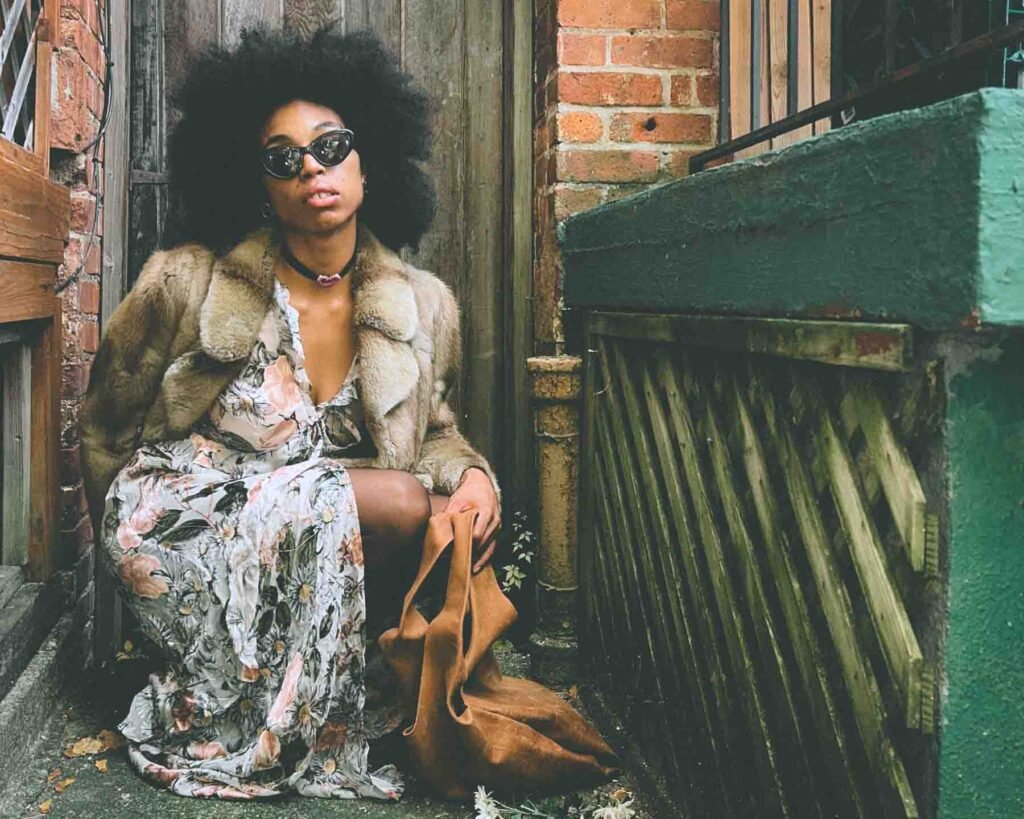
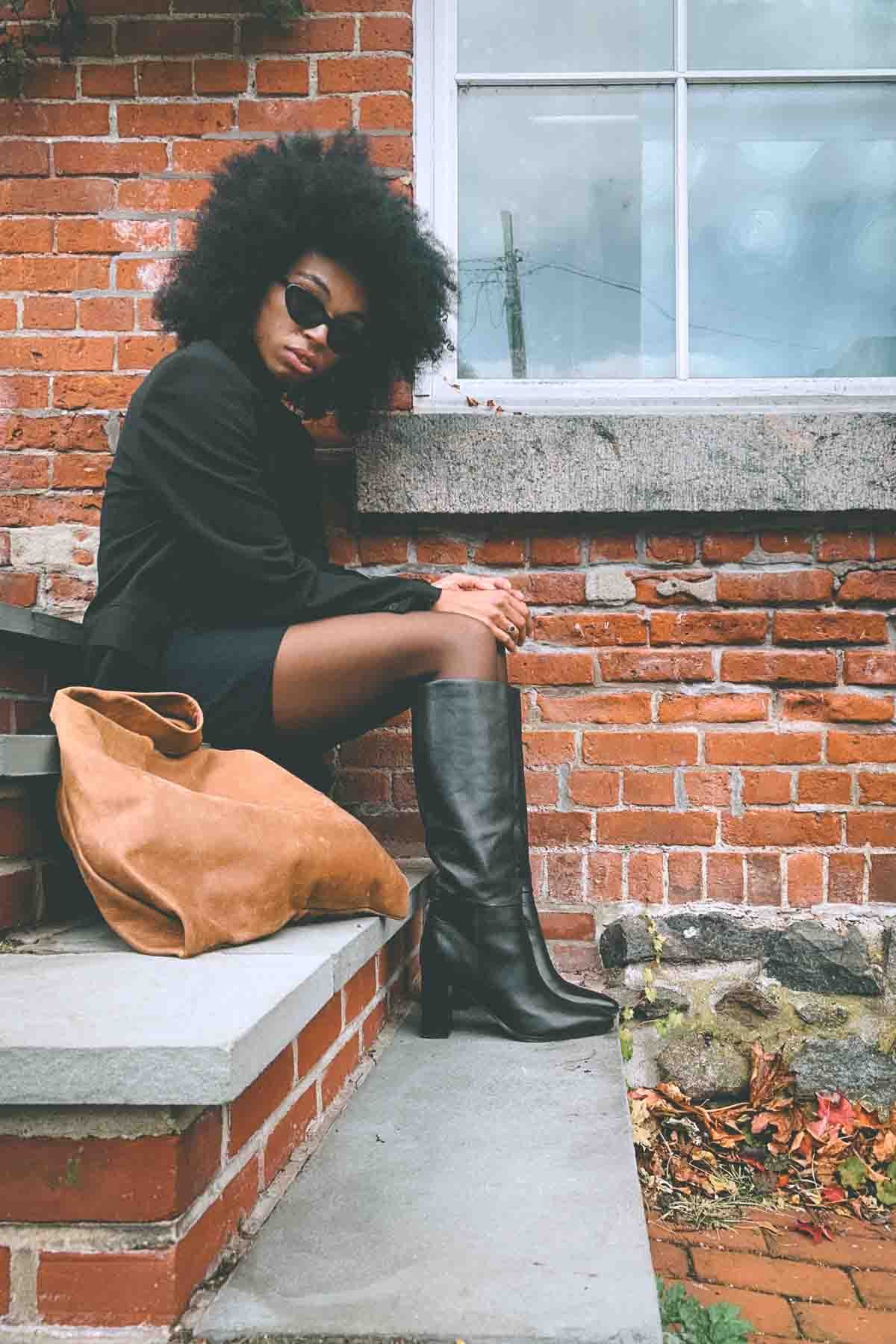
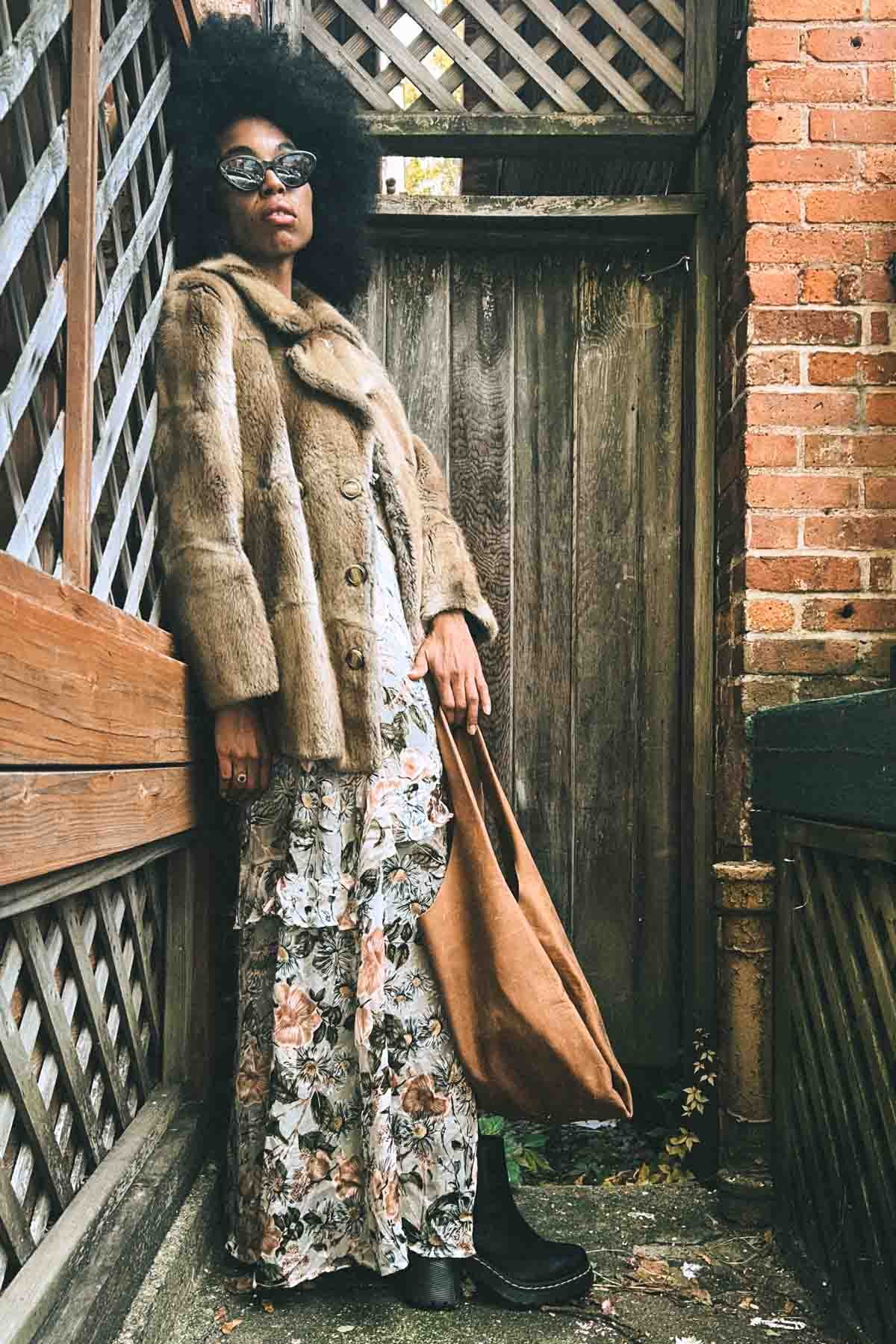
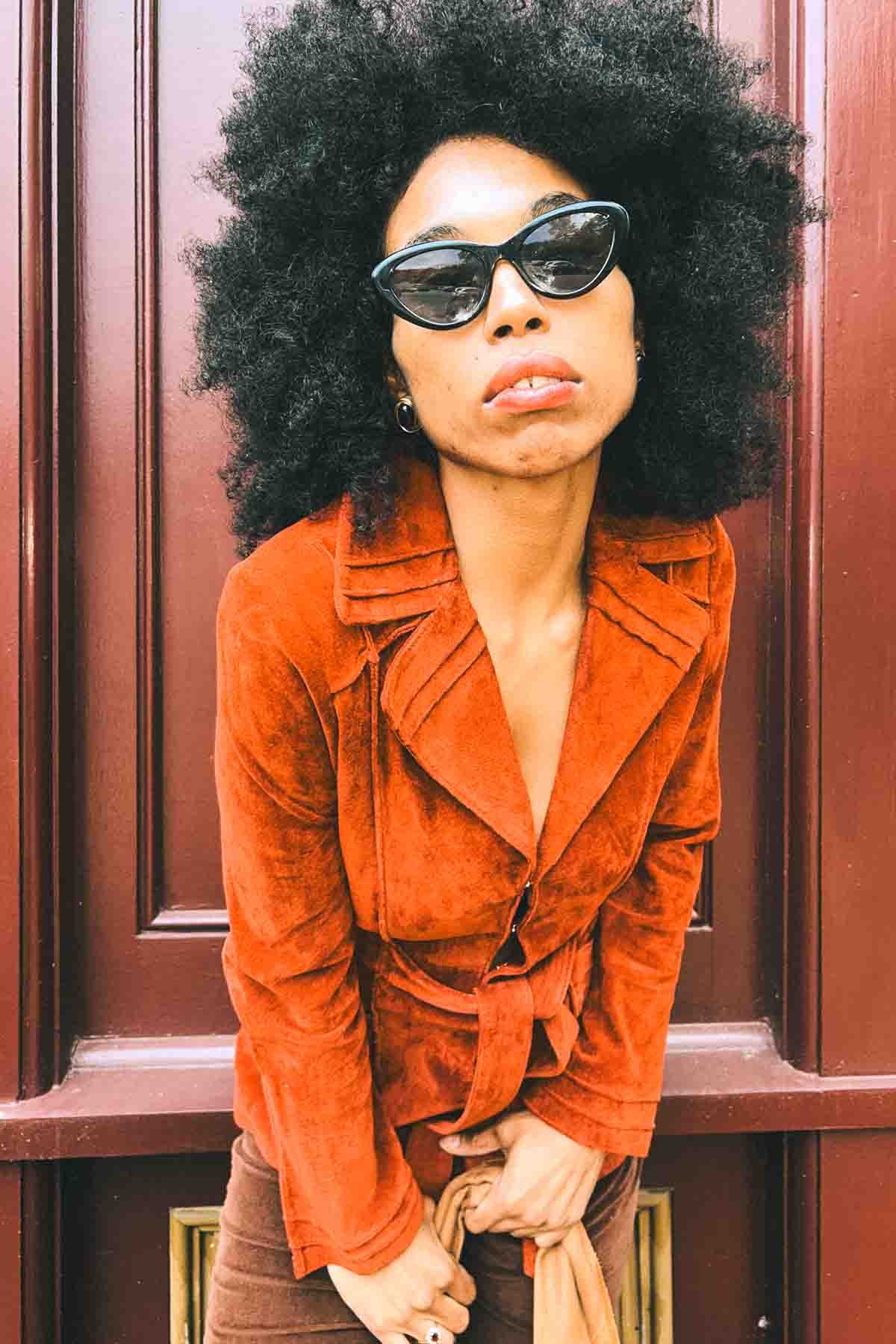
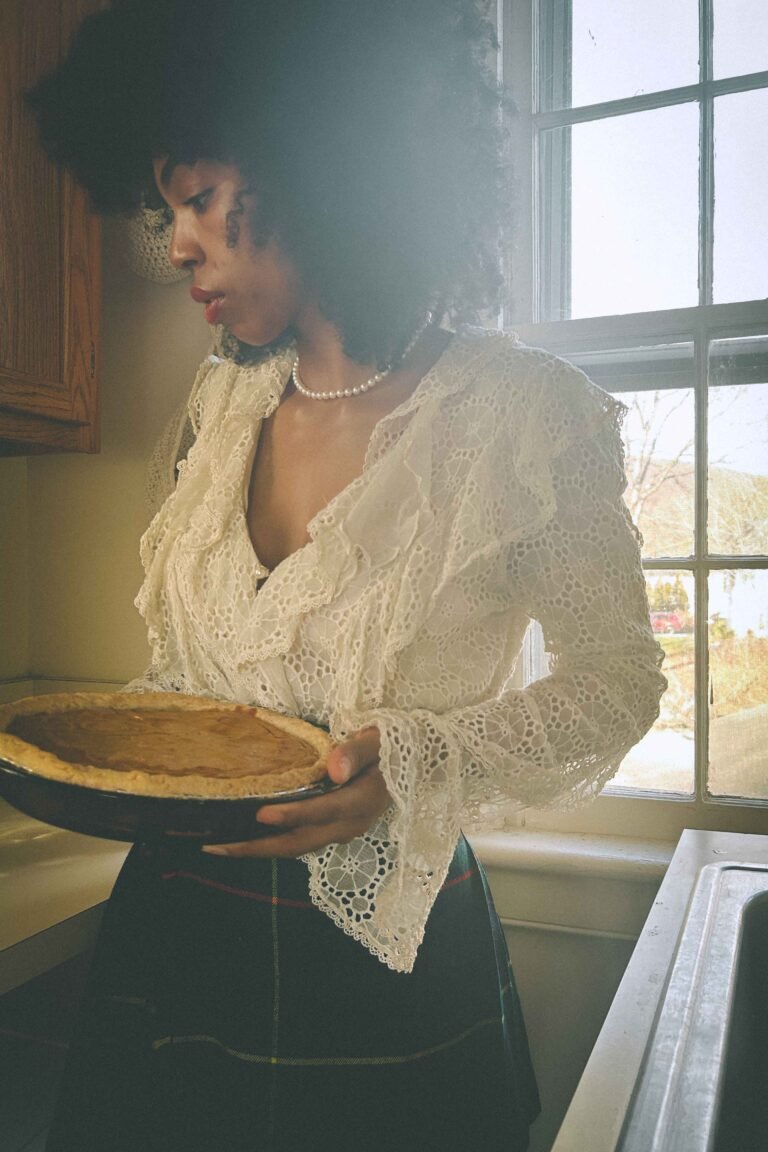
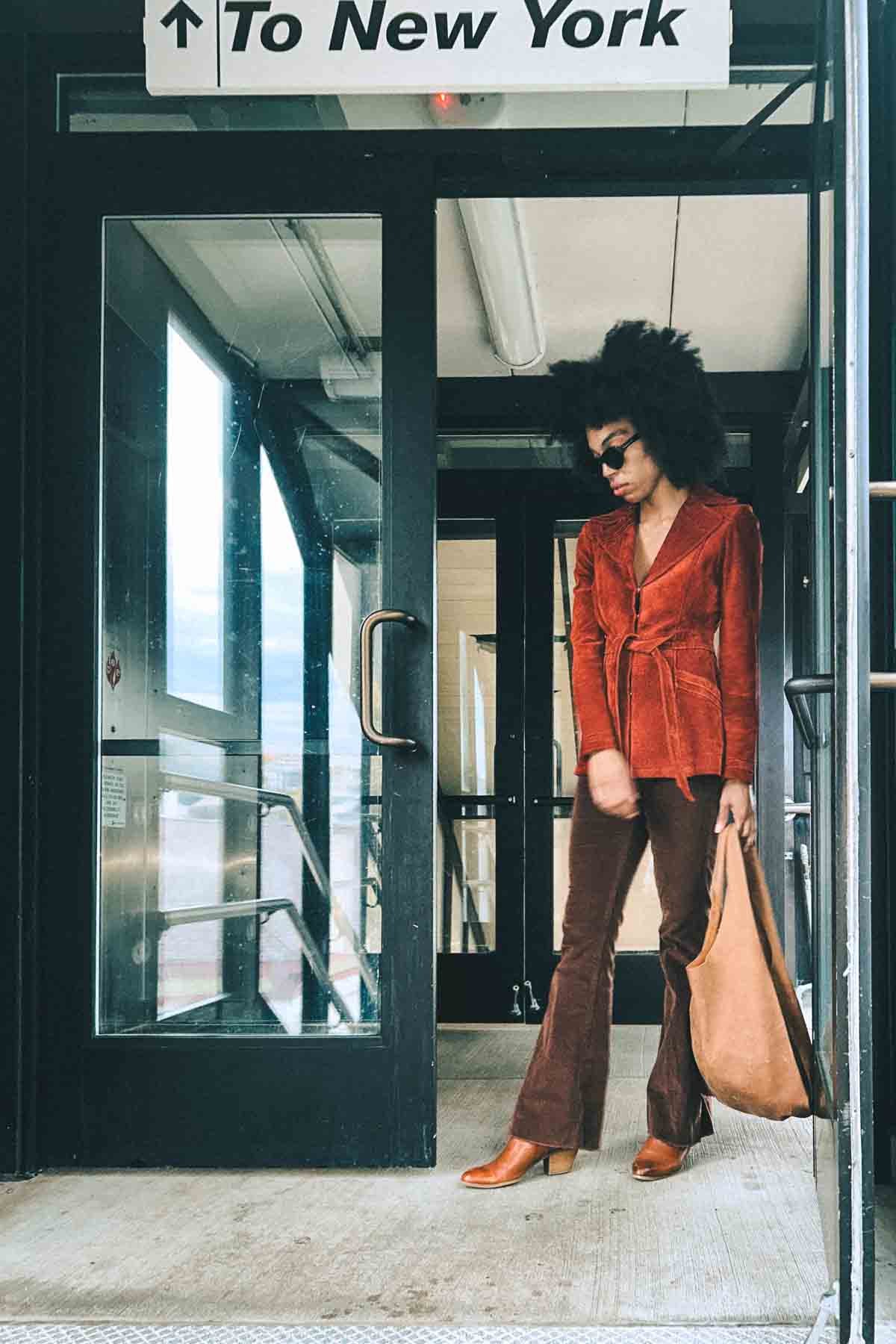
This is my second fall back in New York. I have always loved fall in New York and fall in general. I love pumpkin desserts, iced drinks while wrapped in cozy sweaters, and finally getting to rotate through my jacket collection — an eclectic mix of styles and stories, from my well-loved Levi’s men’s denim jacket with Sherpa to a newly thrifted vintage fur coat that fits like it was made for me. I dream of afternoons on the Metro North, going into the city on purpose, watching the Hudson River stretch out beside me, steady and shimmering as if carrying every version of who I’ve been — and who I’m becoming — toward the city skyline. Toward hope. Toward possibility.
Fall in New York carries a certain romance — walks through quaint Hudson Valley towns with leaf-strewn paths and weekend explorers spilling in from the city. Even on grocery runs, I savor the sound of the town center echoing against the chill, the buses heading toward White Plains, and the way I start dreaming of places to wander beyond this sleepy Westchester town. I look forward to my family gathering around the table at Thanksgiving, and to the handmade gifts I’ll craft for Christmas.
Scene Two: Between Creative Burnout and Becoming
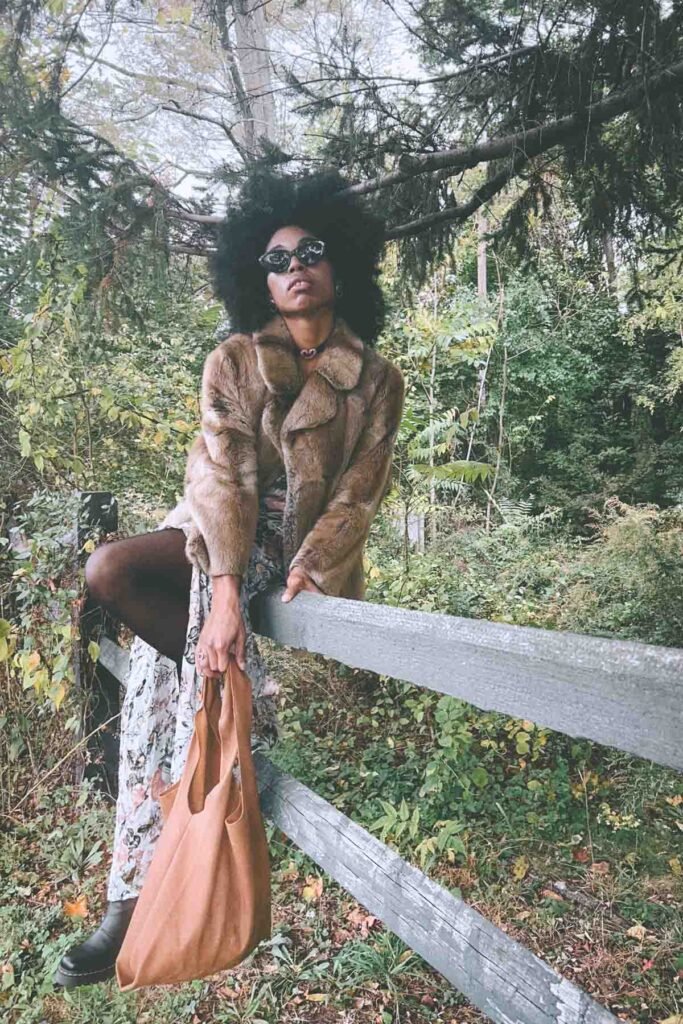
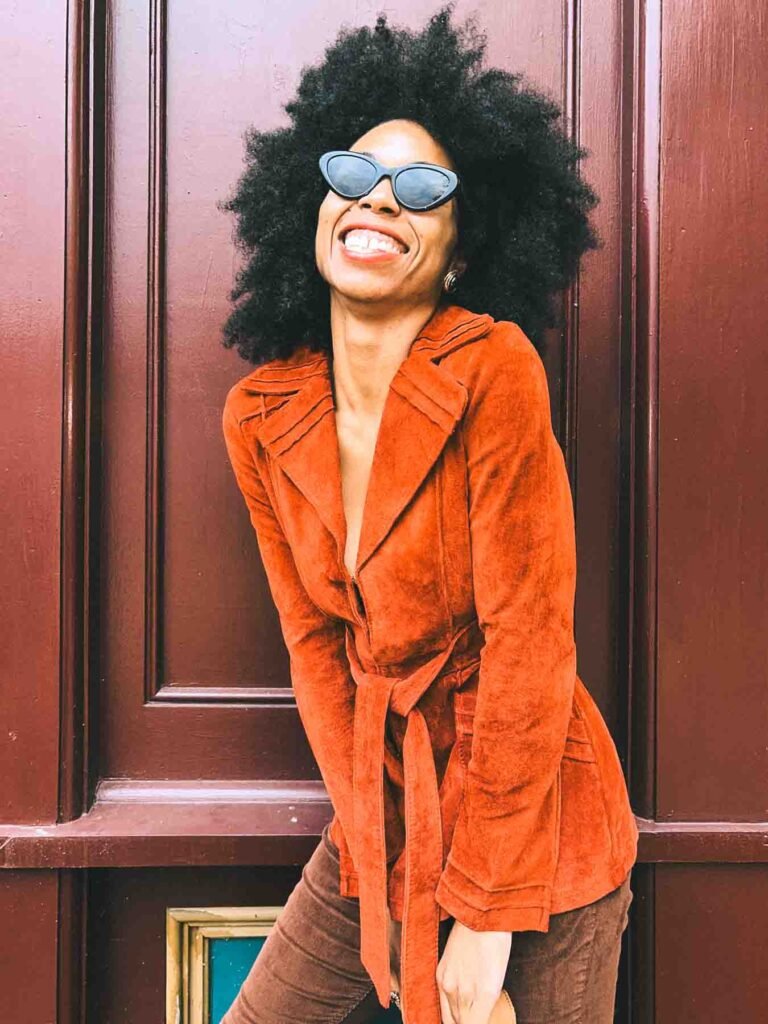
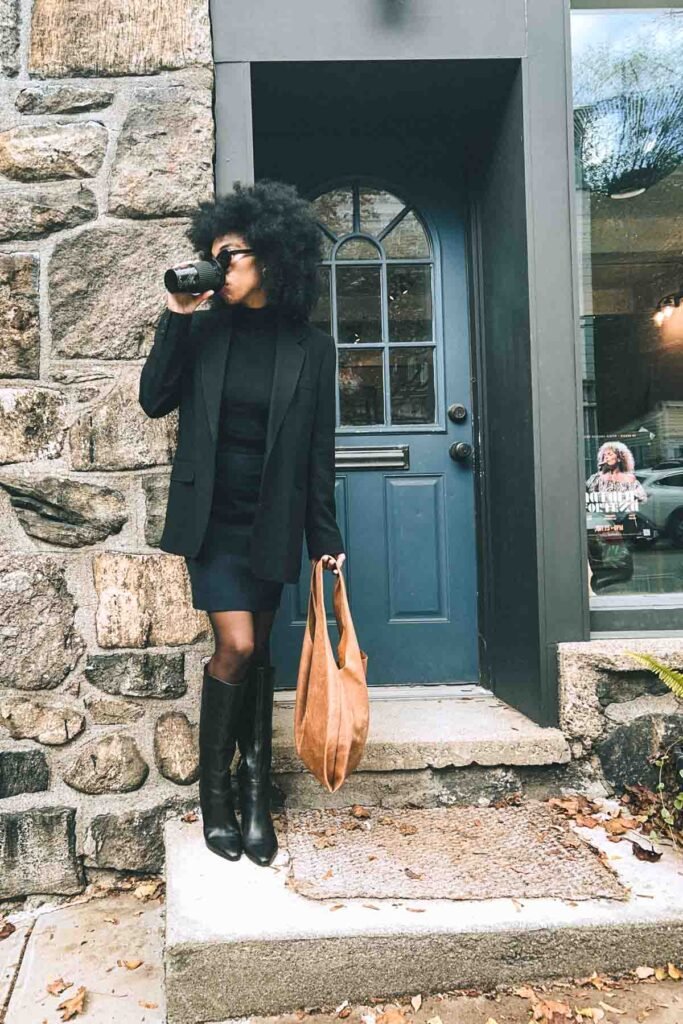
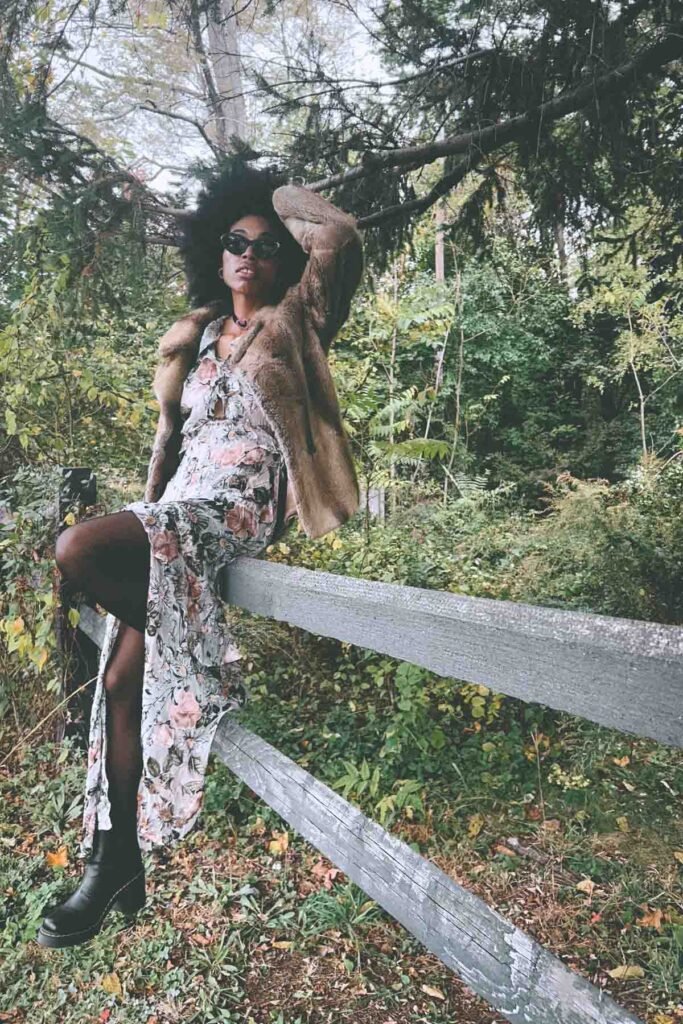
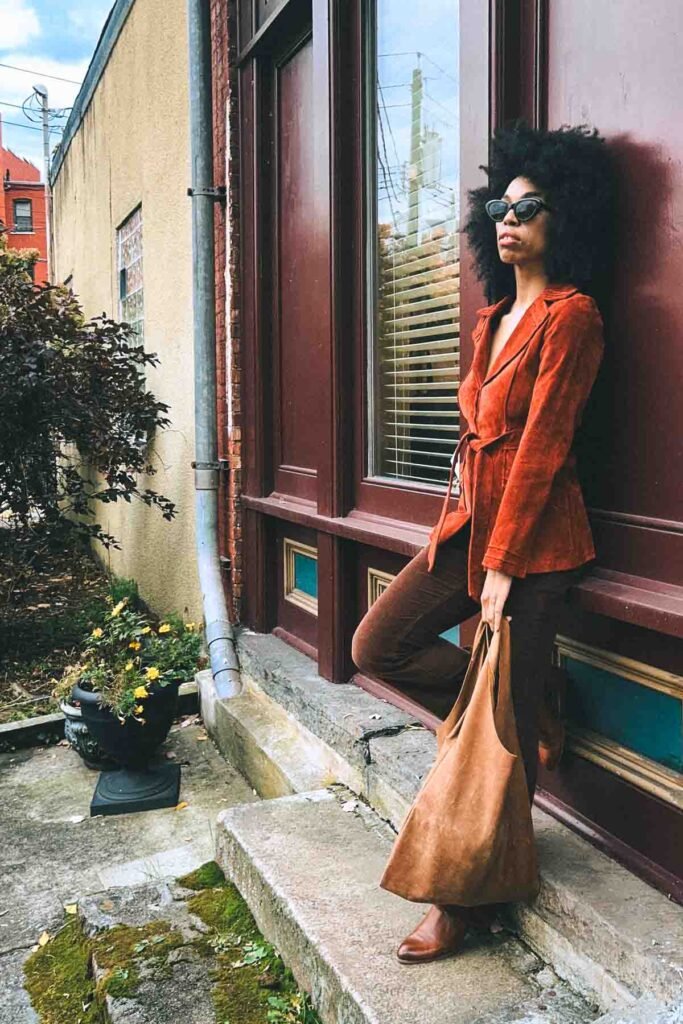
Lately, life has felt like an in-between space — where my inner world is a December I can’t quite forget, memories of past failures cascading like icicles on the Bear Mountain Parkway the morning after a frost.
I hustled away the pain for the last eight months, and while I’m enjoying the fruits of that labor, I’m burned to a crisp from all the relentless work. Looking back, I refused to slow down, thinking rest equaled laziness, and achievement would be the salvation I so desperately wanted.
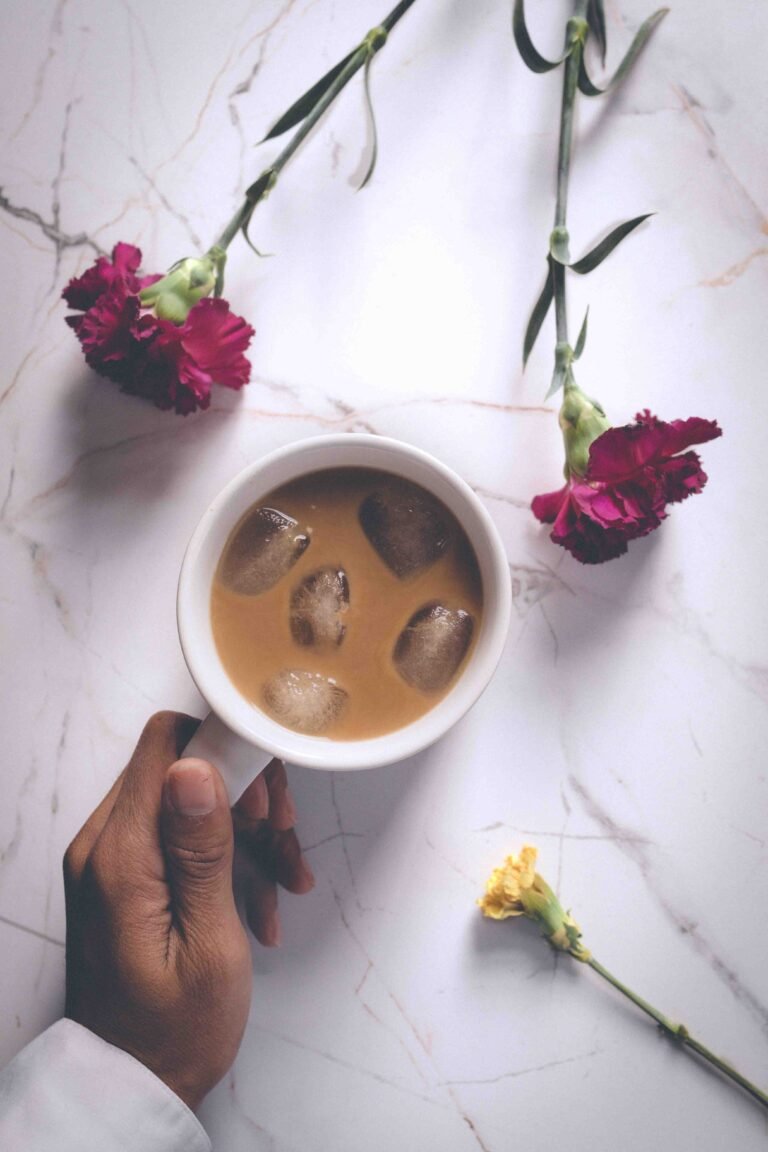
But life isn’t all gloom. There are blessings to be enjoyed, small magics tucked inside ordinary moments — steaming Starbucks coffee in a new favorite mug, iced drinks while doing skincare, and the quiet thrill of believing something good could happen at any second. Like I could walk into a different future, and the sadness would fade like the credits of a film I’ve watched on repeat.
After the crash that came from hustling for months on end, my days are slower now, built around small rituals: coffee and a sheet mask every morning, sweating away stress at the gym, watching the light move across my apartment walls at noon.
It’s also about rediscovering my creative spark — mornings in crowded cafés alive with chatter and chance, sunlight pooling over a chipped blue table, the warmth of a stranger’s kindness carrying me through the afternoon. It’s writing from my heart instead of for numbers, the music in my headphones syncing with the rhythm of my thoughts. I’m finding productivity again, this time softer, gentler. A few weeks back, I wrote about soft productivity and finding discipline and creativity again in gentler ways.
Scene Three: The Texture of Becoming
Creativity returned first — quietly, like light creeping back into a room. And with it came something else I’d been avoiding: the mirror. Last fall, I stopped dressing up because of depression and a slow undoing that lasted months. In Asheville, I was known for being well-dressed even for grocery runs or strolls around the neighborhood.
I should have known something was wrong when I found myself living in dirty jeans and an oversized J.Crew men’s jacket. Once meticulous about my clothes, I let piles of laundry swallow the floor of my small bedroom, my wood vanity buried under wrinkled blouses and bottoms that were half dirty but not yet ready for the wash. It’s a miracle that my silk dresses survived — they only needed a good steaming.
Most days blurred into each other, and I tried—unsuccessfully—to use fashion to rediscover the sparkle I’d lost, the one that grew dim in the bathroom mirror, stolen by something I couldn’t name. I’d open my closet and search for hope in the silk and delicately embroidered necklines, dressing up as if beauty could fix the sadness, the heartbreak, the rejection. As if a perfect outfit could mend the mirror itself—now warped by shame—reflecting back someone I no longer recognized. The result: I felt foreign in my clothes, like they belonged to another version of me.
A place like New York has a way of swallowing you whole when you’re lonely and broke. Despite the wealth and the promise of opportunity — despite technically having more paths forward here than in Asheville — it’s easy to disappear in the noise. The city, just an hour train ride away, home to nearly nine million people and the myth that one chance encounter can change everything, shines for the chosen — for those with the right friends, the right faces, the right timing. The rest of us are left making art in the cracks, invisible but still reaching for light.
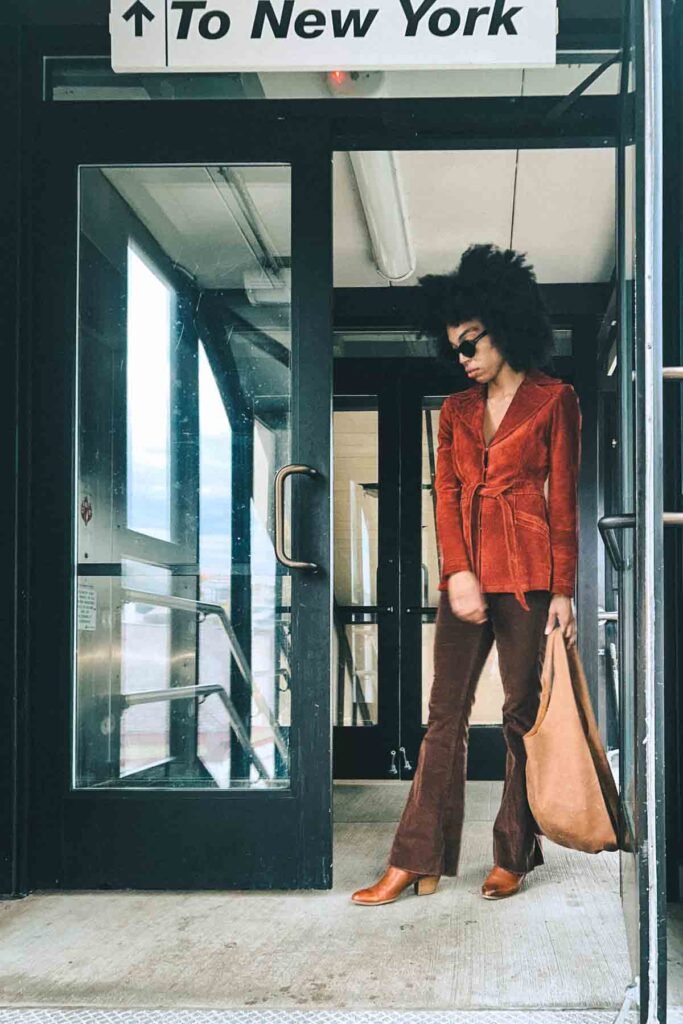
Earlier this year, I didn’t have a community here — not yet. Just long walks to nowhere, my imagination wandering with me, dreams of train rides to the city on purpose, breathing in the worn leather of the Metro-North seats, my mind imagining the Hudson blurring past like a child erasing crayon — smudges of blue and gold dissolving into the glass, the river swallowing whole the outlines of a life I used to know.
My fantasies were in technicolor and taffeta while my actual life was filled with tattered blue jeans and grey — the difference as stark as the skyscrapers in the city that shoot into the sky, steel monuments to dreams that gleam above while down below I searched for color in my own reflection.
This fall feels different. I’m still alone sometimes, but it’s not the same kind of loneliness — not the kind that crushes, that feels like a star collapsing in on itself, or the mirage of a future where futures go to die. There’s hope now. Hope for the future. Hope for second chances. Hope for success.
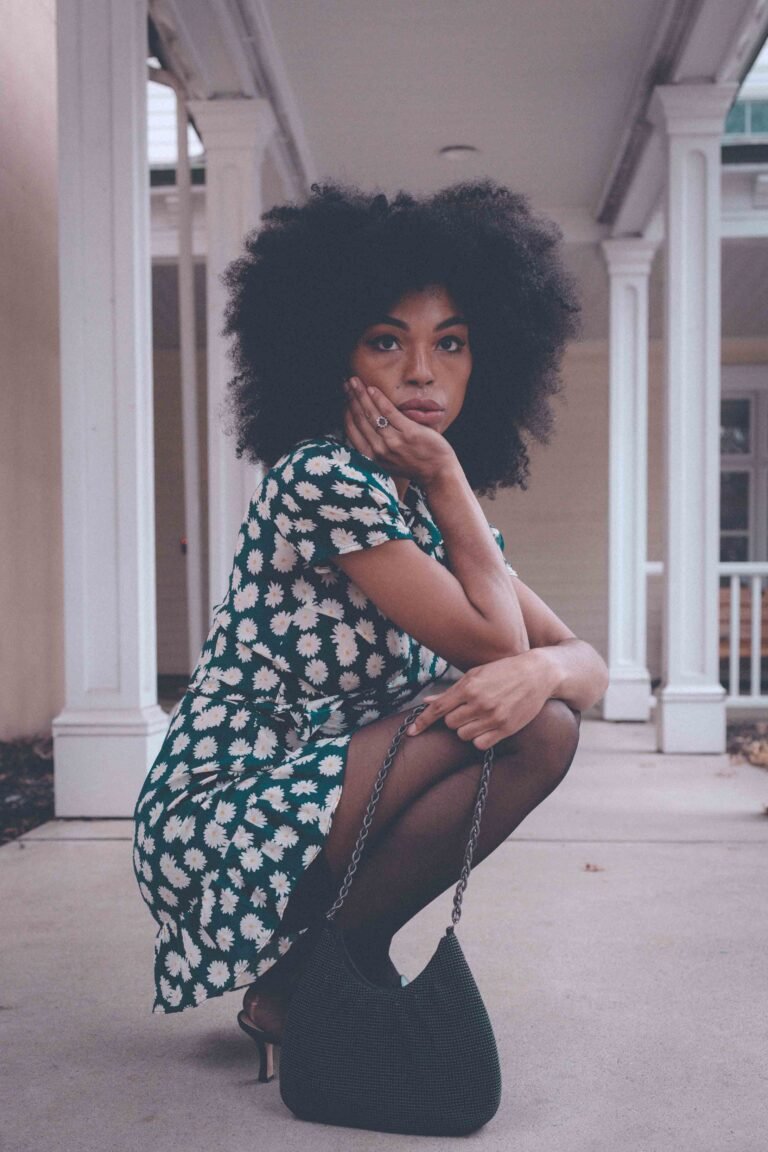
Dressing up has become its own quiet form of hope — hope that I can thrive again after heartbreak and depression. It’s my way of saying, I’m still here. I still care. I dress up even when I have nowhere to go, even if the highlight of my day is groceries or flipping through magazines at the bookstore.
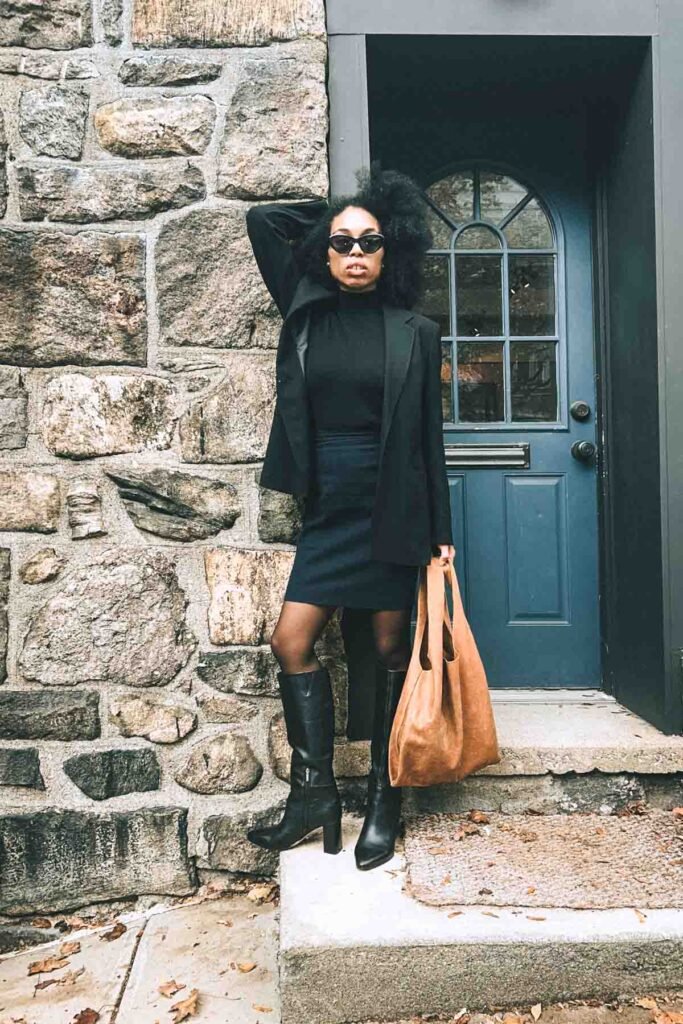
I think of dressing as ceremony — a small, sacred act of self-return found in cashmere and thrifted silk blouses. A secondhand Theory sweater pulled over my head. A vintage DKNY blazer blending into a black cashmere mock neck. A wool navy pencil skirt that once belonged to my aunt in the late 1990s, when clothes were better made and still made with natural fibers. It’s less hand-me-down and more heirloom — a piece of family history that outlived its decade, now carrying a story of hope stitched between its seams.
Dressing up has become an act of survival — the costume to my comeback. Depression almost stole my life, quietly, without witnesses.
Now I’m reclaiming the part of me I once treated like my best friend. When I dress up, it’s not just heels and skirts, not beauty that stops at the surface; it’s a reminder that I’m still here, still beautiful, even with the invisible scars that hide underneath my sleeves — remnants of moments that tore me open but also where I found gold in the cracks.
Lately, I’ve been drawn to the aesthetic of the 1990s. Yes — the clean, sleek lines, the classic minimalism, the quiet elegance — all of it is in right now. But my connection to the decade runs deeper than fashion.
It’s closer to home.
I spent most of my twenties living in the Southeast, and nothing could have prepared me for the strange nostalgia of watching the adults from my childhood enter their sixties. They were my age in the nineties. Sometimes I catch a glimpse of my dad when he was twenty-eight and a new father — his sad eyes flickering back at me in the bathroom mirror. I see my mom in the way I dress, her nerves as solid as the heels of well-made leather boots. I see my aunt’s ambition in the pinstripes of the wool skirt she passed down to me. She was the first in our family to graduate high school, the first to go to college, the one who changed the trajectory of our family tree.
I hope to do the same.
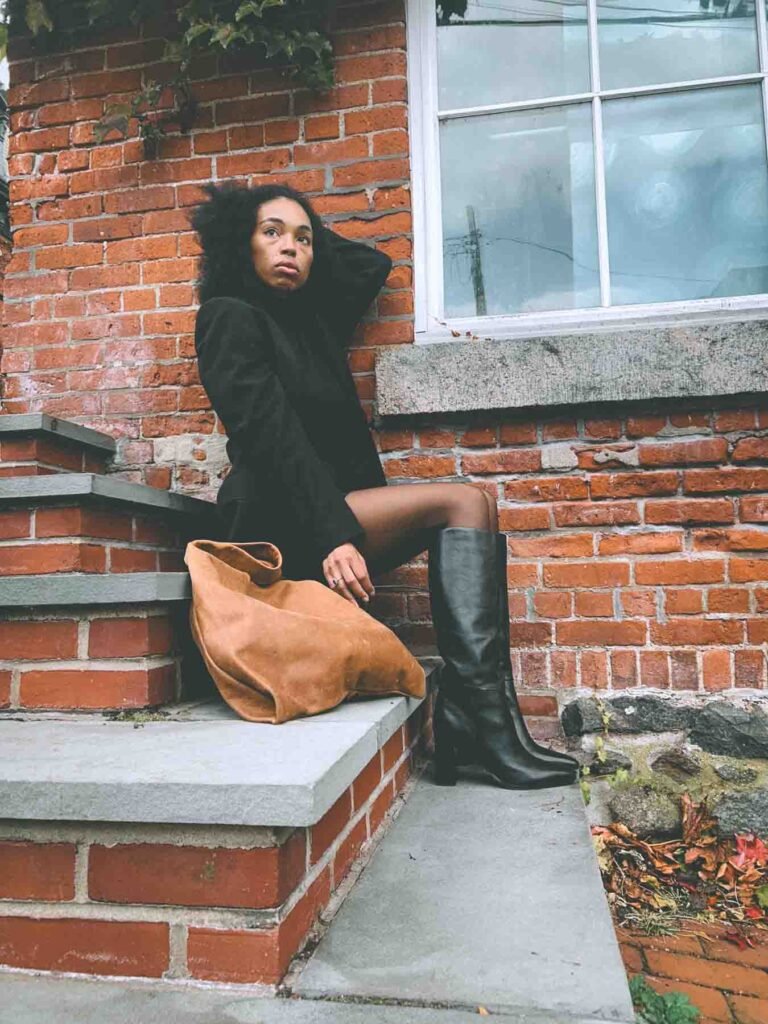
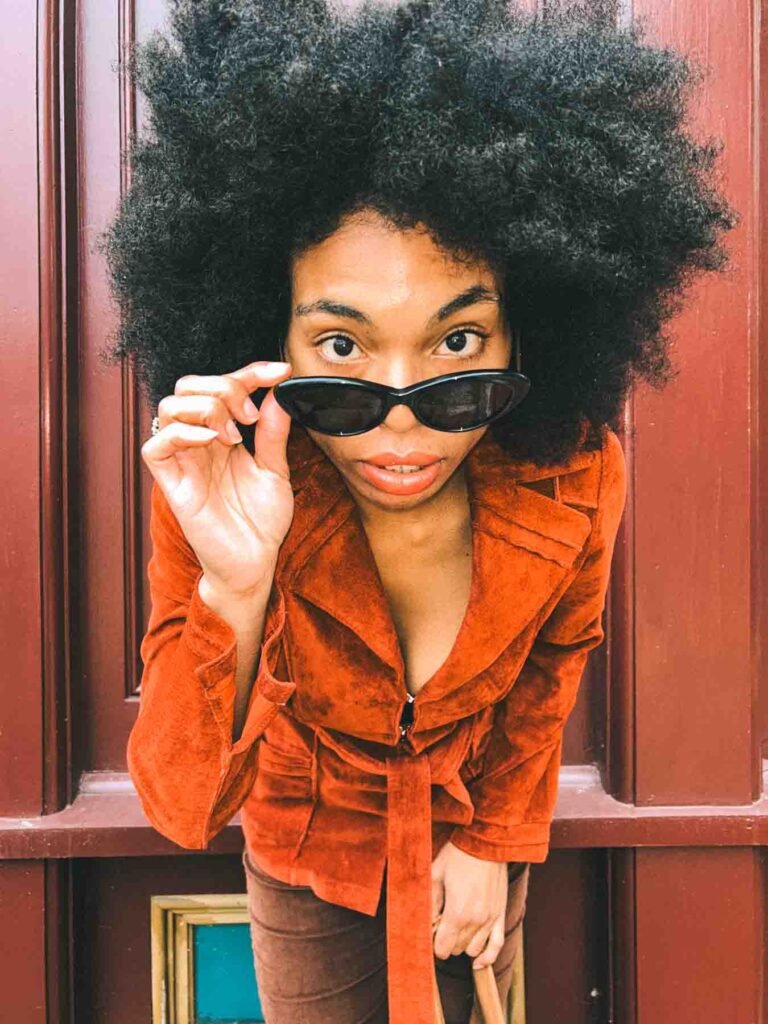
She used to tell me stories — about imposter syndrome, about walking into rooms where she didn’t belong, about the racism and classism that shaped the professional world she was trying to enter. The same quiet battles I feel now, trying to make art in a culture that still measures worth in degrees and connections. Sometimes I wonder, who am I to want to be an artist? Why not a nurse, like my mom and sister? Why not something useful, like an English teacher? A steady paycheck would be nice because passion doesn’t always pay the bills and in this economy, art becomes a luxury.
I think a lot about the quiet politics of getting dressed — how it’s the same now as it was in the ’90s, when my aunt was 30. How appearance becomes a kind of currency when you don’t have any to spare. How looking the part matters — and how looking poor, or even ordinary, is a luxury only the wealthy can afford. For the rest of us, it’s strategy.
I don’t just dress to look rich; I dress to be respected, to be seen. I’ve learned to dress for possibility — for the people I might meet, the jobs I want, the life I’m building. I’ve learned that polish can open doors that talent alone can’t. In a world as cutthroat as art, appearance can be an edge. And in a world obsessed with appearances, dressing the part isn’t pretending — it’s survival. It’s your ticket to upward mobility.
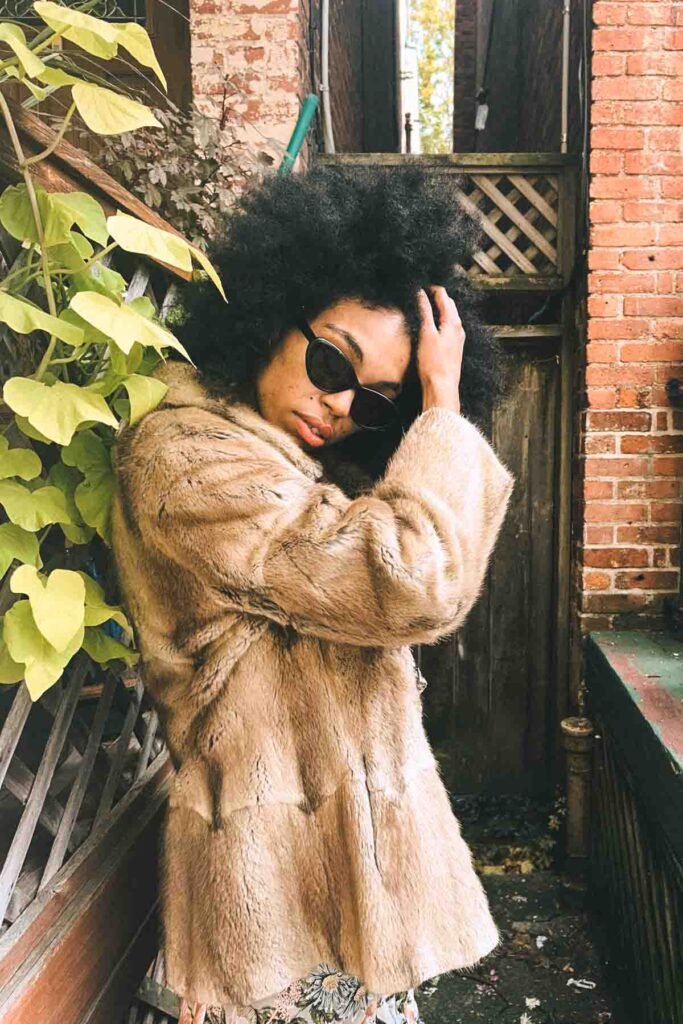
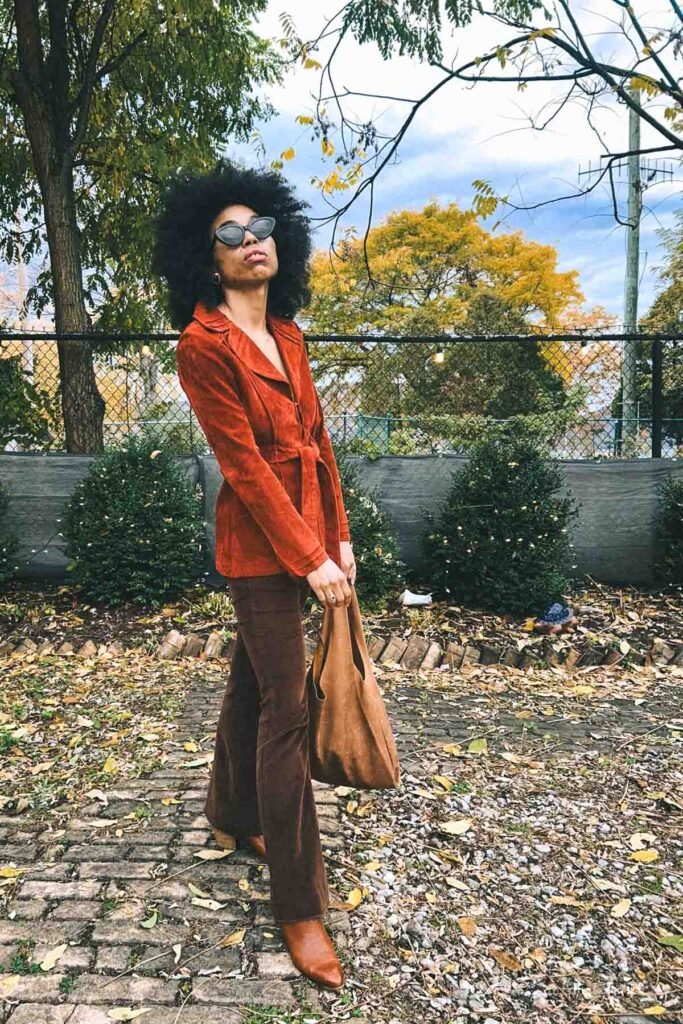
Labels are more than labels. They’re stories — of heritage, of aspiration, of belonging. To some, Brooks Brothers means old money and country clubs. To me, it means possibility — the right to look like I belong in rooms I wasn’t born into. Ralph Lauren, too, isn’t about luxury; it’s about vision — the idea that imagination can become identity, that you can build a world thread by thread.
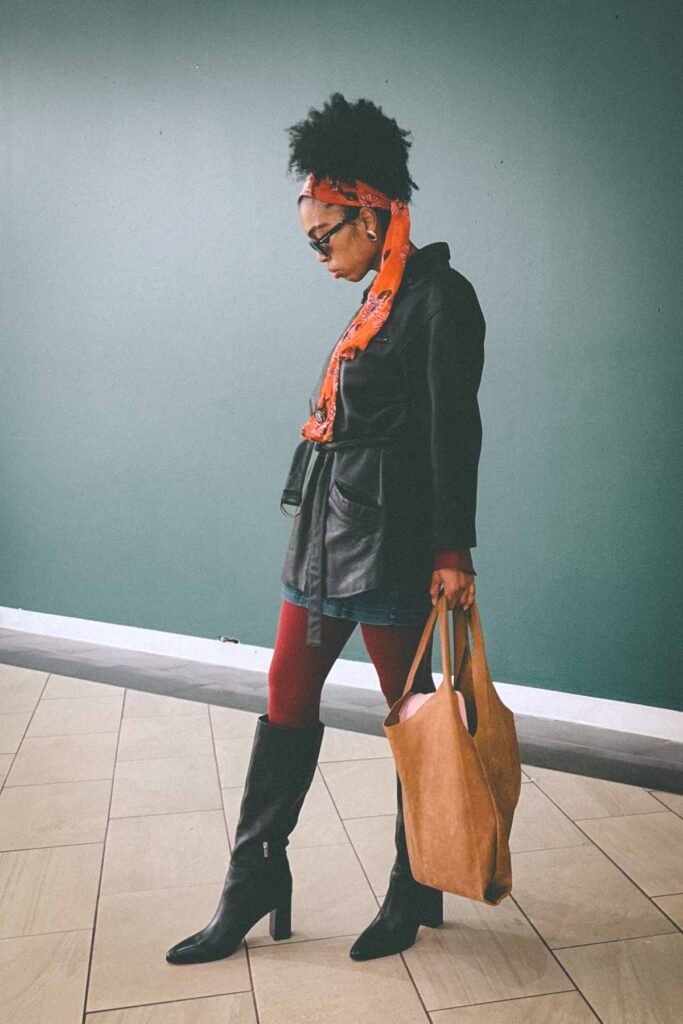
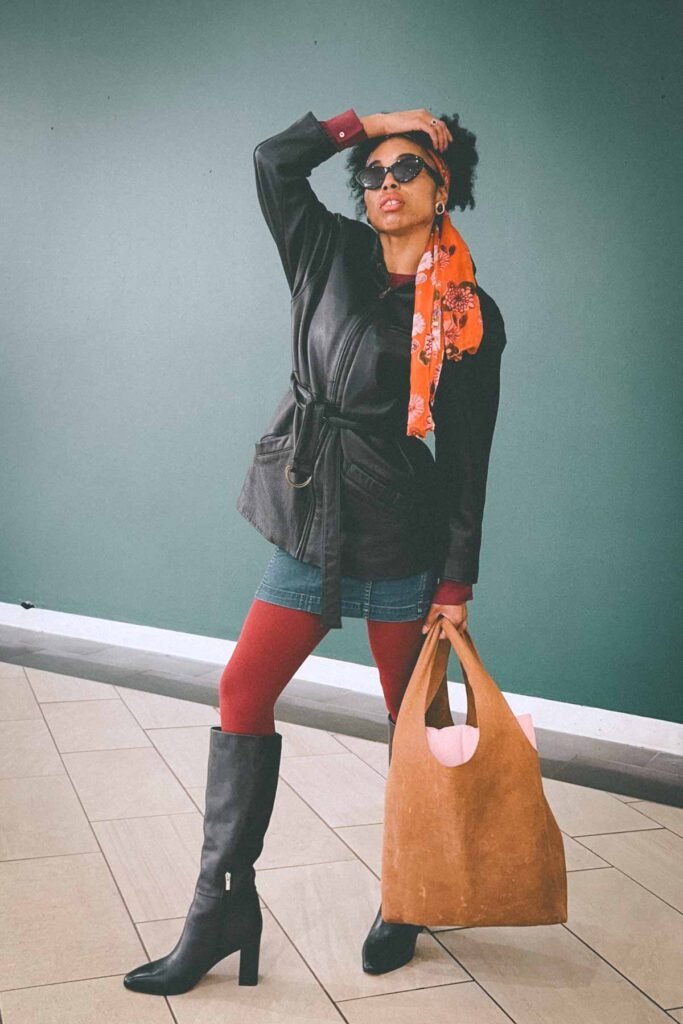
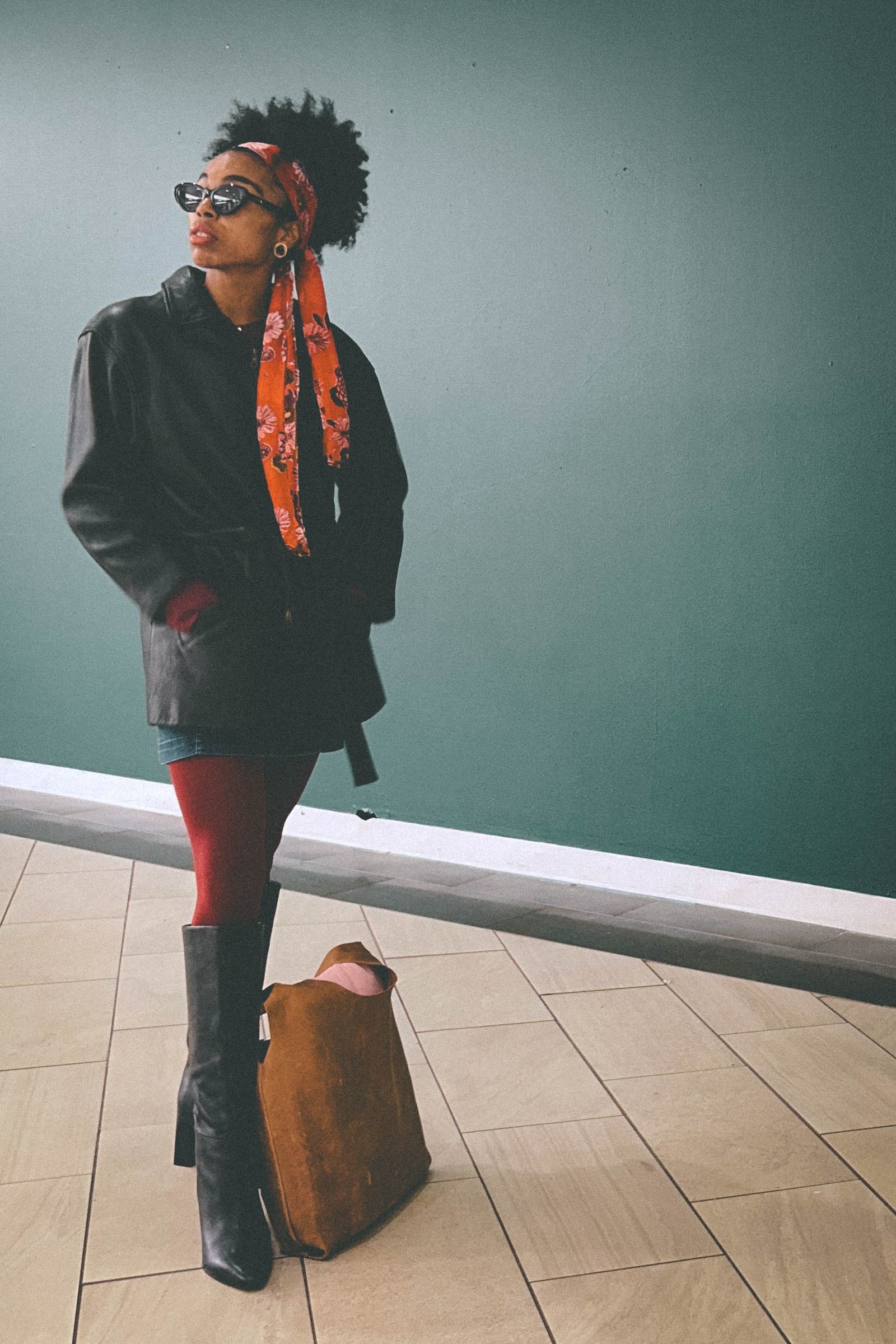
And then there are the pieces that mark turning points — the things you buy not because you need them, but because they remind you who you are becoming. I think about the Calvin Klein boots I found on final sale at Macy’s — pointed toe, sleek genuine leather — and how they always seem to make me feel better. They have presence with every click of the heel, a quiet confidence that grounds me. The same month I bought them, Calvin Klein returned to New York Fashion Week — a reminder of how everything comes back around, how style — and even self-worth — can find their way home again.
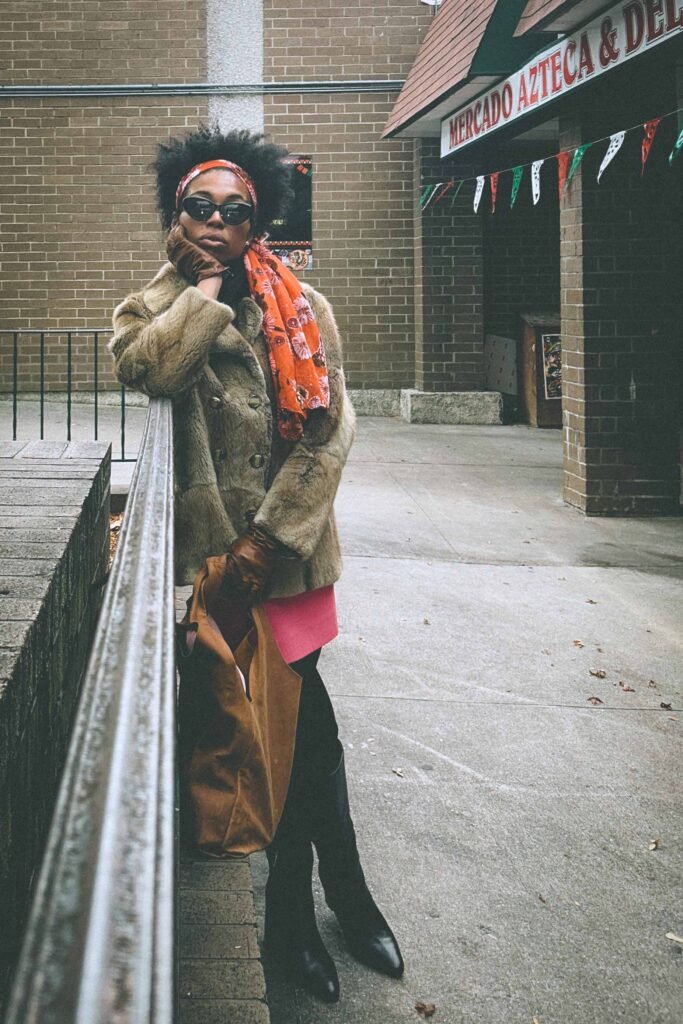
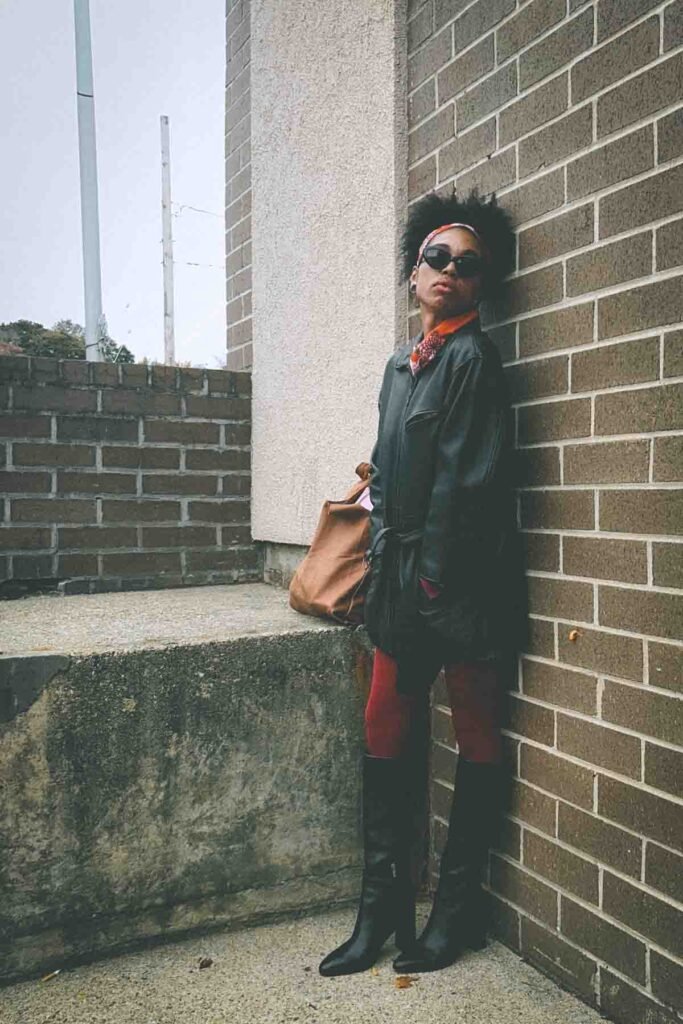
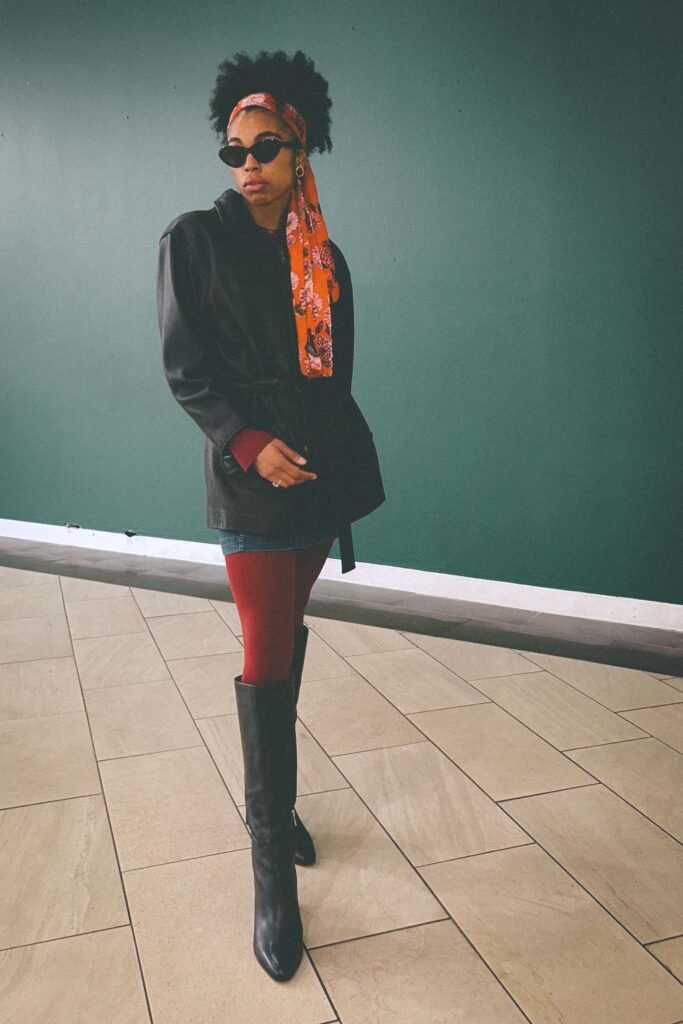
When I slip into those boots, I feel like the kind of woman Calvin Klein designed for in the 1990s — composed, confident, effortlessly elegant. The kind of woman, women like Carolyn Bessette-Kennedy embodied: minimalist, elegant, self-assured. I used to see women like her as distant, the kind of women whose beauty and poise existed in another world entirely. But now, standing in my thrifted pencil skirt and those sale-rack boots, I feel closer to that energy — not because I’ve become her, but because I’ve become me.
Fall in New York: Hope Found in Leather and fur
Outside, the trees have thinned, bare but steady. The sun still shines, but the chill lingers in the air like memory.
I walk home beneath a sky the color of wet concrete — the kind that makes every window glow. I’ve returned to my art practice, piece by piece. I’m taking more photos again. Art is finding its way back into my rhythm — art for joy, not performance.
There’s comfort in the repetition: the morning ritual of coffee and a sheet mask, rising with the sun. The same streets now paved with dead leaves that fall like snow from the cold grey sky. The gold light filtering through the branches, glinting off my sunglasses, feels like a small form of hope.
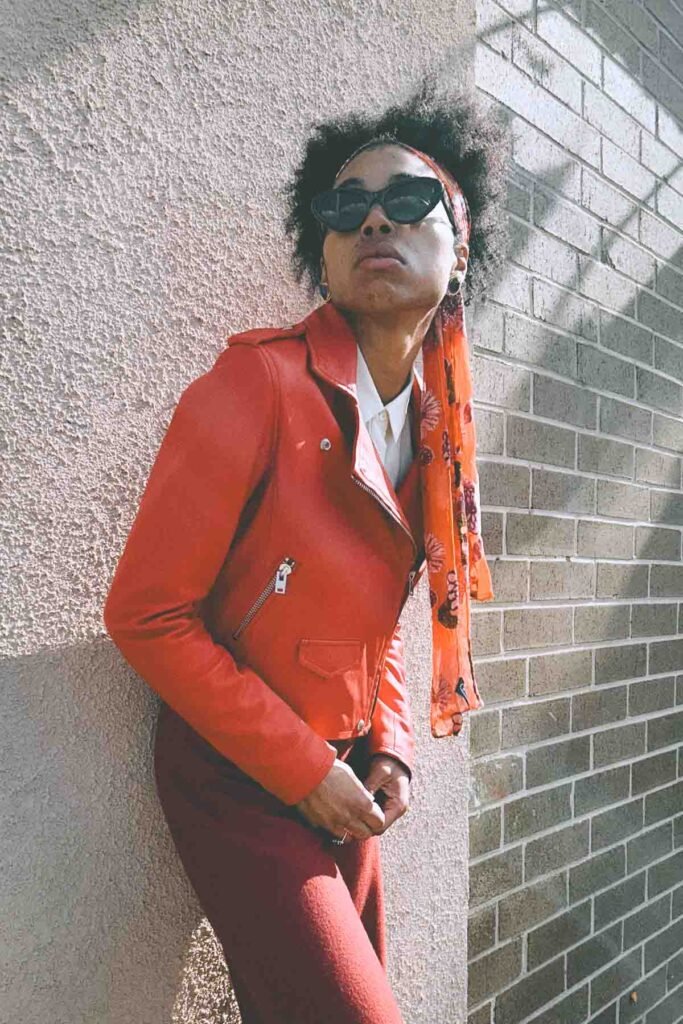
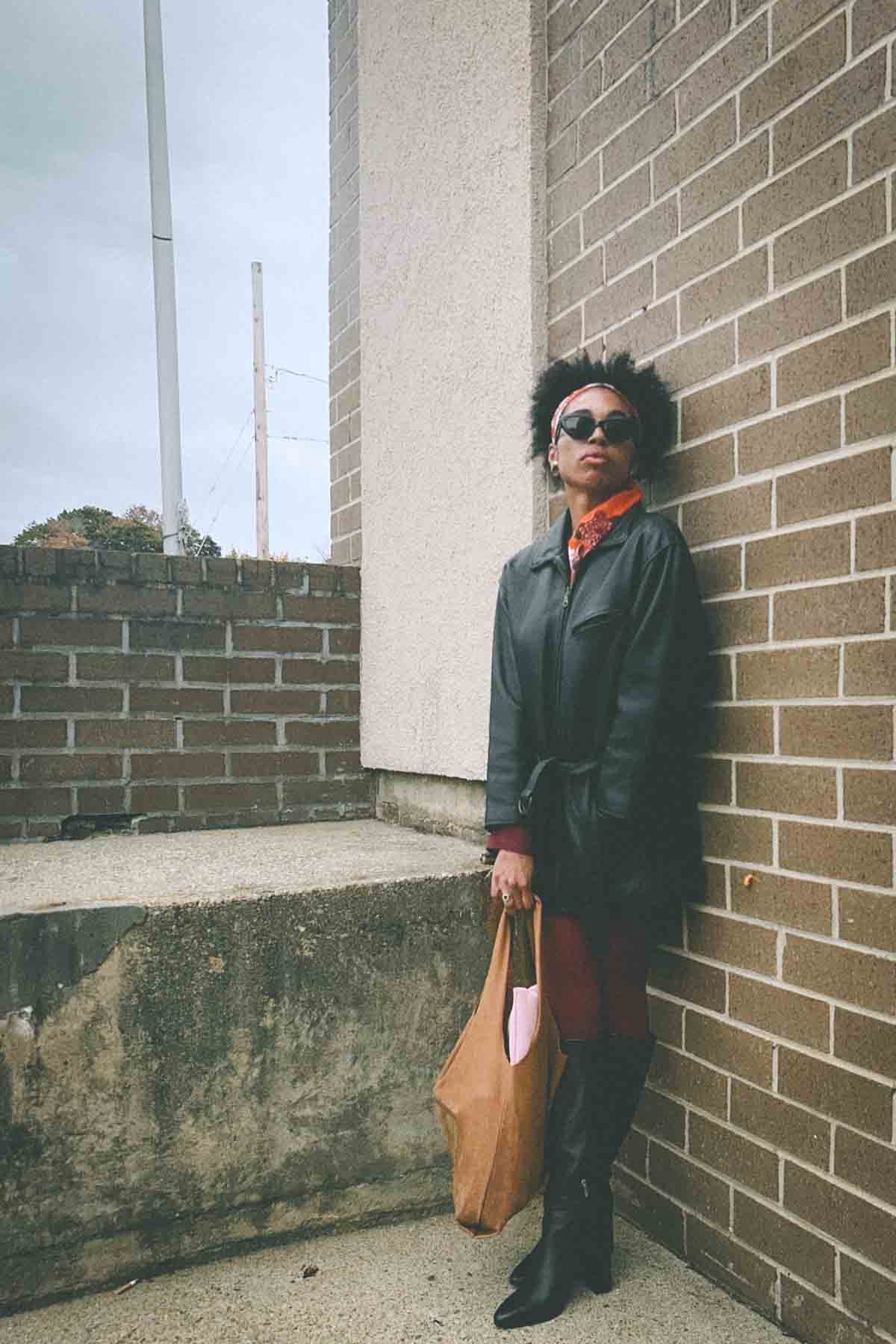
Fall has always been my favorite film — familiar, tender, redemptive in its irony, as the leaves fall and the flowers wither. And this year, I’m finding my way back to life and myself. Some people survive storms with faith or fury. I survive them in leather and boots — finding myself again as I walk the streets like I have somewhere to go, like I matter in the grand scheme of things.