How to Romanticize Your Life (Even When You’re Depressed)
Romanticizing your life isn’t about perfection—it’s about choosing softness in the middle of the storm. This post explores small rituals that helped me feel human again during depression.
Finding Light in the Fog of Depression
Depression has a way of dulling the world into grayscale, and suddenly, even getting out of bed feels like trying to lift the sky.
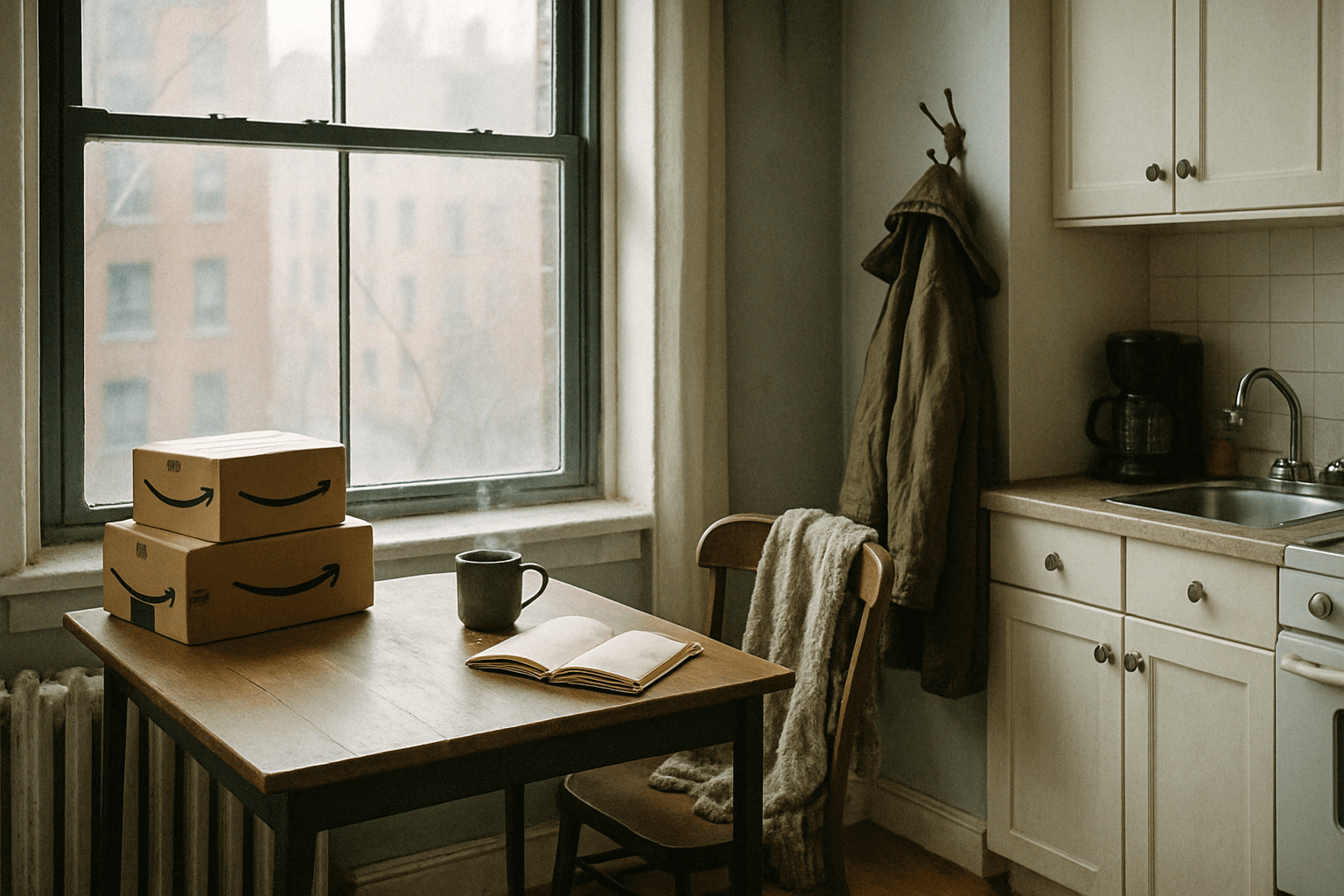
Depression is the unopened Amazon boxes sitting on the kitchenette table—because retail therapy doesn’t really replace therapy, and finding a good therapist is harder than it should be. It’s the overflowing garbage can, full of decaying banana peels and crumpled wrappers from microwave dinners—because cooking from scratch feels impossible. It’s the once-cozy apartment, now cluttered and chaotic, more cave than sanctuary—a place where your inner demons settle in and refuse to leave.
Somewhere in the haze of all that, I began to go for walks. At first, just to get away—from the demons, from the mess, from the heaviness in my chest. From the apartment that once felt like a dream but now felt like a prison.
It was February in New York, the dead of winter, when the sky turns steel gray by 3 p.m. and the cold bites through every layer. The air was bitter, the sidewalks icy, and yet walking became an escape.
Each afternoon, I laced up the pink sneakers my mother had gifted me, shrugged on the olive green 1950s army coat I’d thrifted that summer at Goodwill, tossed my phone, keys, and wallet into a Kate Spade crossbody—and stepped outside, hoping the walk would be enough to chase away the winter blues.
The cold stung my cheeks like pins. Snow crunched beneath my feet. I traced old footprints like they might lead me back to something real. I climbed over mounds of frozen slush where sidewalks had disappeared. Cars zoomed past in streaks of blurred light. Bus windows glowed like lanterns filled with silhouettes—proof that life was still moving, even when I wasn’t.
During those slow walks, memories of my life as a music photographer began to surface—uninvited, vivid, relentless.
I remembered who I used to be: confident, hopeful, full of faith in the future. But somewhere along the way, I lost that woman. I became someone else—exhausted, disillusioned, emptied by a dream that once lit me up.
That time in my life felt like Eden—full of promise and magic—until I tasted something I shouldn’t have. Until I realized the dream had teeth.
As a photographer, I used to romanticize everything. The city lights. The clink of my heels on pavement. The way my camera hung from my shoulder like a love letter to the night. My life felt cinematic—like I was the lead in my own movie.
But now? I live a quieter life, trying to find myself after depression.
In this post, I’ll show you what romanticizing your life when you’re depressed actually looks like. It’s not about escapism or aesthetic perfection—it’s about building rituals that feel like light in the darkness. It’s about healing through small habits, one walk, one outfit, one gentle moment at a time.
Here’s how I began to romanticize my life again—through slow, meaningful rituals that helped me feel alive, even in the middle of the fog.
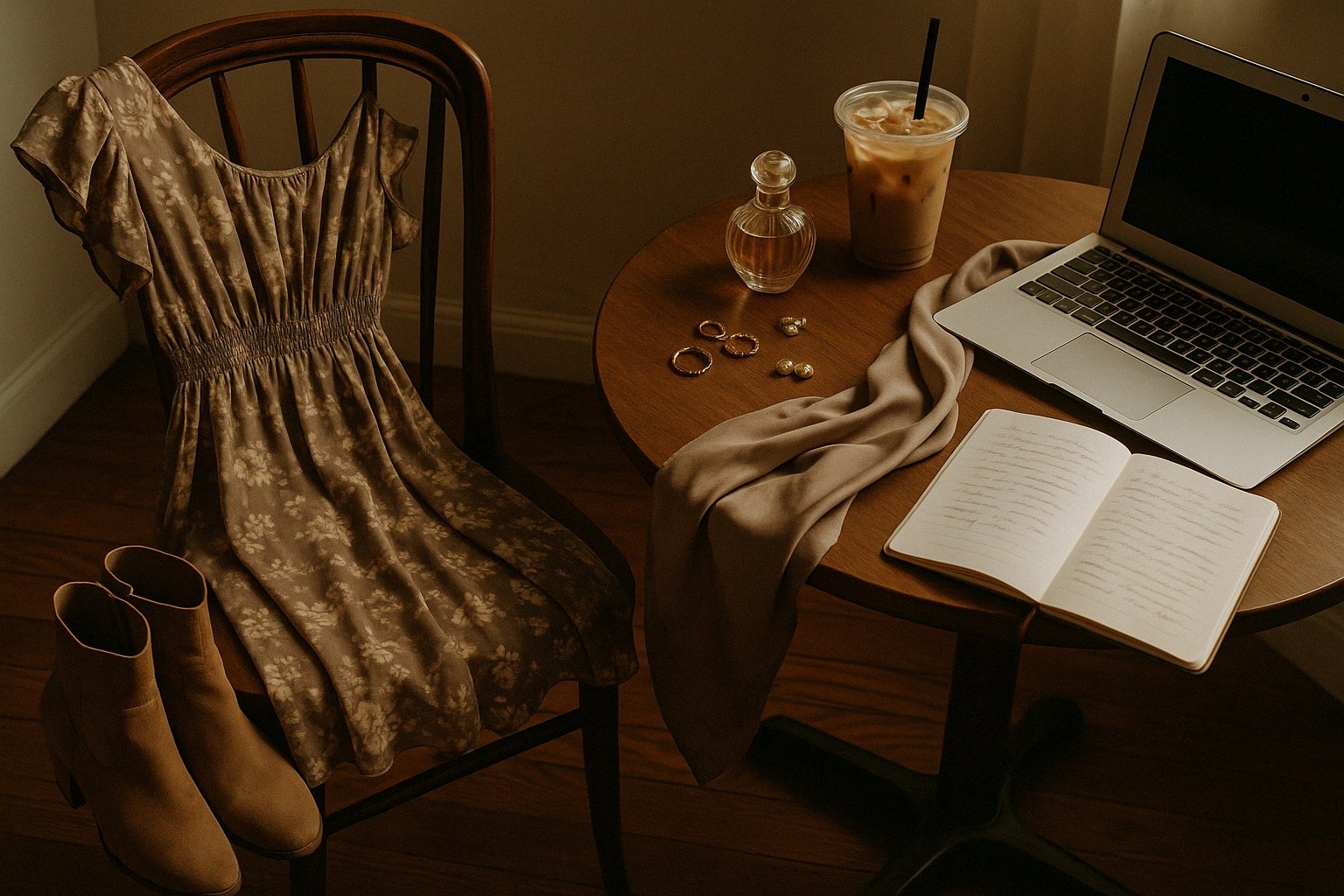
Get Dressed for the Life You Want (Even If You’re Not Going Anywhere)
I should’ve known something was off when I didn’t care that my clothes were dirty—when I ran errands in sagging artist pants instead of the skirts and dresses that used to make me feel alive.
I should’ve realized I was slipping when I stopped washing my face at night, when style stopped being a form of self-expression and started feeling like a chore. I used to dress with intention. And then I didn’t.
During my time as a music photographer, my favorite part wasn’t the lights or the backstage access—it was the outfits. I discovered my personal style during that era, threading pieces together like stories.
My clothes weren’t just fabric. They were armor—soft shields stitched with purpose and imagination.
I remember the leather skirt I found on Revolve, worn the day I photographed a friend who was nursing a broken heart. The crimson crop top from Zara that reminded me of Carnival, which I wore to reclaim my joy after a breakup. The Sam Edelman platforms I thrifted and paired with joggers and confidence.
I was the kind of woman who wore a leather jacket to Trader Joe’s, a dress just to get ice cream. I never left the house without earrings and felt incomplete without my favorite ring.
I daydreamed in taffeta and jade green cashmere, as if dressing up could bring me closer to the version of myself I was trying to become. I’d watch silly reaction videos on YouTube while blending glitter eyeshadow, hoping a little shimmer might lift the sadness—even for one night.
But somewhere along the way, depression crept in and dulled my sparkle. I got lost in the fog and the coping mechanisms that numbed instead of healed.
Rediscovering your personal style after depression isn’t always a montage—it can be messy, slow, unglamorous. My clothes piled into a mountain on my vanity, untouched. Just like the parts of me I didn’t know how to care for anymore.
These days, I’m gently finding my way back to style—not as performance, but as a quiet form of self-care.
On Sundays, I take myself to a café, wearing thrifted designer dresses and suede boots that make me feel beautiful again. On Mondays, I write from my kitchenette table, dressed in cozy lounge sets I found secondhand, with iced coffee in hand and perfume misted just for me.
Reader Suggestion: Dress like someone worth showing up for—because you are
If you’re learning how to dress for yourself when you’re depressed, you’re not alone. When you’re living with mental health challenges, even the smallest acts of care can feel impossible.
It’s easy to say it doesn’t matter what you wear—but how you feel in your clothes does matter. Getting dressed with intention isn’t about anyone else. It’s about showing up for yourself, especially when it feels hard.
Some days I wear a dress when all I want are old sweatpants. Some days I throw on a fur coat when I’m drowning in emotion, just because it feels like a hug.
I wear athleisure to write at home—not for an audience, but because I’m learning to care about how I feel, inside and out.
This isn’t about performing happiness. It’s about choosing yourself when everything in you wants to disappear. That’s where style becomes a form of healing.
Try picking one day a week to get dressed for the version of yourself you’re trying to reconnect with—not for perfection, but for presence.
Spritz your favorite perfume. Make your iced coffee just the way you like it. Sit down at your table—even if you don’t feel ready to face the world.
You don’t need a makeover. You just need a moment of remembering: you’re still here, and you’re still becoming.
 2. Turn Skincare Into Self-Connection
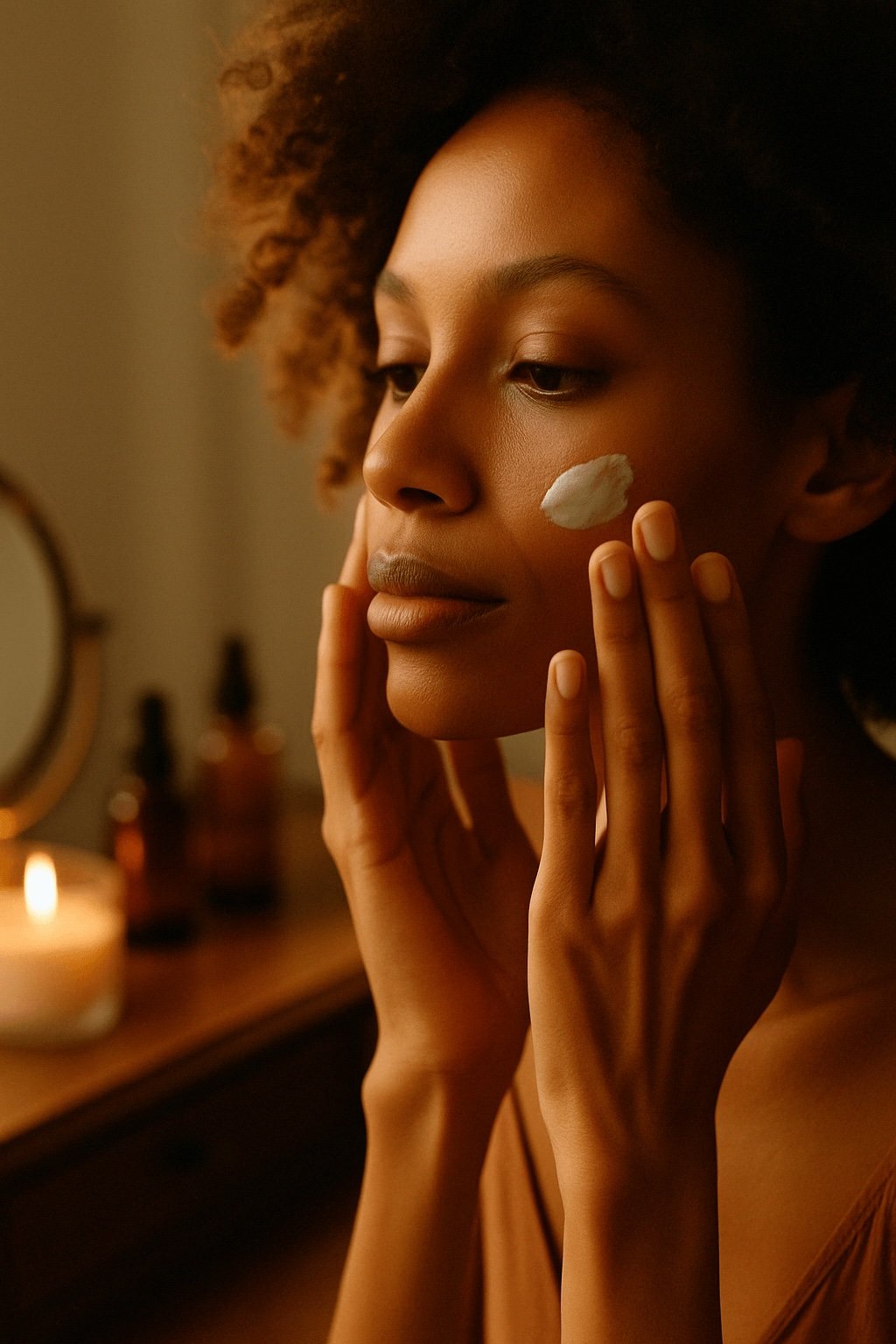 2. Turn Skincare Into Self-Connection
In my blog post Skin Stories: My Soulful Approach to Skincare, I shared the intricacies of my 10-step Korean skincare routine—an ambitious ritual I built during the holiday chaos of 2024, when I was desperate to reclaim the glow I had as a music photographer.
That routine was born from my haphazard attempt to fast-track my tretinoin results—rushing the process instead of building up slowly, the way you’re supposed to. I ended up burning my skin, and the purging was far worse than it would’ve been if I had taken my time. I thought if I layered on an elaborate routine, I’d not only fix the damage—but maybe I’d start feeling better, too.
But depression doesn’t work that way. A serum in a beautiful bottle can’t fix the ache in your spirit or lift the fog that settles over your mind—it can brighten your complexion, maybe, but not your soul.
Back then, my skincare routine was really about escape. It was my way of daydreaming myself out of the quiet misery I had found myself in. I believed that if I curated the perfect lineup—glossy serums, luxury creams, and viral must-haves—I could patch the cracks I felt forming inside.
I wasn’t just chasing clear skin; I was chasing a version of myself I no longer recognized. That skincare routine became a soft cry for a softer life—one pump of product at a time.
Eventually, I let go of that elaborate skincare ritual—because I couldn’t afford it, but also because it started to feel like a chore. What once brought comfort started to feel like pressure. And when my depression deepened, I began skipping entire weeks without washing my face.
So I shifted my approach. Skincare is no longer a routine for me—it’s a ritual of self-respect.
Routines are things we rush through. Rituals are acts of presence. They’re a way of saying: I matter enough to care for myself, even now.
I returned to tretinoin, but I did it right this time—slowly, steadily, week by week, until my skin could handle it every other night.
Because of tretinoin, I radically simplified my ritual—using only what was necessary. No more fluff, no more trends. Just care.
After my skin adjusted, I gradually added new products. I made mistakes—like introducing lactic acid too soon, which caused a flare of hyperpigmentation. So I took it out and returned to the basics. Eventually, I gently added azelaic acid and tranexamic acid once my skin was calm.
And within a few weeks of slowing down and listening to my skin, the hyperpigmentation began to fade.
My skin didn’t just heal—it responded to being heard.
These days, my ritual is minimal and grounded. No more products that cost as much as my light bill. No more chasing after glow like it’s something I have to earn.
Just care—quiet, simple, and consistent.
What surprised me most wasn’t how my skin changed—it was how this ritual helped me keep showing up for myself. Even on the hardest days.
Depression made basic hygiene feel like climbing a mountain. But now, this skincare practice has become a gentle act of defiance. A small but meaningful way of saying: I’m still here.
Sometimes, that’s all grief asks of us—to stay, to tend, and to keep going in the smallest ways.
Washing your face, applying moisturizer, showing up for your skin becomes a form of prayer. A way to whisper: you deserve softness, even now—especially now.
When my mind was chaotic and my emotions felt too loud to name, I could still remember to cleanse. To pat in serum. To take two minutes and not abandon myself completely.
Skincare didn’t cure the sadness—but it gave me something to hold on to. A tiny moment of peace. And when you’re grieving—whether it’s a person, a place, or a version of yourself—that moment means everything.
Romanticizing your life when you’re depressed isn’t about pretending you’re not in pain.
It’s about learning to live alongside it. To reach for beauty even when the world feels dark. To still care. To still try.
Reader Suggestion: Small Skincare Rituals That Can Help You Feel Human Again
Maybe you’re there right now—going through the motions, moving through your days with a weight in your chest, unsure how to care for yourself when even brushing your teeth feels like too much.
If that’s you, I want to offer this gentle reminder: start small. Not for perfection. Not for productivity. But as an act of quiet kindness toward yourself.
These skincare tips for depression aren’t about aesthetics. They’re about reminding yourself that you’re still worth caring for—especially when you don’t feel like it.
1. Let cleansing become a reset, not a requirement:
If washing your face feels overwhelming, turn it into a moment of mindfulness. Play your favorite song, feel the warmth of the water, and treat it like a soft restart—not something you have to do, but something that helps you feel a little more grounded.
2. Use your favorite product, even if it’s just one:
Whether it’s a silky moisturizer or a rose-scented serum, let yourself use the “good stuff.” Not because you’ve earned it, but because you’re worthy of gentleness—exactly as you are.
3. Create a two-minute nighttime ritual:
No pressure for a 10-step routine. Just two minutes. Splash your face. Moisturize. Look at your reflection without judgment. Let that tiny window of time be your I’m still here moment.
It doesn’t have to be glamorous to be sacred.

Move Like You’re Strong (Even If You Don’t Feel It Yet)
I’m on the seated leg curl machine, headphones in, face flushed, overthinking everything—how I look, who’s watching, why I even came.
But I press the weight down anyway. One more time.
Then I move to the glute drive, lie back, and catch my reflection in the mirror. My social anxiety is screaming, my body is trembling, and the girl staring back doesn’t feel like me—but I finish the set anyway.
I power through my leg day routine while listening to a metal band on YouTube called Citizen Soldier. They sing about mental health, suicide, and depression—lyrics as haunting as the kind of sadness you can’t explain, with drum solos that spiral like the chaos in your brain when you’re fighting to stay above water.
Their music matches the noise depression makes when it tries to drown you.
Sometimes I feel like I could’ve written those songs myself—about the pain of just getting out of bed, the voices that whisper I’m not enough, and the heaviness that makes even breathing feel like labor.
I loop their tracks while lifting weights, right alongside the playlist I made for The Bohemian Bungalow—a quirky mix of Michael Jackson, Fleetwood Mac, and retro bangers that lift my mood when nothing else will.
I’ve been going to the gym consistently since February, lifting weights since March. I used to be an avid lifter years ago, though my routine had its ups and downs. But in 2023, after a hospitalization for a potentially life-threatening illness, I quit entirely.
It was the kind of break that left me disconnected not just from fitness—but from my own body.
Back when lifting was everything, I was obsessed. I watched fitness YouTubers religiously, read Men’s Health and Bodybuilding.com, learned how to track macros, and spent hours dreaming of sculpting the strong body I always wanted.
Then life shifted.
I became a music photographer. The discipline and structure I once thrived in were quickly replaced by all-nighters, greasy diner food, skipped meals, too much alcohol, and nights spent editing photos until sunrise. My circadian rhythm collapsed. Health fell by the wayside.
Now, even the idea of walking to the bus stop, entering the gym, stashing my bag, warming up—and then actually working out—can feel like a mountain.
On those days, just showing up feels like a win.
I want to be consistent. I want to be her—the woman I picture in my mind, the strong, radiant version of myself.
But some days, the urge to crawl under a blanket and disappear is stronger. I’m in a constant tug-of-war between the life I’m rebuilding and the one depression wants to keep me trapped in.
Here’s what no one tells you about working out with depression: it’s not just about results.
It’s about survival.
Depression strips away motivation. It turns brushing your teeth into a milestone. It convinces you that even trying is pointless.
You feel disconnected from your body. Your mind becomes your biggest critic. And your will to keep going begins to leak out slowly—like a pipe no one noticed was broken until it’s already flooding the floor.
But healing through movement is real.
I’ve learned that improving mental health isn’t just about therapy or medication. Sometimes, it’s as simple (and as difficult) as showing up for yourself when you’d rather disappear.
It’s doing the dishes after three days of avoidance. Taking a shower after four. Dragging yourself to the gym when every cell in your body begs you to cancel.
And then doing it again tomorrow.
That’s how exercise became a form of medicine for me. I go to the gym five days a week now—not because I always want to, but because moving helps me feel better.
It lifts the fog. It pulls me back into my body. Even when the progress is slow, it’s still progress.
It’s not always graceful. Some days I push too hard. I want results yesterday, and I end up hurting myself.
But I’m learning to listen to my body instead of punishing it. I’m learning that true strength comes from showing up, not pushing through pain.
Some days I wake up excited to lift. Other days, my eyes glaze over at the thought of leaving the house. But I go anyway.
That’s what fitness motivation during depression really looks like—going anyway.
Reader Suggestion: Making moves, even when it’s not pretty:
Romanticizing your life isn’t always soft or aesthetically pleasing. It’s not candlelit yoga sessions or perfectly coordinated gym outfits.
Sometimes, it’s raw. It’s gritty. It’s crying between sets and still finishing the workout.
It’s training like a fighter before a match—tired, aching, but refusing to quit. It’s messy. It’s hard. But it’s yours.
You become the underdog in your own story—the comeback kid no one saw coming. Not even you.
So what does that look like for you?
Maybe it’s not the gym. Maybe it’s getting dressed and walking to the corner café. Maybe it’s tidying one corner of your room. Or just stepping outside and letting the sun hit your skin.
Whatever it is—move. And let it be yours.
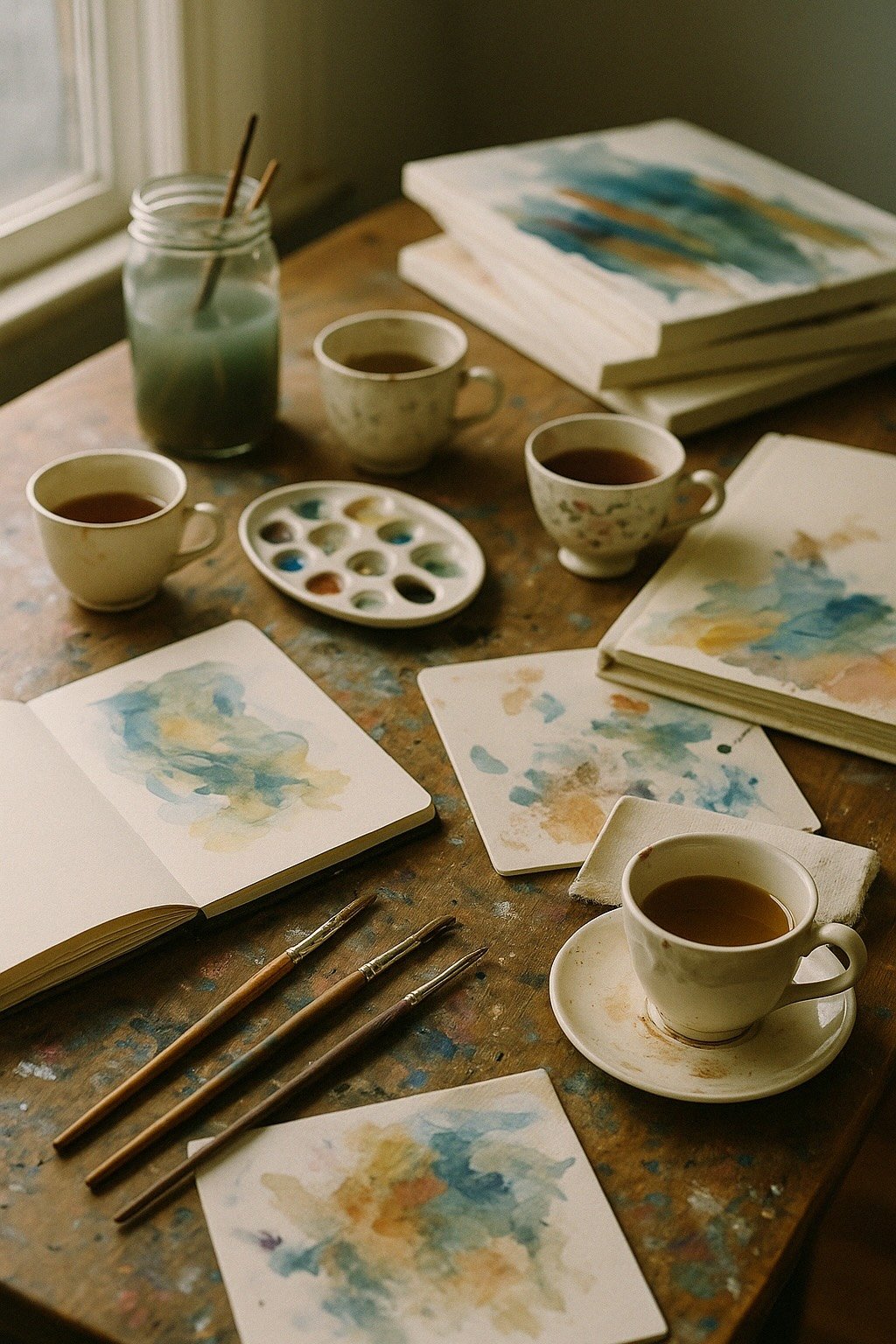
When Creativity Becomes a Lifeline
My hobbies have always had a funny way of saving my life when I least expected them to.
Like the time I went on a 90-day dating fast in 2019—after a string of bad dates and worse men—and picked up painting just to pass the time. I ended up falling in love with painting more than I ever did with any man from that chapter of my life.
I didn’t realize it at the time, but painting during that dating fast was my first act of emotional rescue. I’d been spiraling in disappointment and shame, and without even meaning to, I gave myself something far better than a relationship—purpose.
I painted when I was happy, I painted when I was sad, and I knew it was more than just a hobby because I kept painting even on the days I didn’t feel like it. A year later, I sold my first piece—and the feeling was better than any date I’d ever been on.
That wouldn’t be the last time painting carried me through heartbreak.
Painting rescued me again when my life as a music photographer started to crumble.
The unraveling didn’t happen all at once—it began quietly, after I stepped away from the scene for a few weeks following a breakup. When I returned, something had shifted. The friends I had made barely acknowledged me. It was as if my presence—and my photos—had been erased.
I walked through familiar venues, camera slung across my neck, but I no longer felt seen.
At first, music photography felt like a shooting star: fast, bright, intoxicating. The recognition, the glitz, the late nights spent partying and snapping photos—it made me feel electric, like I was riding a high I never wanted to come down from.
But nothing prepared me for the crash.
Over time, the sparkle dimmed. The pressure crept in. The egos got louder. The joy I once felt got buried under hangovers, whispered gossip, and bad decisions with men who never really saw me.
Most of my work went unpaid, and the recognition I got in place of payment couldn’t pay rent. When my camera shutter finally broke, I couldn’t even afford to fix it. My dad had to step in and help cover the cost.
That was my wake-up call.
That’s when I learned something essential: I had poured so much of myself into every photo, every connection, every late night—but in the end, it felt like no one even noticed. No one valued my work enough to pay me for it.
What I needed wasn’t more attention—it was self-respect.
So I quit.
And this time, I returned to painting—not for validation or clout, but for peace. For grounding. For my own sanity.
I didn’t realize it at first, but I was coming home to a part of myself I had buried beneath sequins and performance—the part no one saw on Facebook. The part of me that wasn’t curated.
The real me.
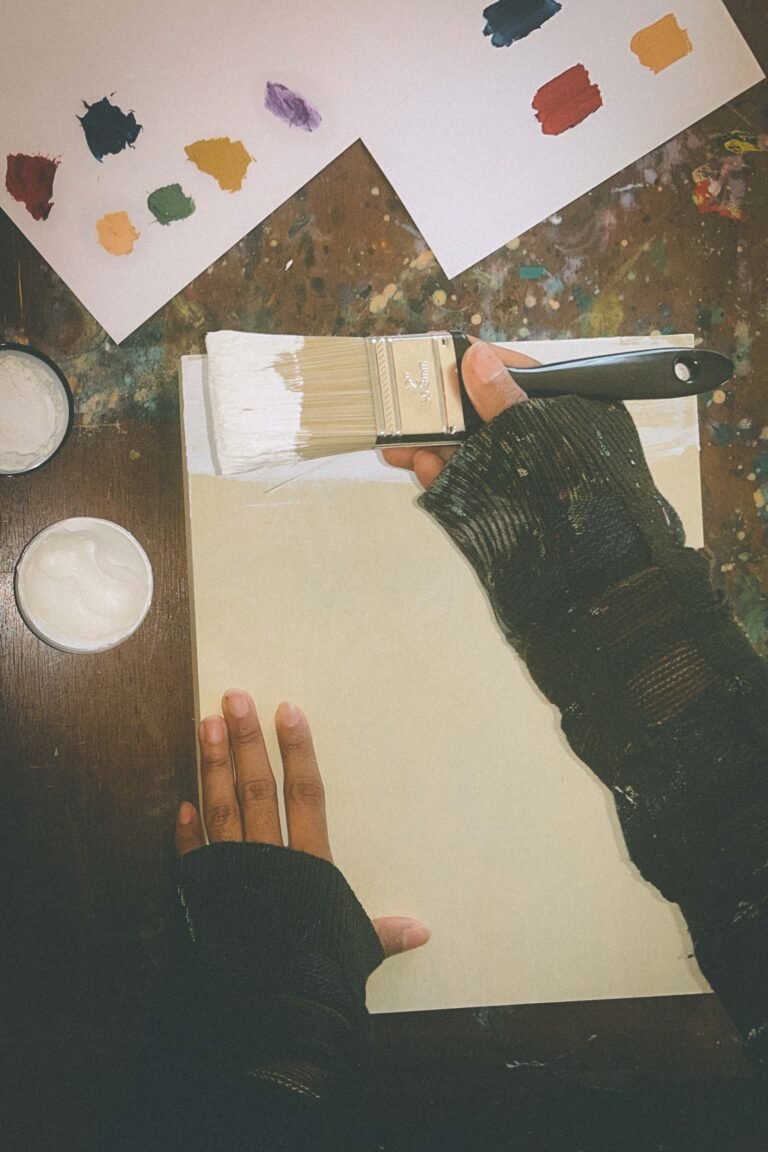
After two full years, I picked up a paintbrush again. It was early winter 2023, and I found myself holed up in my apartment with my old supplies, quietly grieving everything I had lost—my career, the woman I thought I had become, and the identity I had tied so tightly to the photos I took.
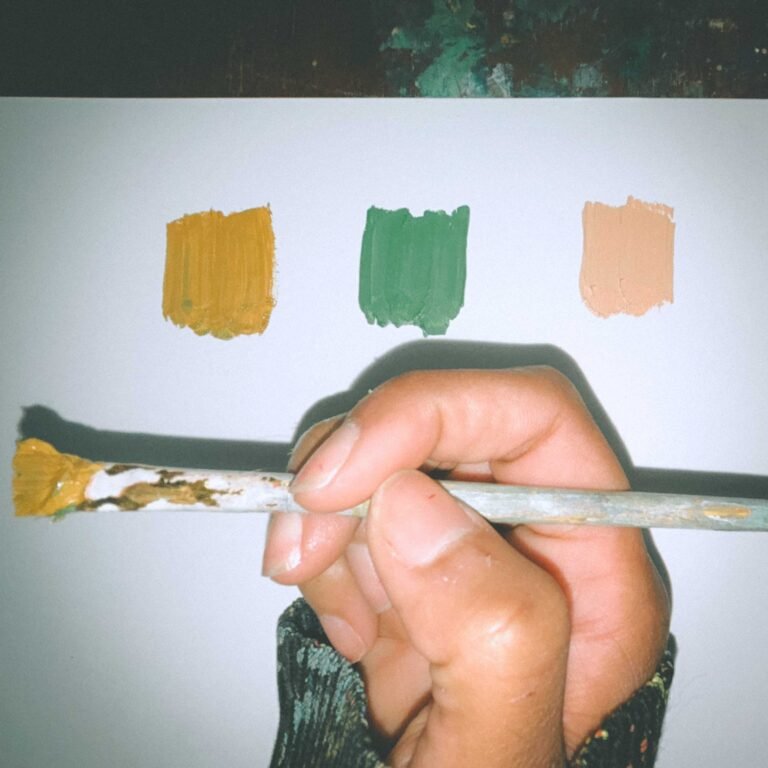
I painted through the grief, letting color and shape speak when I couldn’t. It was just me and the brush. Each stroke a kind of prayer. The clouds of color carried the weight of my story—every high, every heartbreak, every quiet unraveling.
I’d love to say that painting healed everything, but life doesn’t offer those kinds of clean resolutions.
I lost my apartment shortly after. I packed up my brushes along with the rest of my life and moved back home to New York.
For a while, I stopped painting again—until one hot summer day in 2024, when I stumbled across some old art supplies at a tag sale. That little spark was all I needed.
Soon, my aunt and uncle’s backyard became my makeshift art studio. I painted through the humidity, the quiet ache of starting over, and the heavy weight of trying to put my life back together.
And if you’re in that quiet, in-between place yourself—grieving, healing, or just trying to make it through another day—I hope my story reminds you of something important:
You don’t need a plan to come back to yourself.
Sometimes, the first step toward healing is simply picking up an old love and letting it hold you.
Reader Suggestion: Tiny Hobbies, Tender Healing
If you’re feeling lost, burnt out, or stuck in a depressive fog, creative hobbies can become a gentle lifeline. You don’t need to be talented. You don’t need fancy tools. You just need a spark—and a willingness to follow it, even if you don’t know where it leads.
1. Revisit an old love:
Think back to the things you loved before life got heavy. Maybe it was doodling in the margins of your school notebook, snapping moody phone photos, or writing poems no one ever read. Try one of them again. Not to be great at it—just to feel something. Let it be messy. Let it be yours.
2. Pick one low-pressure hobby and flirt with it:
This isn’t about creating a brand or monetizing your creativity. Pick something low-stakes and fun—like rearranging your bookshelf, pressing flowers, or learning how to embroider while watching your favorite comfort show. Think of it as play for your imagination.
3. Make something just for you:
Don’t post it. Don’t perform it. Don’t even overthink it. Let it exist in the privacy of your own world. Hobbies for mental health don’t need an audience—they just need your attention.
4. Let it keep you company:
Even if it doesn’t fix anything, your hobby can hold you while you heal. Let it fill the silence. Let it give your hands something to do while your heart catches up. You don’t have to be healed to create something beautiful.
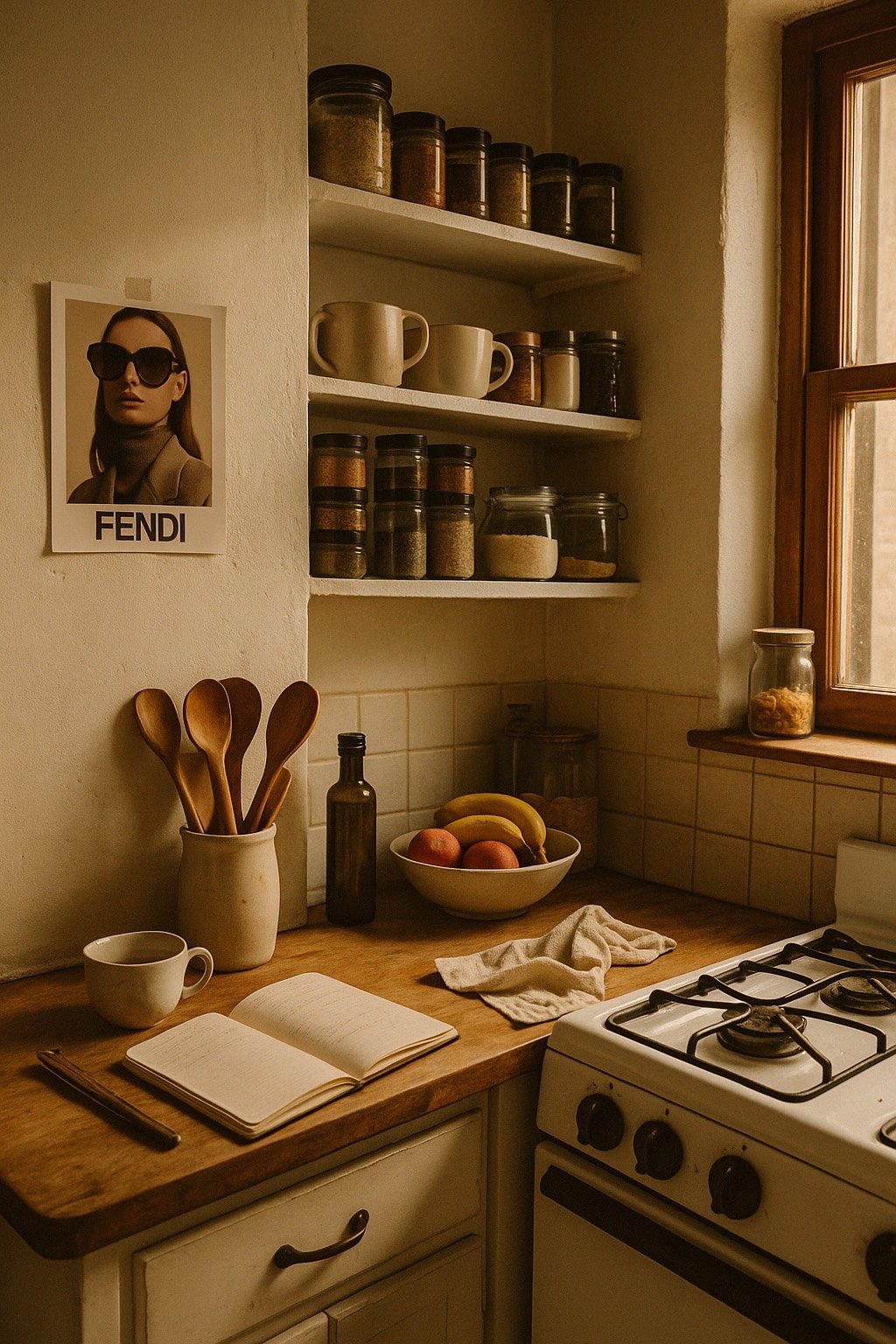
5Cook Like You Deserve Nourishment: Self-Care Through Food
I used to believe that cooking with love meant cooking for someone else.
It was the fried chicken I made for a potluck—carefully dredging each piece in flour, watching the oil shimmer in my cast iron skillet, timing every fry to perfection. It was the mac and cheese baked in my Le Creuset dish with the ornate lid—the kind that crackled golden on top and disappeared in minutes. It was the Korean BBQ chicken I made for my family after moving back to New York, nervously watching their faces for approval.
Cooking back then meant being perfect.
Making everything look perfect.
Being enough through a plate of food.
These days, cooking looks different. It’s quieter. Imperfect.
It’s healing through food—making dinner for myself after the gym or a long day, not because I have to, but because it brings me back to center.
It’s peeling sweet potatoes and roasting them with cinnamon and paprika until the edges caramelize like candy. It’s garlic sizzling in olive oil while I toss in spinach until it wilts like silk. It’s shredding chicken with my hands and layering everything into a warm, nourishing bowl.
Sometimes I add hummus, a few crumbles of goat cheese, a squeeze of lemon, or a dollop of avocado—if I have it. I sit at my tiny kitchenette table, blood orange soda over ice, and let the food ground me.
It’s not perfect.
But it feels like care.
As I cook, I let my imagination wander. I picture myself sun-kissed and barefoot in Santorini, dressed in white linen, stirring something simple but beautiful on the stove.
My New York kitchen—with zero counter space and a Fendi ad taped beside the pantry—becomes my dream kitchen, even if only for the time it takes to sauté garlic and plate something that feels like a small escape.
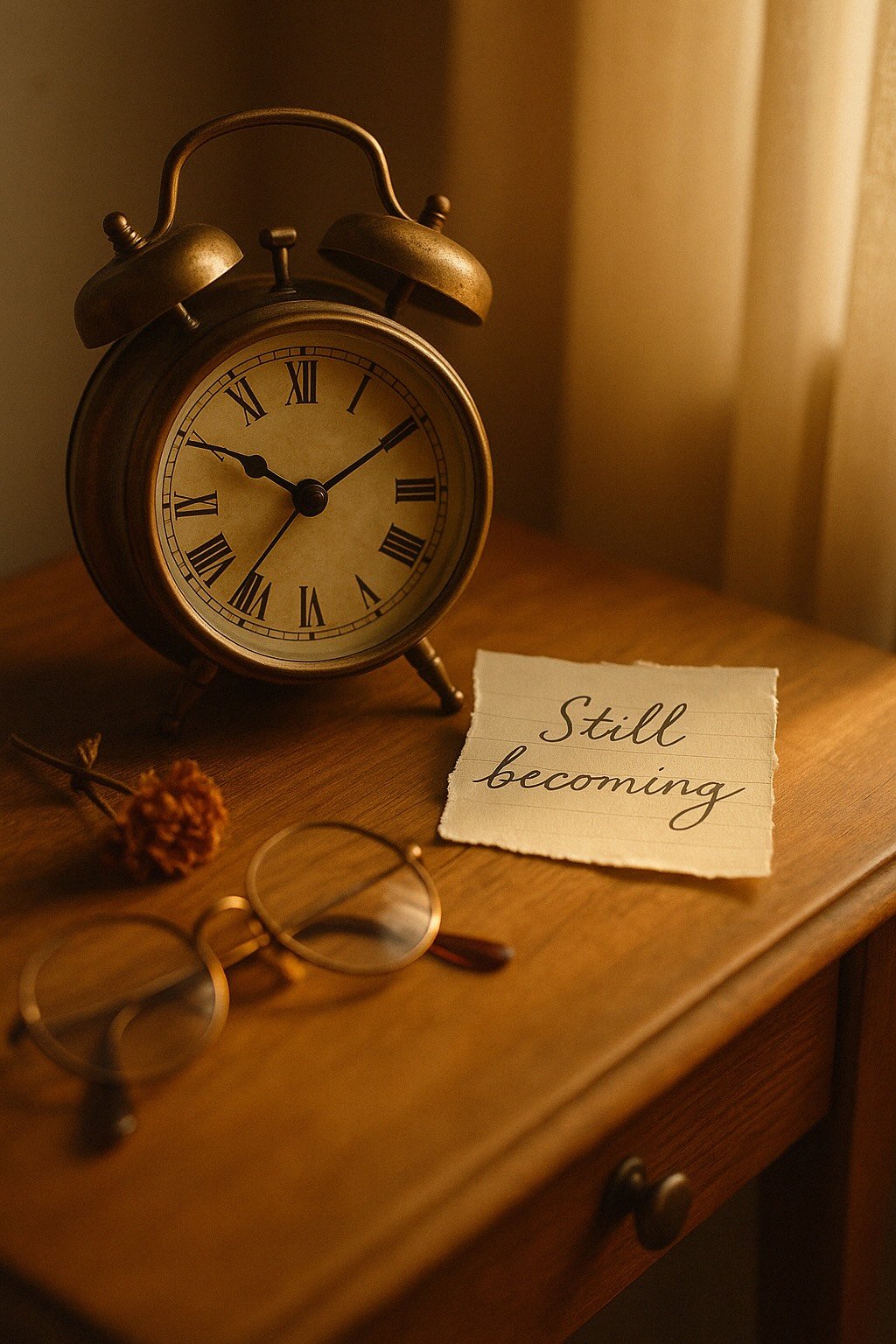
Start Where You Are
Romanticizing your life isn’t about escaping the sadness.
It’s about learning how to live alongside it—how to carve out joy in the everyday, even when your heart feels heavy.
It’s the quiet bravery of showing up for yourself in small, imperfect ways.
You don’t need to reinvent yourself overnight.
You don’t need a fresh start.
You don’t need a Pinterest-perfect kitchen.
All you need is a single act of tenderness.
A bowl of something warm.
A little lemon.
A soft moment that says:
You’re still here.
And that’s enough.
Start where you are.
That’s where the magic lives.