How I’m Prepping for My New York Art Show on a Shoestring Budget
The story of preparing for an art show on a budget. A story about resourcefulness, making it work with limited resources, and getting savvy on a shoestring budget.
How I’m Preparing for My New York Art Show on a Budget
Putting on an art show in New York might sound glamorous, but the reality is far less romantic—it’s expensive, stressful, and demands a lot of creative problem-solving. Especially if you’re an emerging artist on a budget trying to figure out how to prepare for an art show without big funding or the backing of a formal gallery.
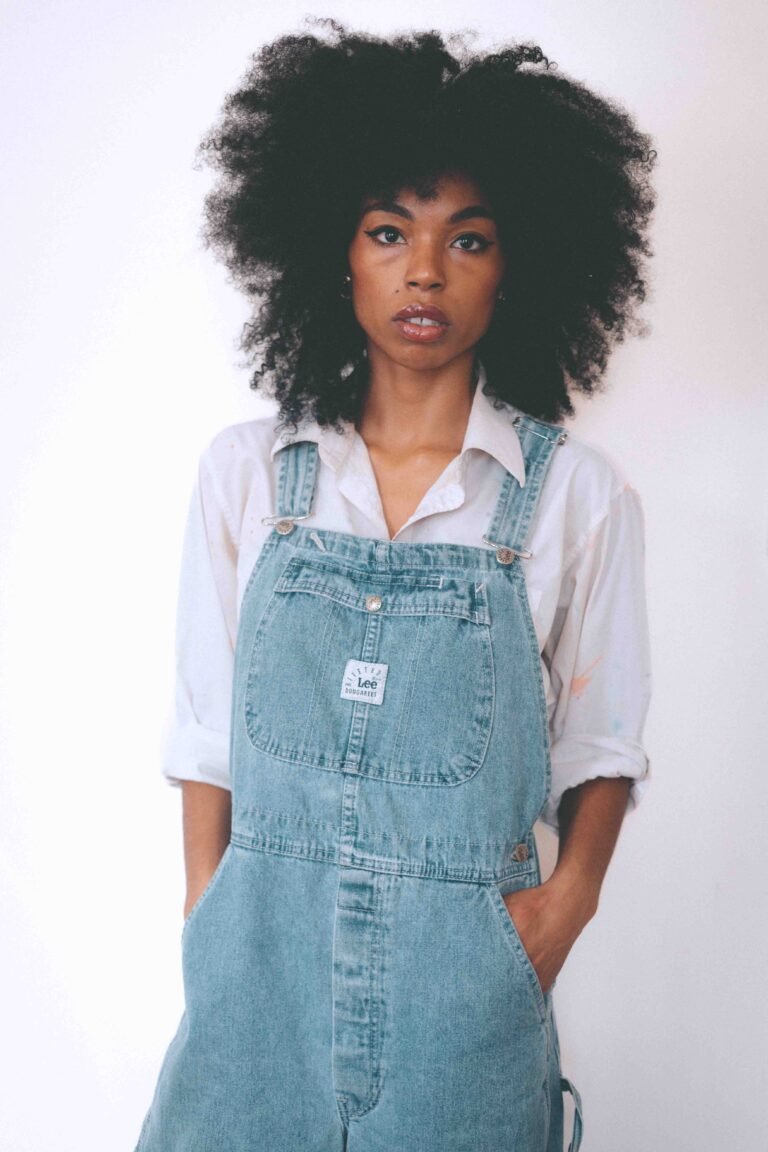
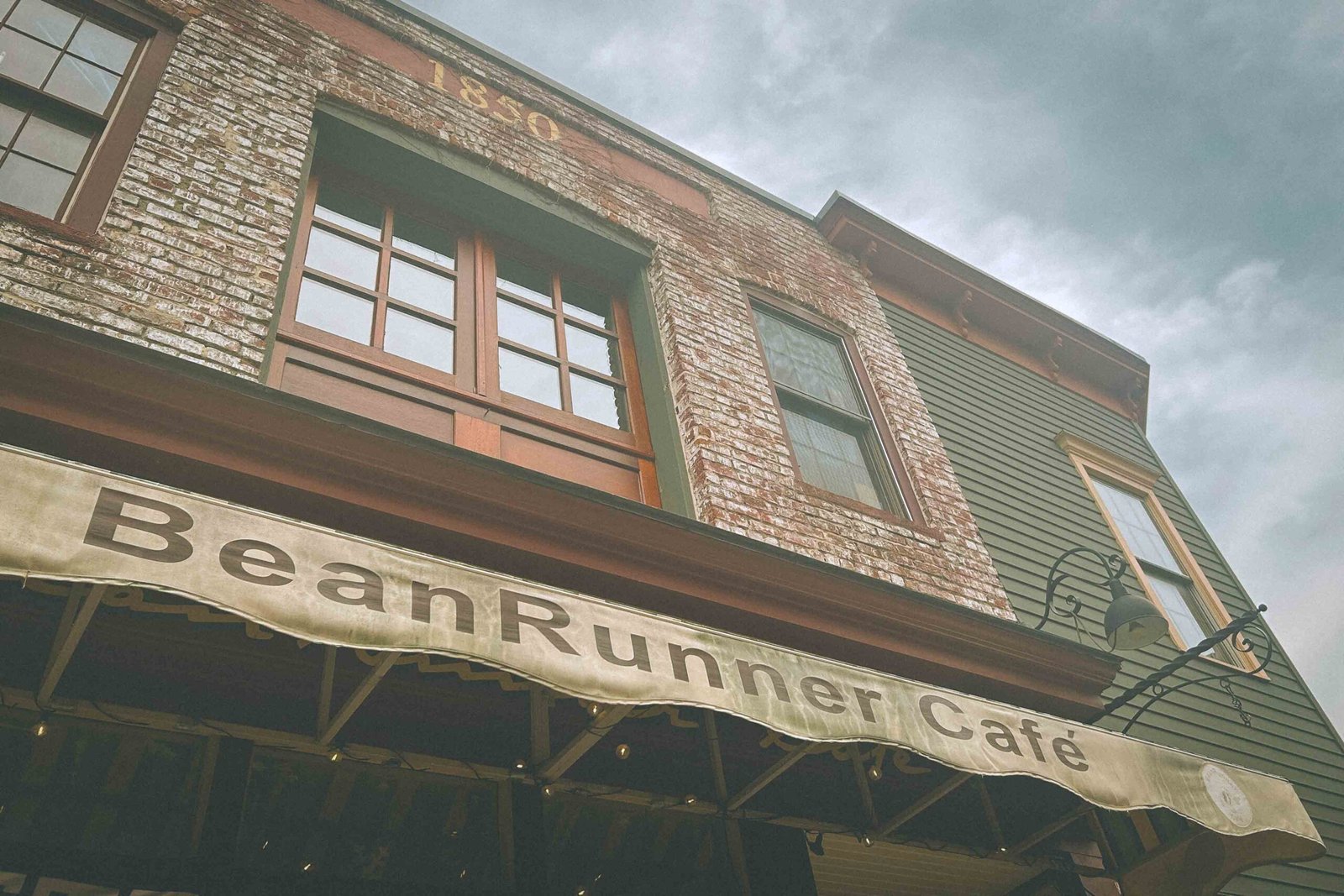
This summer, I’m getting ready for my first solo New York show, hosted in a busy downtown café in an up-and-coming artist city in the Hudson Valley. It’s my second exhibition overall; my first was back in 2021 at the historic YMI Cultural Center in Asheville, North Carolina, in the heart of that city’s Black cultural district. I’ve grown so much since then—as an artist and as a woman. My style has evolved, and I’m genuinely excited to share that creative transformation in this new space.
What many people don’t realize is that putting on an art show is not only time-consuming but costly—even on a small scale. I want to share exactly how I’m making it happen on a shoestring budget—not in some perfectly curated “look at me” way, but with real honesty and a little grit.
I like to think of myself as resourceful: a working artist who knows how to turn humble materials, thrifted finds, and limited resources into something meaningful and beautiful.
If you’re an artist wondering how to exhibit your work without a gallery or how to pull off an affordable art show, I hope this gives you some practical ideas—and maybe a little encouragement to make it happen anyway.
The Hidden Costs of Putting on an Art Show (and How to Budget for Them)
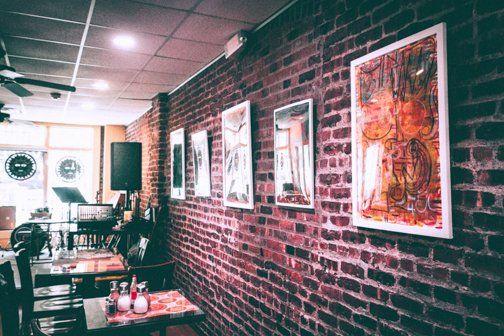
Even a small café show racks up art show costs surprisingly fast. If you’re budgeting for an art show or wondering how much an art show really costs, here’s a look at the real expenses I’m facing:
Frames alone can feel like paying a second rent—and that doesn’t even include the picture-hanging wire you need to actually get them on the wall. Some of my work are on canvases and I prefer gallery wrapped canvases, a good quality gallery-wrapped canvas aren’t cheap and I wait for BOGO sales to get a good deal. Canvases also need hanging hardware.
Then, there’s printing artwork descriptions, signage, and business cards adds up quickly. This doesn’t include the time it takes to create all of this. During art shows, time is as expensive as the supplies themselves.
You can’t forget the art supplies themselves. Paint, oil mediums, and paper aren’t cheap, especially when you’re creating multiple new pieces. I have expensive taste in paper (I love archival-quality Arches), but for this show I chose a pad of Strathmore instead—it comes with 12 sheets and is a size that’s easier and cheaper to frame. It also gives me buffer room to create works that end up in the rejection pile. The downside with Arches paper is that it’s expensive and this creates an unsustainable pressure to create only masterpieces and no duds.
The cafe is two towns over so I need to think about transportation. Transporting large pieces—some as big as 48 by 60 inches—requires planning, materials, and holding my breath hoping nothing gets damaged on the way. And finally there’s just life: groceries, my monthly phone bill, utilities, rent, prescriptions. None of that pauses just because you have a show coming up.
People often imagine artists painting in blissful, romantic solitude, where money doesn’t matter and passion alone pays the bills. In reality, we’re budgeting for art shows down to the last dollar. Some of us juggle day jobs, others live on a fixed income. We’re making supply runs to OfficeMax, clipping coupons at Michaels, and consuming copious amounts of coffee just to keep up with the demands—and avoid total burnout.
Repurpose and Reuse: Affordable Art Show Tips for Reusing Your Artwork
One of the most effective affordable art show tips I can share is simple: repurpose and reuse what you already have. Including existing pieces in my show is one of the biggest ways I’m saving money on art show prep. It keeps art supply costs low and saves time—which is crucial when you need to fill an entire café with artwork.
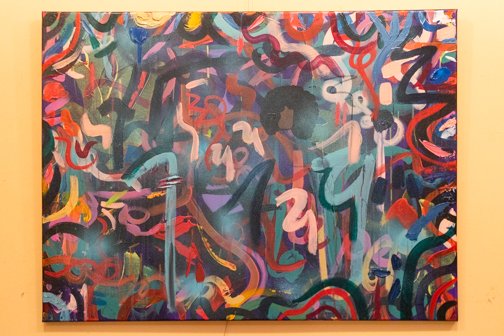
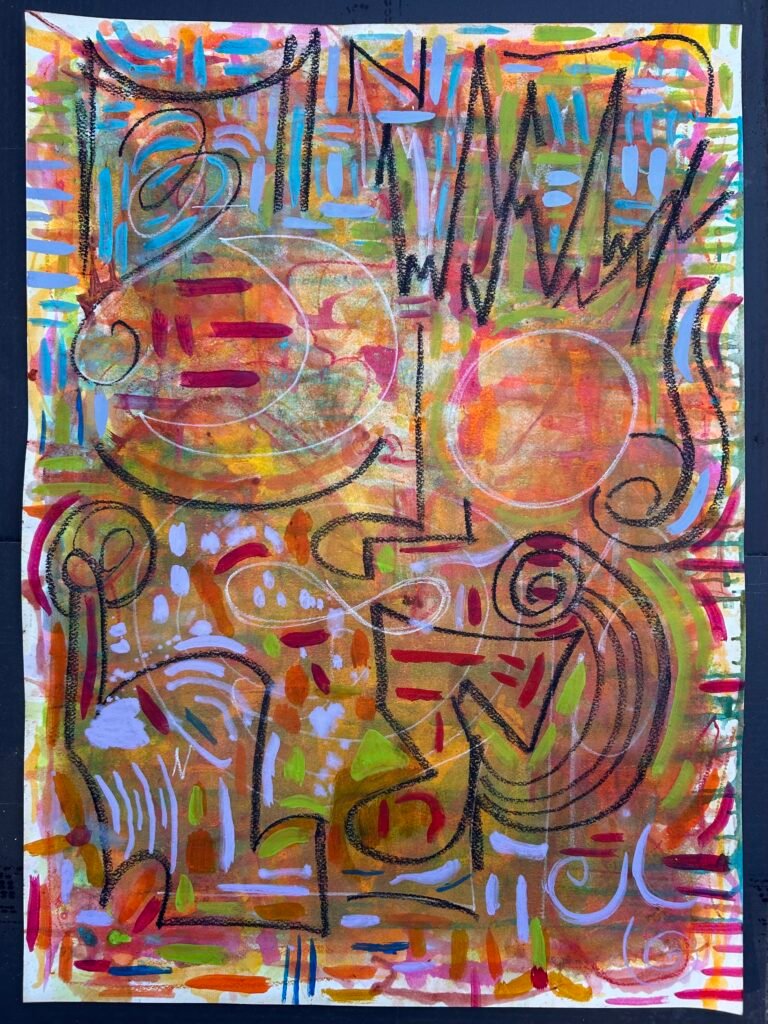
Some of these pieces are large canvases from my 2021 debut exhibit in Asheville, “Moods: Life, Love, and Womanhood.” My style was different then, leaning heavily into Jackson Pollock–inspired techniques. For this show, I’m carefully repurposing art that fits the new theme, thinking like a curator to give older work fresh context and meaning. Right now, those paintings are leaning against my art table, protected under a paint-splattered bedsheet. Their larger size will help fill the café walls more easily, reducing how many new pieces I need to create.
I’m also revisiting work I made last summer, along with unfinished or even abandoned pieces. I’ve learned that sometimes all a “failed” painting needs is a new composition or fresh layers of paint to come alive.
For me, preparing for an art show on a budget isn’t about making everything brand new and perfect—it’s about being honest with where I am and showing the true evolution of my work.
Creative Art Studio on a Budget: Making a Small Space Work
Storage in New York apartments is minimal, so I’ve had to get creative with my artist studio setup.
My studio is really just a carved-out corner of my one-bedroom living room—open-concept and furnished entirely with thrift-store scores and roadside finds. It’s small, but it’s mine.
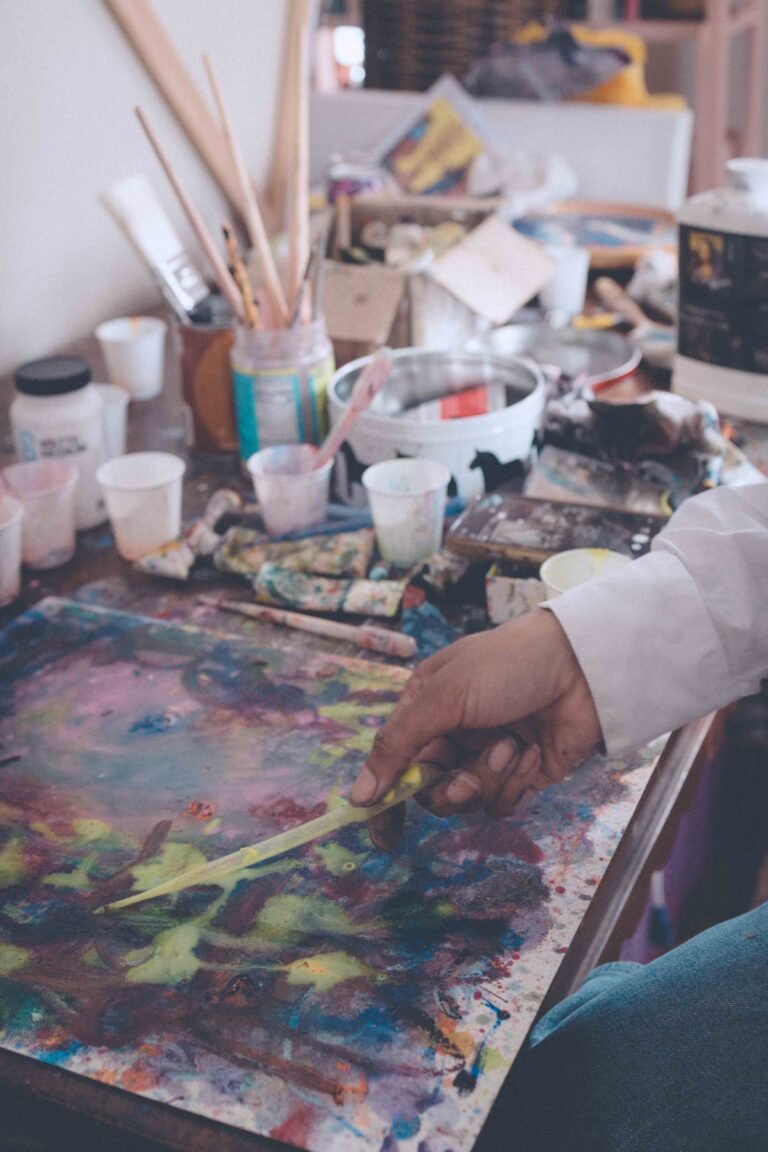
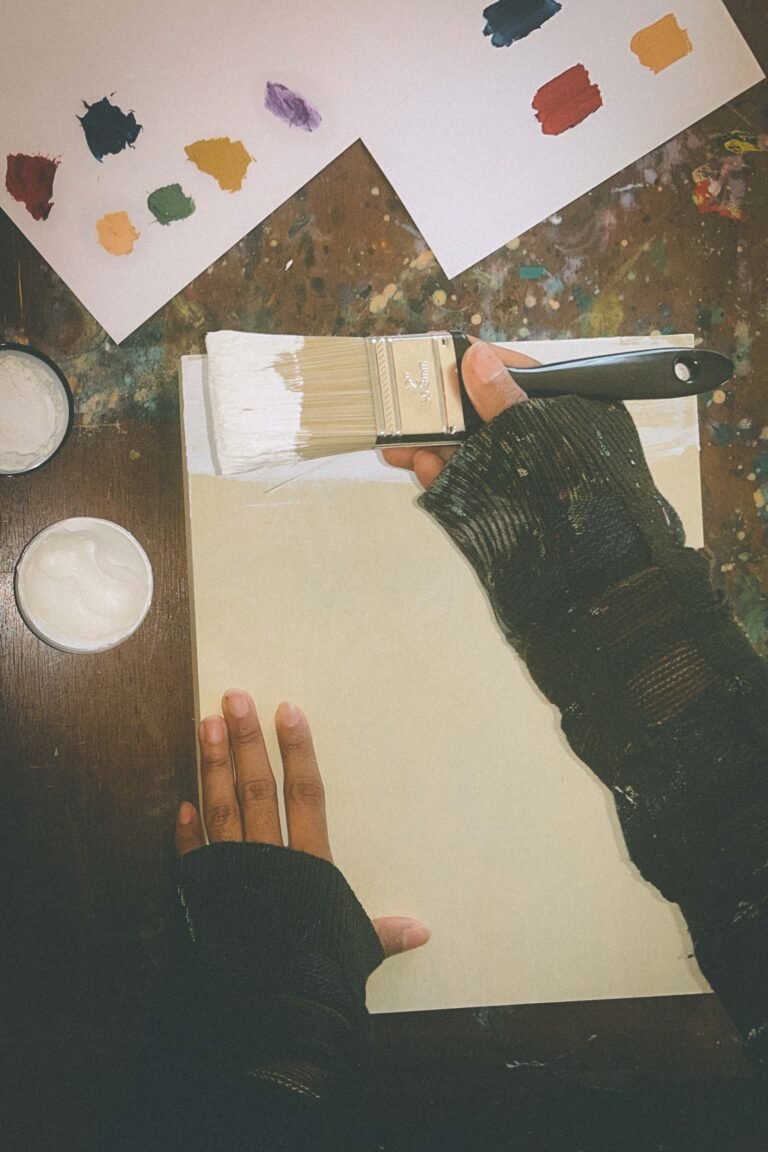
The centerpiece is an old art table I rescued from the hallway of my former apartment building. Scarred with dried paint and deep scratches from whoever used it before me, it acts as a makeshift room divider and is always covered in works-in-progress, gnarled tubes of paint, and paintbrushes on their last legs.
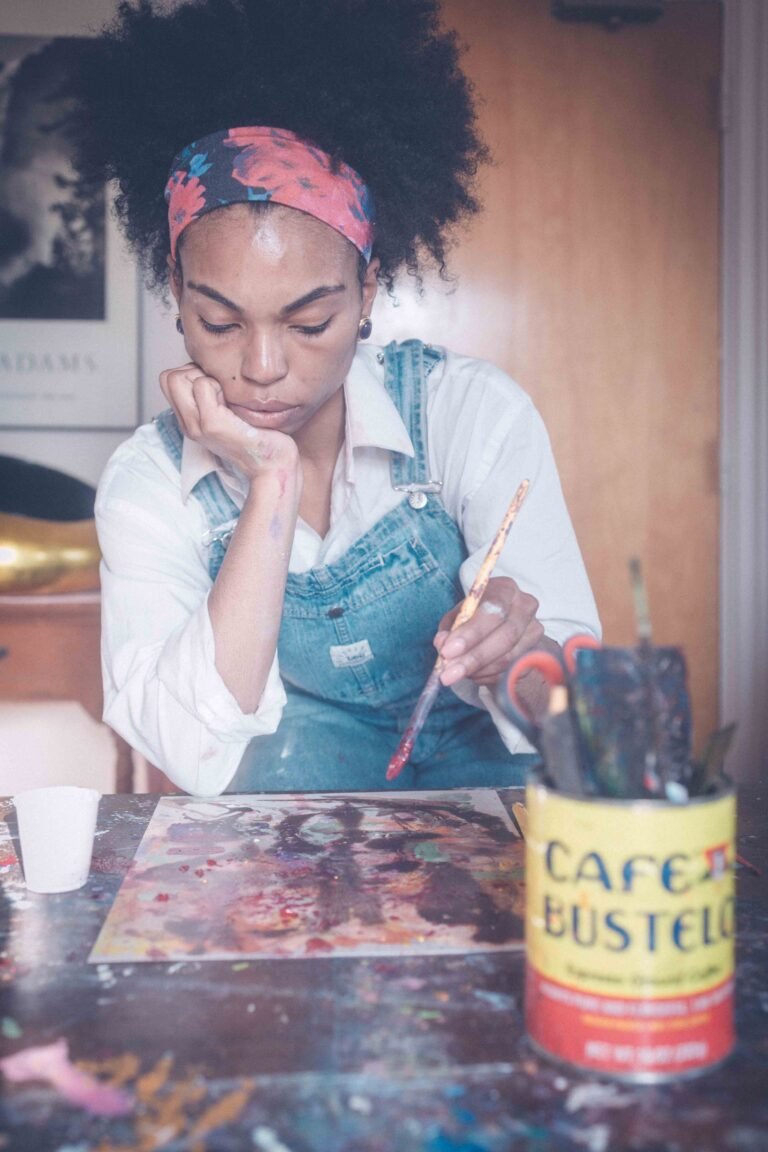
My bamboo garment rack no longer holds coats—it’s now my drying rack. Large canvases lean against the art table, while my solid-wood desk sits pushed against the wall by the front door. Between them is a floor easel resting on tarps layered with years of paint. Dental cups of oil paint cluster around the easel, while stained pipettes, old tins of acrylic inks, and a Pyrex measuring cup for mixing watercolors are scattered everywhere. Brushes fraying from overuse lie abandoned nearby.
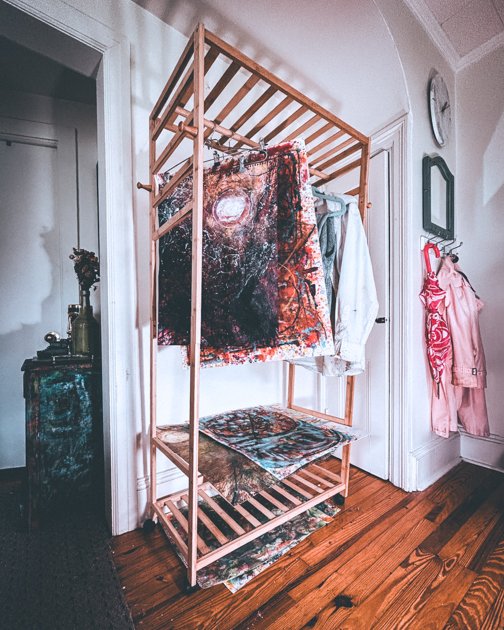
One of my most valuable time-saving techniques is working on multiple pieces at once. That’s where my floor easel and art table become invaluable—I can have two or three paintings in progress at the same time. When I run out of ideas or need a break from one, I can switch to another. Oils take time to dry anyway, so I keep the momentum going by rotating between pieces. I move finished layers to my bamboo drying rack and bring others back to the table. It’s like a small-scale production line of paintings, allowing me to stay creative and productive even with tight deadlines.
Another reality of art show prep is that my apartment is a cluttered mess. There are the Amazon boxes with frames by the kitchenette table, the paint tubes and dental cups littering the floor, and my paintings stacked on the drying rack. Honestly, I’m often too tired or busy to tidy up. I prefer to leave everything as-is so I can pick up right where I left off. My apartment is in need of a deep cleaning and once everything is ready to go, I will be cleaning up my art supplies and taking a break from painting until my show is over.
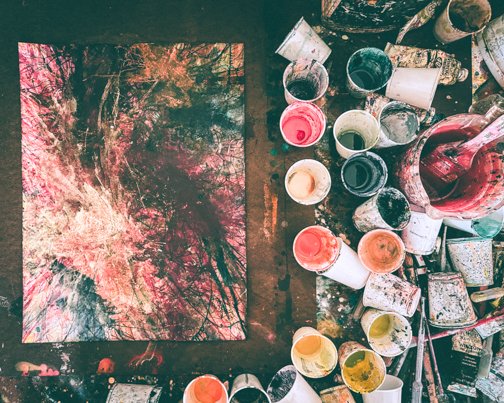
This is the unvarnished reality of art studio organization in a small space: you make it work with what you have. It’s proof that you don’t need a huge budget or perfect conditions to create meaningful work—just a little ingenuity and a willingness to adapt.
DIY Art Show Tips: Affordable Framing and the Power of Community Support
I’m all about DIY art show tips and finding ways to save, but that doesn’t mean doing it all alone.
Framing was one of the biggest expenses I faced while planning this art show on a budget. I work on watercolor paper instead of canvas because my technique doesn’t suit pre-gessoed surfaces, and raw canvas has archival issues. Watercolor paper is a solid alternative, but the downside is that every piece has to be framed to hang.
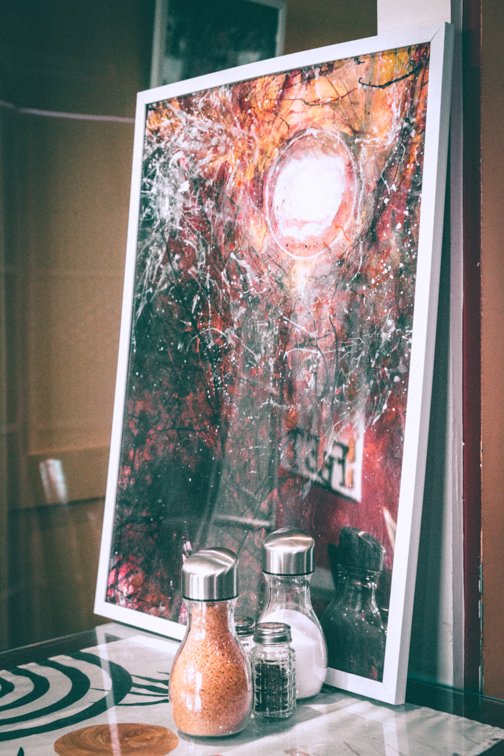
I researched every affordable framing for artists method I could find, but ultimately chose sleek white frames to stand out from the traditional black most artists use. I found them on Amazon in bulk to save money and even designed my pieces to fit standard frame sizes instead of the other way around. Still—it was a significant expense.
This is where I’m incredibly grateful for community support. My aunt and uncle offered to help cover the cost of frames. Without their help, the show wouldn’t look the way I envision it. Honestly, I might not have been able to afford to put it on at all.
I think it’s important to say this out loud: being resourceful isn’t just about doing everything yourself. It also means being willing to ask for and accept help when it’s offered. Art is often seen as a solitary pursuit, but in reality, it’s held up by community.
If community support for artists isn’t accessible to you, look for thrift stores and secondhand art supply shops. It might take multiple visits, but you can often find frames and supplies at much lower costs. Alternatively, you can buy secondhand frames first and then create art to fit them, flipping the usual approach to save money on art supplies.
Documenting Your Art Process on a Budget: DIY Photography and Marketing Tips
The other hidden job of prepping for a show? Documenting your art process.
Photos for promotion. Videos for social media. Blog posts to share the journey.
It’s time-consuming and can get expensive fast, but I’ve found ways to keep it simple, creative, and budget-friendly:
I use my iPhone instead of my DSLR. It’s faster, more flexible, and honestly often better for capturing in-the-moment creativity. Today’s smartphones can rival the quality of traditional cameras, making affordable photography for artists accessible. When I do need my DSLR, I rely on a sturdy vintage tripod I found at Goodwill for $8. It was designed for video cameras, so it holds my heavy lenses without tipping over. For timelapse videos, I use a lighter Canon tripod that’s perfect for my iPhone—the tripod a hand-me-down from my aunt.
Lighting was another hurdle. My apartment has plenty of windows but no direct sunlight. To solve that, I picked up 5000K daylight bulbs at the grocery store to create DIY spotlights. I use regular lamps I already own instead of expensive studio lights. These bulbs mimic natural daylight, making it much easier to photograph my work consistently and professionally. The light is more flattering than regular warm bulbs which often leave an ugly yellow cast to images.
I also style corners of my thrifted apartment as photo sets, using only what I already own. It’s a true DIY art documentation approach that keeps costs low while sparking more creativity—because sometimes the best work comes from working within constraints.
Is it perfect? No. But it’s real. And that’s what matters most to me.
Managing Creative Burnout: Balancing Art, Mental Health, and Time
Prepping for this show has meant making hard choices about my time, energy, and mental health.
At the start of June, I was way behind on art show prep after a stretch of procrastination, creative burnout, and spending most of my time at the gym to manage depression and focus on my personal “glow up” journey. Honestly, I spent much of May just waiting for the heavens to part and for inspiration to find me.
That spark finally arrived one day in June, and I knew I had to follow it. Normally, I spend a few hours at the gym each day—it grounds me, provides structure, and helps clear my mind. But I didn’t want to interrupt that rare, urgent creative flow just to go lift weights. So I made the deliberate choice to step away from the gym for a week and focus entirely on painting.
It was a necessary shift in time management for artists. My painting had fallen behind, and with a tight deadline looming, there were too many blank surfaces waiting for me. They weren’t going to paint themselves.
That one week off changed everything. It gave me the momentum I desperately needed. I was able to create seven new paintings—something that wouldn’t have been possible if I hadn’t made that choice. It reminded me that sometimes you have to be flexible with routines and welcome change. A creative spark rarely arrives on schedule, but it carries so much possibility that it’s worth dropping everything to chase it.
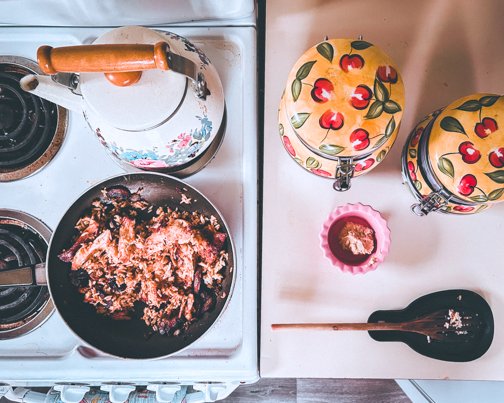
But chasing creativity so intensely also means confronting the realities of my own body and mind. I’m still healing from chronic fatigue and the lingering shadows of depression. Some mornings, getting out of bed feels like moving through wet cement. Even on the busiest days, I have to force myself to stop and eat lunch, to remember that my body needs fuel and care as much as my art does.
Creative self-care has become one of the hardest but most essential parts of my practice. The perfectionist in me wants every painting to be flawless, every blog post to flow effortlessly. But real life doesn’t work that way. There are days when I want nothing more than to stay in bed, when the words won’t come, when the canvas fights me at every turn.
One of my favorite ways to care for myself on creative days is by going on walks. I’m lucky to live in a quiet, safe neighborhood with a real sense of community. It’s leafy and green, with well-kept sidewalks that make walking not only easier but genuinely enjoyable—a welcome change from Asheville, where sidewalks could be hard to come by outside of the downtown area.
Here, the pace is slower. There’s room to breathe. When I head out for a walk, it feels almost like a personal ritual: I put on music, let my thoughts wander, and give myself permission to simply be. It’s incredibly therapeutic. Walking helps me clear my head, process ideas, and ease anxiety. It’s a moving meditation of sorts—a way to step away from the noise in my mind and reconnect with myself and my surroundings.
These walks have become an essential part of my creative practice. They remind me that caring for myself doesn’t always mean grand gestures. Sometimes it’s as simple as lacing up my shoes, heading out the door, and letting the world slow down for a while.
I’m learning to see those moments not as failures but as part of the creative rhythm. Rest, frustration, messy drafts—they’re as necessary as the breakthroughs. In a world that glorifies relentless hustle, I want to build a gentler kind of creative life. One that allows for imperfection. One that treats rest as sacred. One where you’re not a failure just because your routines aren’t flawless or your apartment isn’t always picture perfect.
Because at the end of the day, the work I share—the paintings, the words, the images—isn’t just about beauty. It’s about honesty. It’s about showing up exactly as I am, inviting you to do the same.
Why I’m Still Doing It: Sharing My Art with the World
Despite the overwhelm, the budgeting, the hustle, and the uncertainty—I want this show to happen. I feel genuinely honored to have this opportunity, and I want to make it the best it can be.
Of course, I hope to sell some pieces. I want art to be my livelihood, and I don’t see myself pursuing any other career path. But it’s about more than just making sales. I want to share what I’ve made because I’ve poured my entire heart into this work. Even with the financial stress, the sleepless nights, and the fear of falling short, there’s a quiet, undeniable satisfaction in creating something you believe in and letting it stand in the world.
I’m learning not to wait for perfection—it doesn’t exist. Instead, I’m working to release my art despite its perceived flaws. Because often, others see what I can’t. They find the story instead of the imperfect technique. They feel the emotion that outweighs any compositional misstep.
I dream of having my work in a museum one day—but that means I have to be brave enough to put it out there now, even when it doesn’t feel ready.
That’s why I’m doing this: to share my heart in the most honest way I know how. To invite others into my honest artist journey, imperfections and all.
And if you’re another artist wondering if it’s worth it to share your art with the world—I truly believe it is.
🌻 Stay awhile. Get The Bohemian Bungalow delivered to your inbox each month—a quiet, creative escape filled with art, personal style, seasonal recipes, music, and reflections on living beautifully.