Fragments of Becoming: The Stories Behind the Art
I didn’t just paint these pieces—I lived them. This is the cost of becoming. These are the stories behind the artworks in my debut New York show, offered in color and confession.
This is How I Remember: My Journey From Music Photography to Painting
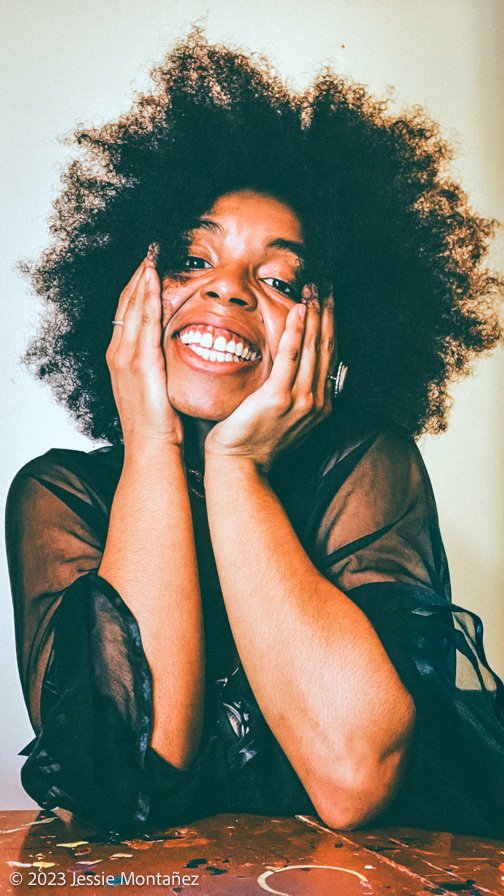
Some stories are stranger than fiction, so I told them in color.
My story of becoming is marked by heartbreak, betrayal, and a messy redemption as I reclaim myself after a toxic relationship. Betrayal wore the faces I trusted. As a music photographer, stage lights hid motives I couldn’t see. There were days I wasn’t sure I’d make it—and nights when a deep, unshakable blue claimed my soul.
In 2023, I found my way back to painting after walking away from music photography.
I rendered memories in pigment: blurred nights, unforgettable faces, the moments that both broke me and carved me into who I am.
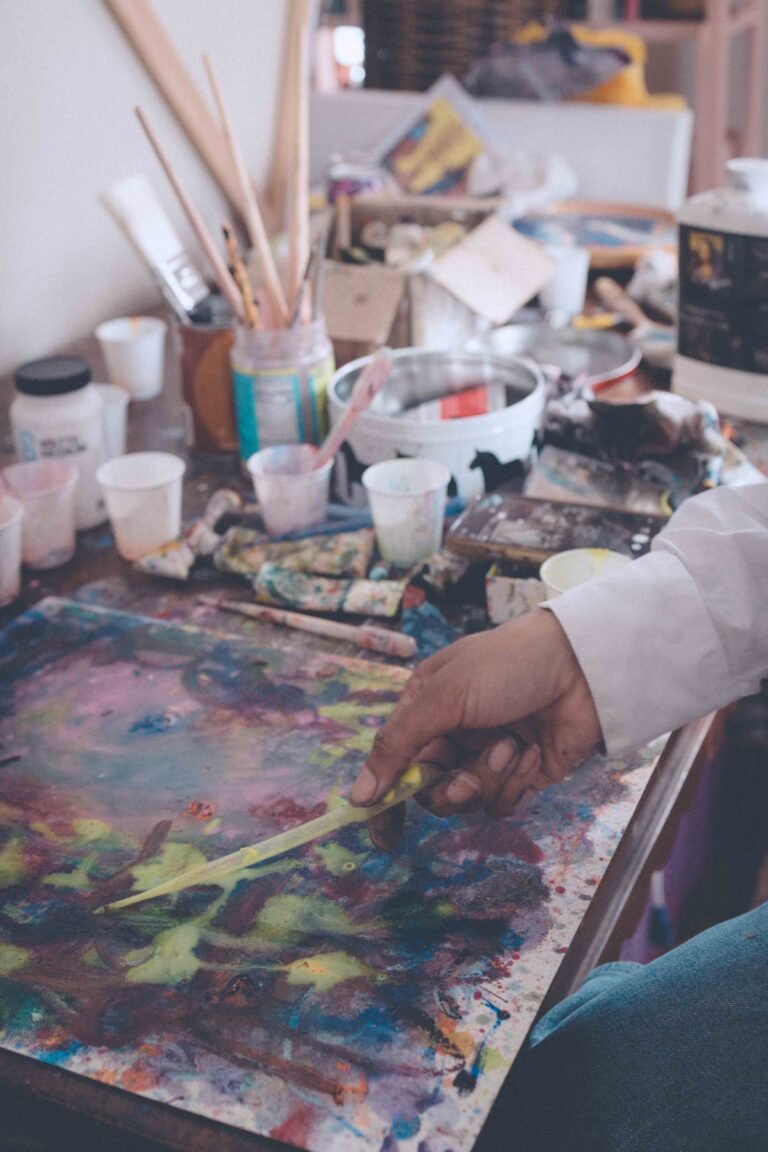
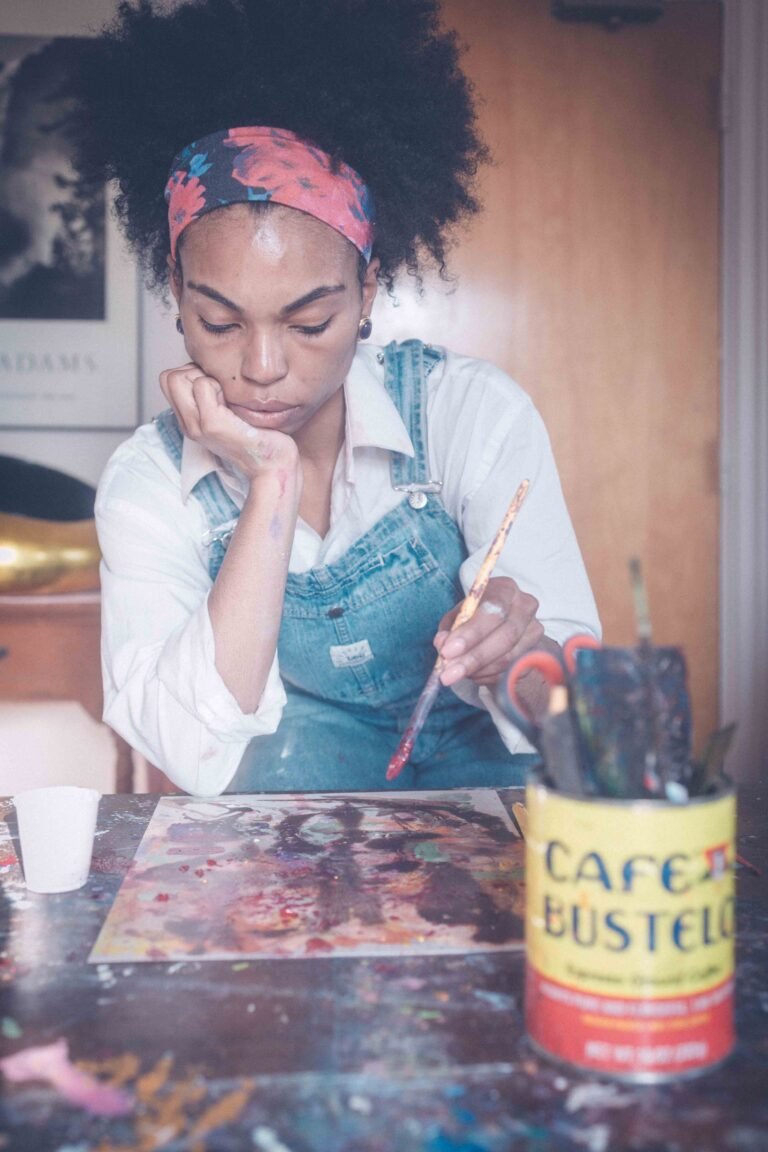
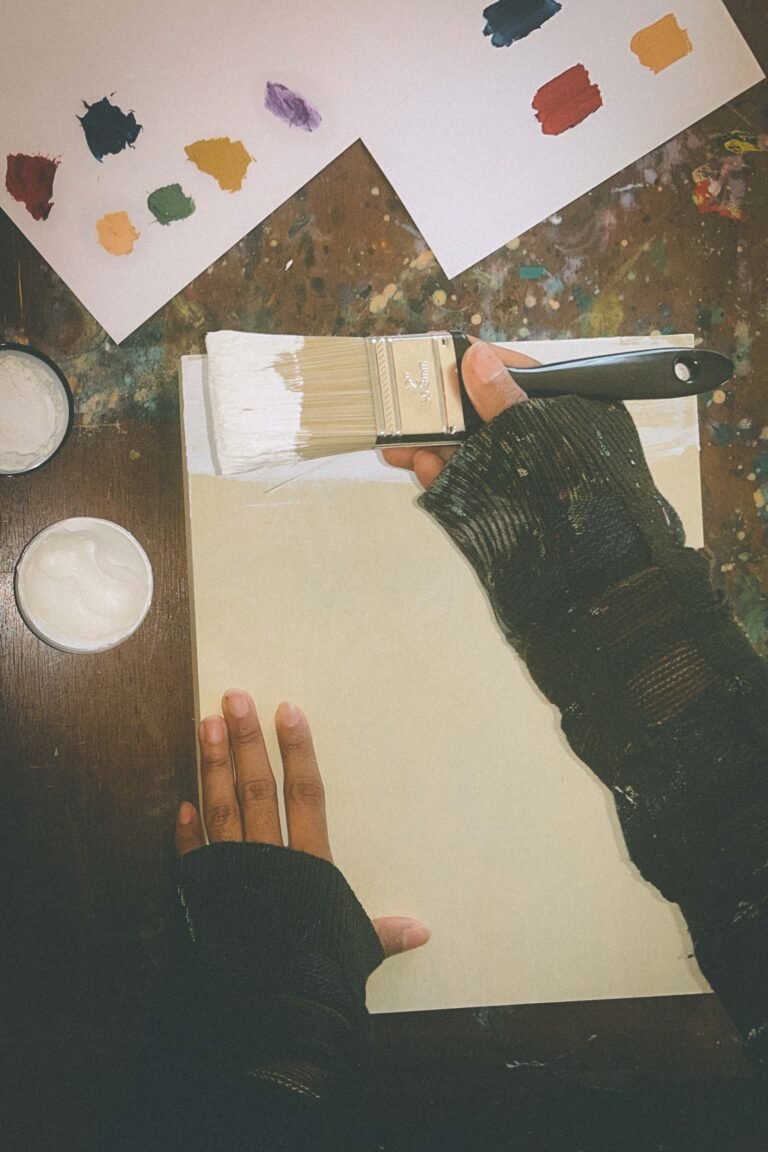
In the summer of 2024—the summer I call the summer of fear—I found art supplies at a local tag sale, set up a makeshift art studio in my aunt and uncle’s backyard, and painted the fear, the sadness, and my hope suspended between a dark influence that nearly derailed my life and the distant promise of true love.
One by one, the stories—told in plumes of color and charcoal lines—found their place on paper. My heart did too, the colors bleeding like a confession. The wounds that I had covered in glittery eyeshadow and Lancôme lipstick finally laid bare in paint.
Here is what they became.
The Weight of Choosing and The Summer of Fear
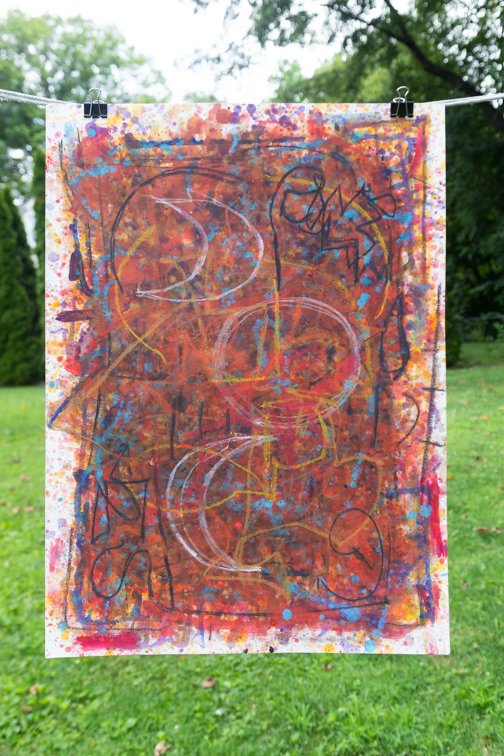
I moved back to New York in 2024, after seven years in Asheville. I thought I would get a fresh start, but the demons followed. And with the demons, came the memories, the rage, and an ache not even a Chanel perfume could fill.
I couldn’t outrun this darkness. Some battles don’t care about geography. My hope was wearing thin and the future I once thought was bright, now seemed like a mirage. The summer should have brought the perfect opportunity to let loose, to go to parties and have fun. There could be trips to the lake, afternoon strolls through Peekskill, and the occasional trip to the city, something I had been looking forward to since Asheville.
But that summer was filled with fear.
Sometimes I thought I could look into a crowd and see the face that would change my destiny, for better or for worse. I was on a cosmic tightrope, where every decision seemed to carry eternal weight and I was slowly losing myself in this madness.
The canvas caught it.
The chaos. The terror. The temptations that looked like a way out but weren’t.
The heavens that held my destiny, and the hell that tried to thwart it.
The markings are the trajectory of my life that felt uncertain at that time—like one decision could change everything.
I saw the fear flicker across the TV screen like a prophecy I wasn’t ready to interpret.
I felt it settle in my chest while laughter echoed through the room—I was present, but really elsewhere.
I tasted it in the silence between sentences, bitter and metallic.
I heard it in the bones of the house, in the way the walls seemed to breathe at night.
Fear had a frequency, and I was tuned in like a dead channel in an empty room.
I call this piece “The Weight of Choosing.”
It carries the tension of that summer—the way every decision felt cosmic, irreversible, sacred.
When the future blurred and fear crept in through ordinary moments, I became trapped in my own mind, cycling through questions with no safe answers.
This painting holds that quiet torment.
The beauty, the danger, the gravity of a single choice.
Eyes of the Abyss and The Glittering Lie
There was a season where I was everywhere—onstage, backstage, afterparties, alleyways—surrounded by sound, sweat, and faces that became memories burned into film and into me.
I chased light for a living, and for a moment, the spotlight turned toward me. The stage lights became my sun, and I basked in the glow of a small, rising fame—known for freezing music into moments in Asheville’s restless, electric scene.
That glow carried me through seedy bars with velvet curtains and bouncers who dragged bodies to the curb, through nights lit by liquor and the salt-rimmed smiles of bartenders. That glow was the shutter button of my camera, fixing time and finding beauty where no one else looked for it.
I was like Icarus, but my wings weren’t wax—they were stitched from ego, rebellion, and hunger. I flew high, far from the church girl I used to be, weightless in a world that finally felt mine—until the sun revealed what it really was, and I came crashing down.
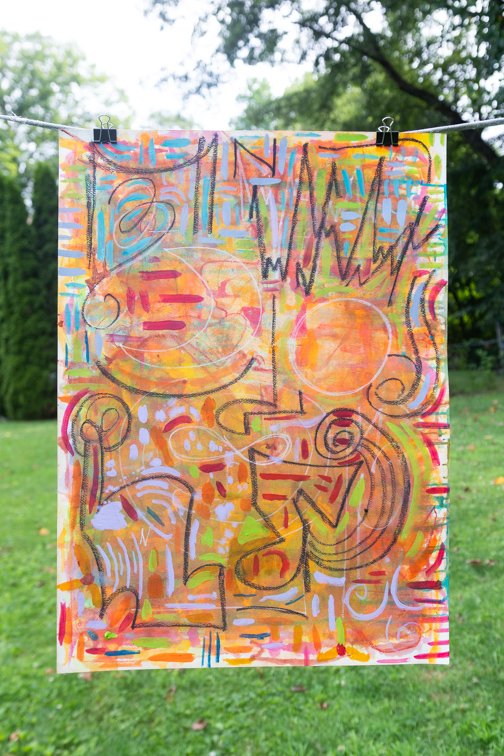
That’s what this painting holds: the moment the glamour split open, and the fall began.
The canvas caught what the camera never could—the come down, the fracture, the truth beneath the flash.
The fog, thick as the smoke machines onstage, crept into my lungs and into my mind.
The nights I went home empty and alone, blurred into each other, glossed over in eyeliner and applause.
I was staring into the abyss without knowing it—and something was staring back.
It started like a shooting star—brilliant, untouchable, gone too soon.
Not yet a scar, just a streak of light I thought would guide me somewhere golden.
But that light was a lie.
It promised joy, success, belonging.
Instead, it left me with a darkness I couldn’t name—and no amount of makeup could hide.
I had mistaken the stage for salvation—but it was only smoke and mirrors, and the devil knows how to play dress-up.
The praise that once held me became the sound of spotlights shutting off, one by one.
It was silk and spotlight—until the curtains fell and I was left standing in the dark.
It was the familiar haze of the music club I returned to night after night and the eyes that caught mine in the crowd with intentions as murky as the fog now curling around my ankles.
It was the ex-boyfriend who treated me like a stranger after promising forever, and the friends who turned their backs when my applause got louder.
It was the devil cashing in on the contract. No refunds.
It was Eden, not just lost—but burning behind me as I ran away in heels I bought on credit.
Fool’s Gold in Moonlight and The Fragility of Life
I found out I was beautiful for the first time in my life at 27 years old, during the summer of 2022. I was photographing my first concert—adrenaline buzzing through my fingers, the stage lights bouncing off the glare of the sun like a sign. I tapped the shutter like Morse code, waiting for the right moment to fix forever. The electricity every time I took a picture and the stage lights that flickered like shooting stars felt like a message from heaven—or so I thought.
Those lights became my North Star. They led me through the doors of seedy music clubs, first with my mentor and his wife, and then alone with my camera, the one thing that always made me feel safe.
My nights began to glitter, and the calendar that once held only my church’s young adults group on Thursdays and church on Sundays soon overflowed with music shows and parties. There were bodies glowing in neon on the dance floor, moving with abandon, and afterparties. There were conversations flowing faster than the beer from the tap as cigarette smoke curled into the balmy night air. There were graffitied mirrors in women’s bathrooms, where I’d catch my reflection and marvel—no longer a girl, but a woman blooming.
Before that, my life was gray. I lived in an apartment with walls like concrete—flat, lifeless, and cold, like a holding cell for someone still waiting to be chosen by life.
My weeks were a cycle of worship songs and whispered prayers, sung to a God who felt galaxies away. I feared hell more than I believed in heaven, and the shadows beside my bed knew my name better than the church elders did.
I went to young adults group on Thursday nights—older than most, out of place among the early marriages and polished testimonies. Their smiles stretched wide, like they’d been let in on a secret I was never told. I wondered if I’d missed it—my moment, my purpose, the open door.
Church became a ritual I wore like perfume: surface-level, sweet, and fading fast. I learned to mimic the other Christian girls’ glow, rehearse their words, cry on cue.
Inside, I was unraveling.
In the summer of 2022, the dog days held heat and hope. My Sunday mornings were replaced with Saturday nights, Jesus with funk, and the drab of my apartment with the thrill of city nightlife.
A little mascara and a lot of blush, and I could become someone
softer, louder, braver—
someone whose past didn’t follow her into the bar.
Someone beautiful.
Not church beautiful, not Proverbs 31 beautiful,
but the kind of beautiful that turned heads in low light and felt like freedom pulsing beneath my skin. I shed the shiny church girl image, the one that made me feel like a stranger in my own skin.
Those nights at bars and clubs were glittering. Intoxicating.
I was finally becoming—who I wanted, who I pretended to be, who I was meant to be.
But becoming had a cost.
Life shifted on a dime.
One moment, I was basking in the glow—
the next, I was staring into the abyss, realizing how fragile all of it really was.
One choice, one touch, one breath—
and the whole thing could collapse.
Beauty is a delicate thing.
And death doesn’t always come dressed in black—
sometimes it wears cologne and smiles like it knows you.
It’s the touch you wish you could take back.
The nights that vanished into the fog.
The friends who were really strangers in disguise.
The spotlight that makes every flaw impossible to ignore.
The makeup that can’t mask the sadness.
It’s the devil in a back room,
holding glittering lies in his palm like treasure.
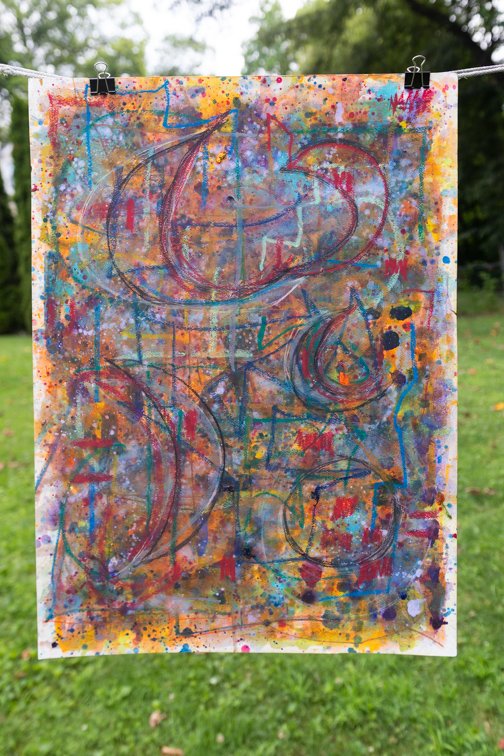
I call this piece Fool’s Gold in Moonlight.
It’s about how fast the glow can turn.
How a night can shift beneath your feet.
How love can be a trick mirror.
How beauty can walk hand-in-hand with destruction.
This painting holds that moment—
right before the curtain dropped,
right before the dream bled red,
when I still thought I was chasing the stars, but found an inescapable void instead.
Transmission and The Loneliest Night
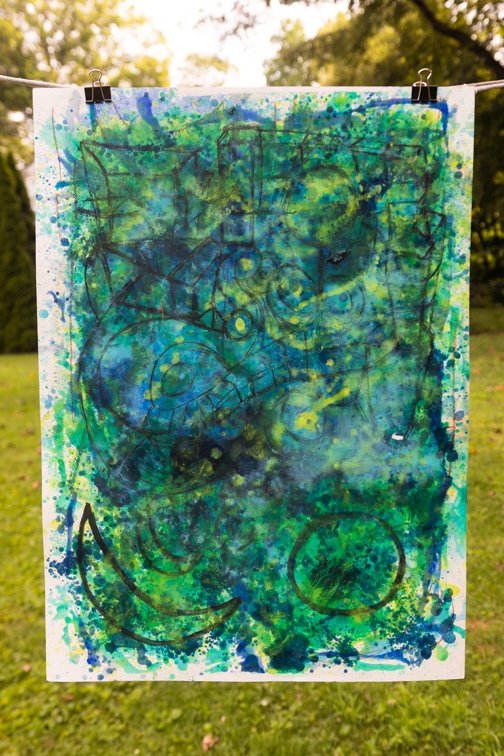
A fortune foiled.
The stars crossing.
Destinies swapped.
The glint of fool’s gold from across the room.
The mirror reflecting regret.
A fortune foiled—before it even began.
It had the shape of a stranger’s face—
familiar only in the way a storm cloud is familiar
when you’ve lived through a flood.
A false light, flickering like a radio tower in the distance,
blinking just enough to be mistaken for hope.
I was two weeks into my thirties.
A new decade, a new beginning—or so I thought.
But beginnings are slippery.
Sometimes, they’re not doors, but detours.
Sometimes, the thing that looks like comfort
is a mirage with teeth.
And sometimes, destruction wears pretty skin
and is charming enough to make you doubt your discernment.
That winter. Winter 2025. The air was heavy with silence.
The kind that presses against your chest
like an unspoken verdict.
I moved through the days with the sense
that something sacred was slipping through my fingers—
not quite lost, but fraying.
Glimpses came like omens—
on street corners, in passing cars,
in reflections that blinked and vanished.
It felt like being haunted by a presence
that hadn’t yet arrived
but already knew where I lived.
There were moments I felt watched—
not eyes-on-me,
but soul-on-trial.
One careless move, and everything could change—
like beauty tarnished in an instant,
no way to restore the shine.
The loneliness deepened,
the nights like a psych ward echoing with wails.
I felt like a frequency no one could tune into—
a signal trapped in static.
And that’s what this piece holds—
The transmission.
The warning.
The ache of knowing something dark is circling
and not being able to prove it.
The beauty of a future still intact—
and the terror of watching it flicker.
The Wilderness After Eden and The Long Way Home
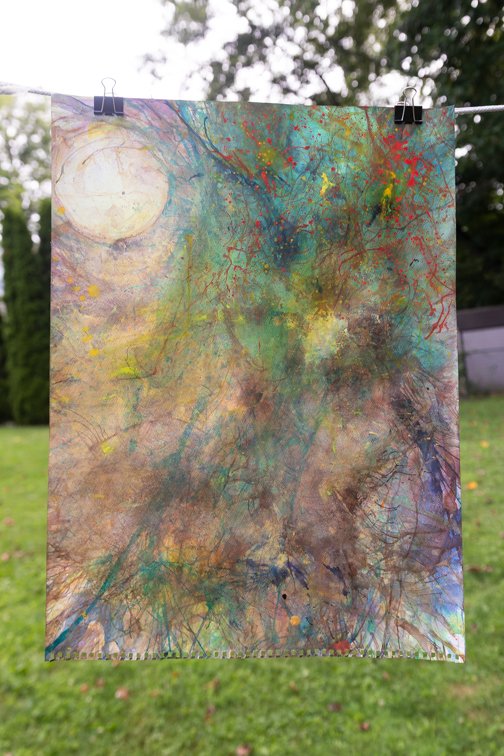
The wilderness doesn’t always look like hunger and ruin—
sometimes it looks like glitter and celebrity,
like getting everything you thought you wanted.
The loss of Eden:
A loss of innocence
A fall—not all at once, but slow.
A forgetting of what it felt like to be whole.
The wilderness after Eden is being made for love—and missing it.
It’s the ache of love unreturned, love unraveled,
love dying like strangers made from people who once knew everything.
It’s exhaustion dressed up as ambition.
It’s ghosting and being ghosted.
It’s swiping right, hoping someone sees past the mask.
It’s the light from a phone screen at midnight, promising touch—and giving none.
It’s chasing the next thing until we forget what we lost.
It’s the average paycheck that resembles the tinning of spare change in a metal cup while the rich fly private.
It’s record profits on Wall Street while children open empty fridges.
It’s schools that feel like war zones.
Bankruptcy after cancer.
Sickness that doesn’t leave.
Tears that don’t stop.
It’s a joy so fleeting, it flickers like good lighting in a fitting room.
It’s miracles on backorder.
It’s praying for peace and settling for numb.
It’s demonic possessions.
Only the demons look like handbags and mortgages.
Because deep down, we’re still searching for paradise.
We lost the garden—
and keep trying to build it out of pixels, strangers, and half-said prayers.
The wilderness after Eden?
It looks like Golden Arches and melting ice caps.
It’s the smog of fossil fuels.
It’s the temperatures rising.
It’s the ground in California, thirsty for rain.
It’s the human heart, longing to be known.
The First Bloom and Coming Of Age
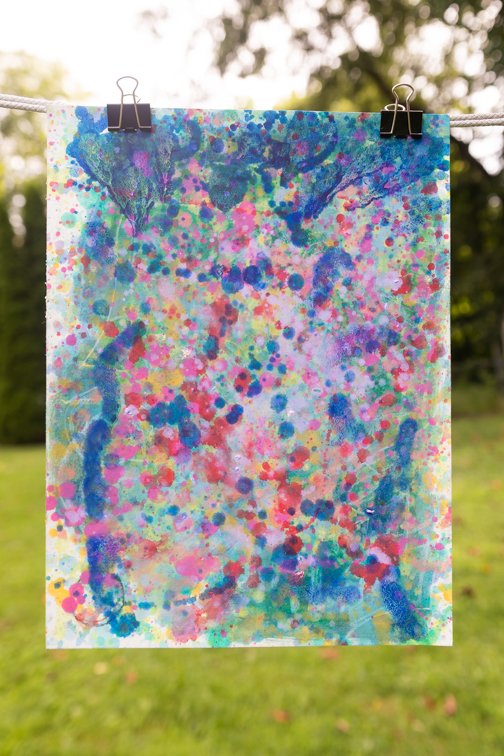
I bloomed late.
Not in springtime, but in that heavy heat of late summer,
when everything ripens at once, when sweetness can rot if you hold it too long.
Where the weight of decisions could etch destiny into stone.
The fight between heaven and hell for the pen to my story.
When sadness clung to me like sweat, joy arrived on borrowed breezes,
and the wounds of my past dripped onto paper
in a makeshift art studio in my aunt and uncle’s backyard.
I was 22 when I left for Asheville—
exhausted by the hustle of adult life, shadows my only companion.
Hungry for reinvention, for green hills and new faces.
For a home with a white picket fence.
For youth recaptured before responsibilities crushed me.
For the fantasy of being someone worth loving.
I came back home to New York at 29.
The same hometown, a different woman.
Time changed both me and the shopping center from my youth, each of us rebuilt, a little better than before.
My edges softened by distance,
tenderness I hadn’t known before.
Tears closer to the surface than I’d admit.
My brother said I’d changed—
his voice catching like he could see it,
even if I couldn’t name it.
Coming of age is discovering the ground that drinks rain.
It’s the dew of late summer.
The heat rising from the highway as I waited at the bus stop in late August,
suffocating, relentless—
like hell itself just before heaven opened.
The first bloom teaches that loving the wrong person carries its own ruin,
sweet at first, but lined with hidden costs and quiet betrayals.
It’s realizing love should be more than dinners and first dates,
that it doesn’t arrive with grand gestures,
but is built in quiet consistency.
It’s understanding nothing is permanent.
That even what shines can turn hollow.
That desire can warm you one moment,
and leave you ashes the next.
That every choice leaves its trace, carving paths you can’t always retrace.
Coming of age is the first time you realize how life feels short even when it stretches before you—
a reminder that beauty is fragile,
that everything alive carries the promise of an ending.
It’s watching your parents age.
It’s Christmas again when the year had just begun.
It’s chance encounters that can change everything, for better or worse.
It’s looking in the mirror and seeing an adult,
but feeling like a child inside.
This painting is the first bloom:
messy, lush, too colorful to last forever.
Proof that I was here.
That I dared to open. To taste youth while it was sweet.
To sit with life’s fragility,
as days blur and slip through fingers like ink running before it dries.
Troubling A Star and The Vanishing Girl
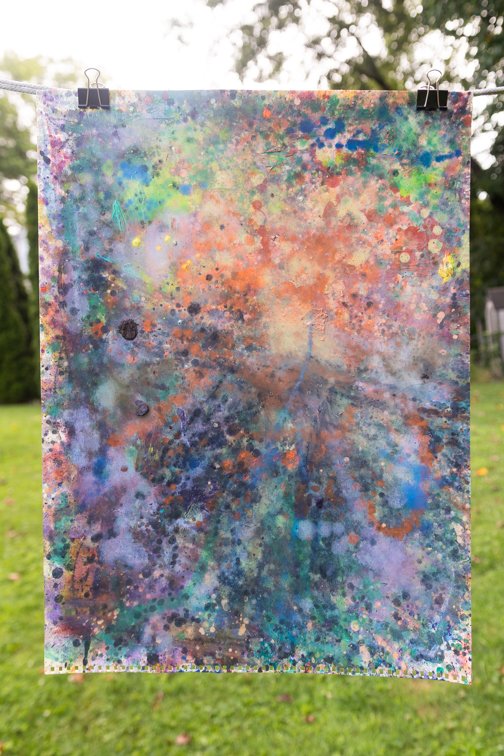
Spells don’t always need candles or chants.
Sometimes it’s just a face—
the kind that men get lost in.
Desire that burns without commitment
Sometimes it’s the words you whisper at your reflection,
lies settling like dust on a windowsill,
beliefs orbiting like distant moons
until their gravity quietly reshapes your fate.
The spell began with fake love,
offered like a feast to someone
who’d forgotten the taste of hunger.
Words that cut me open,
that warped the mirror until I couldn’t recognize myself.
A love of grand gestures and endless apologies,
but no change.
Crumbs masquerading as the whole cake.
Love that wandered off, dazzled by anything that sparkled brighter.
Love that wore two faces.
Love that hardened into hate the moment my glow threatened to outshine his.
The spell takes hold. It changes your reflection.
The mirror begins to lie.
You’re trapped in your own skin. Your cries go unanswered.
You walk the streets like a pariah.
Love goes cold. Loneliness sharpens.
You don’t leave home, choosing the madness you know.
You carry shame like an heirloom,
a quiet ache whispering that you’re a burden,
selfish for needing anything at all.
The spell takes root. It becomes your gospel, your truth.
Your light dims like a flickering bulb in an abandoned house.
The glow you wore so easily sinks beneath a depression
that wraps you in desert night—vast, merciless.
Your beauty erodes until you resemble the monsters whispering in your head.
Heels traded for dirty jeans.
Your face unwashed for days.
The voices grow sharper, crueler.
You start to agree with their hatred.
Their lies carve themselves into your bones.
You starve your body to starve the doubt,
finding freedom in a vanishing waistline.
Your eyes sharpen with envy.
Until you become the very thing you swore you’d never be.
The hunger hollows you out
until even your shadow feels too loud.
Your heart grows numb to love.
You spend your days alone in your room.
The spell is fool’s gold’s spark—
love that promises everything, but curses you in the end.
leaving devastation in its wake.
It slips your discernment,
so lust looks like love,
a dangerous mix of loneliness and a beautiful face.
A single choice that ruins everything.
The devil in pretty skin,
lies spritzed with cologne,
charm that works like magic.
Sorrow waiting for you on an ordinary Tuesday afternoon.
The love you’ve never felt,
and the temptation to settle.
You feel the weight of decision with every step.
The stars are aligning, the planets threatening to cross.
You feel destiny settle heavy in your chest.
You see angels and demons battling in the night sky,
a silent war above your head.
An unseen hand nudges everything into place.
Serpents hiss their lies in the dark.
Every time you see his face, it feels like war.
You close your eyes and feel the stars tremble,
as if the whole cosmos might crack from one fateful choice.
The Other Side of Radiance and The Ache of Never Enough
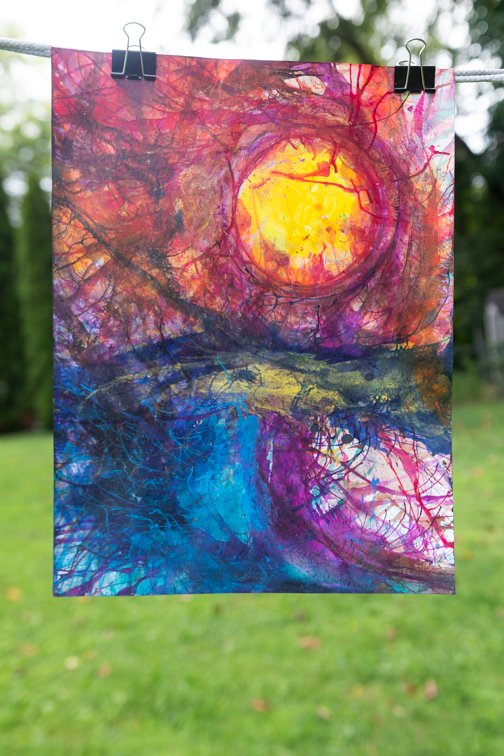
I always envied women who seemed to have the world on speed dial.
Lives that gleamed like glass towers and red carpets.
The irresistible type.
The ones men would burn kingdoms for.
Faces that stop time.
Steps that seem to glide without effort.
Voices that hush rooms
Beauty that is currency.
They are not too much.
Always enough.
One moment, I’m everything.
The next, I’m nothing.
I hold both truths in my mouth like prayer.
Don’t let the smile fool you.
I cannot shake the ache of never being enough.
A heart of gold, but no one to hold.
Beauty that sparks desire,
but not commitment.
The one men take for granted.
Never chosen first.
An option when first place falls vacant.
Easy to love,
easiest to leave
when something shinier comes along.
Perfect—
until loving me becomes inconvenient.
I am too much.
Never enough.
I wear my makeup like armor.
Swallow my sadness whole.
Worship the number on the scale,
my worth reduced to a silent verdict.
Hide pain behind silk,
tears behind glitter.
Find confidence in heels.
Yet the mirror repeats the lies I’ve been told.
I feel claustrophobic in my own skin.
Exhausting to inhabit.
Lies spinning in my head
like planets thrown out of orbit.
Truth lost, replaced by perfume counters and designer bags.
When I’m sad, I wilt like flowers plucked from the earth,
no home, no rain.
I drown in my sadness.
I rise with a smile,
rehearsed like an Oscars speech.
Behind the size 2 dress and pearls is the other side of radiance:
an emptied well, earth thirsty for rain,
rain that drowns but never nourishes,
heat that cracks the porcelain smile.
Depression like unopened letters in an abandoned mailbox.
The piles of dishes crowned in kingdoms of mold, mocking my inertia.
My eyes that flinch from my own reflection,
beauty that flickers like a filter.
But the other side of radiance runs deeper than the facade:
On the other side of radiance is regret.
It clicks behind me in four-inch stilettos.
The ache of never enough fought off in the gym.
Each rep a negotiation.
My sweat, a baptism.
Muscles as salvation.
Dark thoughts waiting at the bedside.
Shadows I once called friends.
A dream I can’t wake from.
The void I get lost in.
Sadness wearing a face that doesn’t match.
Beauty mistaken for happiness.
Beauty admired.
Never loved.
Heaven’s Forecast and The Bad Moon Rising
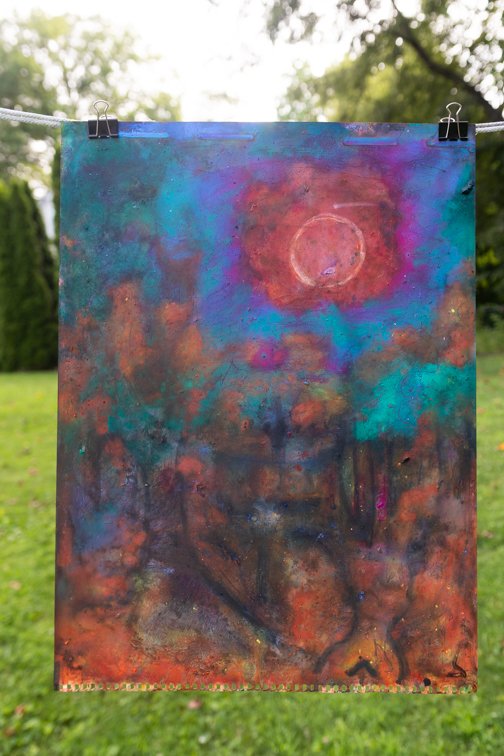
Heaven foretells a Bad Moon Rising.
Where pretty lies pass for truth.
Where sparks deceive, setting your life ablaze like hell.
Love wrapped in red flags that look like roses.
The devil disguised as an angel—patient, charming, fluent in all my favorite sins.
Discernment clouded, temptation mistaken for destiny.
Calling possessiveness devotion.
A generational pattern of love twisted into poison,
roots spreading disease through the family tree.
Babies born out of wedlock. Fists against faces. Broken bones and empty apologies.
There are two paths the bad moon illuminates:
a generational blessing or a cursed bloodline—
both heavy enough to crush me.
But both roads can glitter the same at first,
and the curse doesn’t always arrive as ruin.
It arrives looking like gold.
Fool’s gold can wear the shine of promise,
the face you get lost in,
the electricity you feel from temporary grace.
Fool’s gold becomes the touch that changes everything.
It’s betrayal encoded in your DNA,
your body repurposed into a prison.
It breaks your heart and leaves you marooned.
It’s magic woven with lies.
Love that exacts a toll.
Fickle affection, pulling you in for its own gain.
Heaven warns of ruin,
ruin that comes dressed in black and cologne.
The fight before deliverance,
hell waiting with an open mouth,
taking by force what it can’t steal with lies.
It’s the hush before catastrophe,
the innocence carried on a summer breeze.
Life shifting in an instant,
a switch you can’t unflip.
Blessings and curses laid bare.
Love that feels carved from eternity,
and its counterfeit that vanishes like August rain—
both resting in my open hands.
I stand at the edge of inheritance and warning,
a lineage that remembers every choice.
The blood in my veins humming with possibility,
threatening promise or devastation.
The bad moon lights both roads,
asking me which story I will choose.
Will I hold out for the covenant etched in heaven,
or settle for a bargain struck in the dark?
Because even miracles come at a price.
And even curses need consent.
And I know now—
some destinies you choose.
The Night Before the Promise And The Battle of Faith
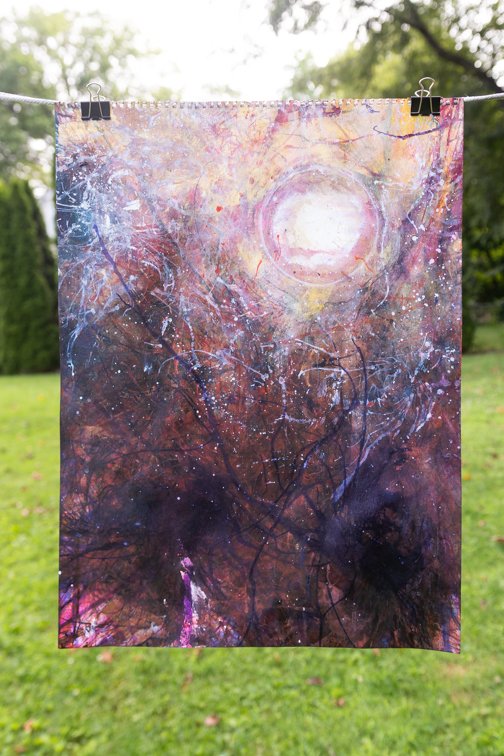
The air is thick with possibility, heavy with the threat of calamity.
Two destinies unfurl like rival scripts.
Heaven and hell wrestle for my soul.
It is the final hour before the promise—
when heaven feels as distant as an uncharted ocean,
and hell’s voice is the loudest in the room, demanding surrender.
I feel hell opening its mouth, ravenous,
unwilling to settle for anything less than my ruin.
I drive through the rolling hills of my hometown,
past white picket fences and manicured lawns that promise safety.
New parents push strollers.
Joggers pace along tree-lined streets.
Children wait at bus stops, backpacks too big for their shoulders,
their innocence dangling like a shield.
I slip unseen through the town’s shopping center,
moving like a ghost through fluorescent aisles,
the threat of my fortune unraveling stalking every step.
Hope beats in my chest like a secret.
Temptation clings to my skin, hot as the hell I’ve already survived.
At night, the moon hangs above it all, cold and unblinking.
Foretelling curses.
Following me everywhere I go,
a constant reminder of the thin line between salvation and ruin,
of how quickly everything can change with a single choice.
Heaven, somewhere beyond sight, somehow both close and out of reach,
still whispers of blessings.
Hell below accuses me,
howling like starving wolves at heaven’s gate,
begging for permission to devour.
I cling to the promise like a lone survivor grasping splintered wreckage.
It feels foreign in my grip,
the way joy feels to someone who’s never tasted it.
Trauma is familiar; chaos feels like home.
The promise is a rope thrown from heaven,
a thin line of grace across black water.
It’s the first light after a sleepless night,
the hush that follows thunder.
It’s the body remembering how to dance after years of marching to war drums.
The sound of something holy approaching—like trumpets, like procession.
As the promise approaches, the monsters in my head circle me like starving animals,
hungry for my soul.
Their lies grow inventive,
hissing like snakes in tall grass.
Fear makes me tremble, but exhaustion leaves me limp.
Visions flicker behind my eyelids—
the promise and the temptation.
Two destinies play like rival films in my mind.
The weight of decision presses into my chest like a hand that won’t let go.
My heart is in pieces,
what’s left caught in a tug-of-war between heaven and hell.
When I try to sleep, painful memories drip like a leaky faucet at night.
Invisible wounds—still raw, not yet scars—fester beneath the surface,
threatening to split open again.
I reach for what’s left of my faith,
shipwrecked on bad decisions and cruel twists of fate.
I hold onto the flicker of the promise that lights the darkness in my soul.
It’s warmth in the dead of winter.
I roll over, the other side of the bed cold.
The promise is the only heat left to me.
Silence presses in.
Hell holds its breath, ready to claim me.
The moon hangs, watchful and cruel.
But I hold on anyway.
Because even now, hope refuses to die.
And morning is always closer than it feels.
The Waiting Season and The Fight For Destiny
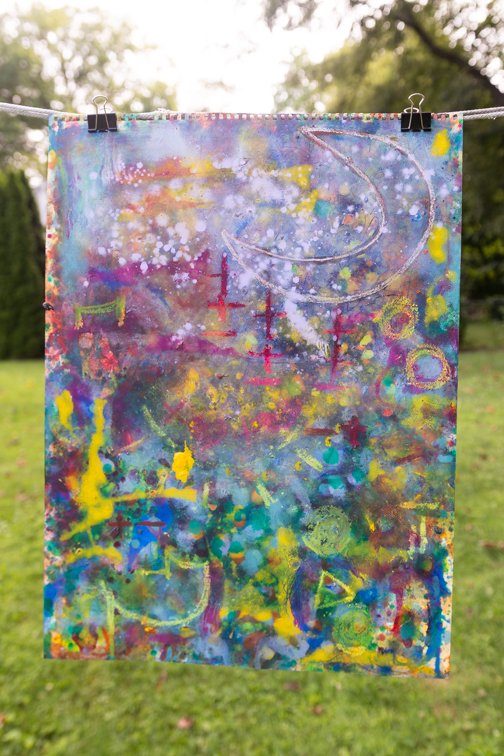
The moon was heavy and the air too still—like the night was holding its breath.
Downtown Asheville buzzed. Fall was in full swing, September ending, winter on its way.
It was a Friday night and like most that year, I was going out to the music club, the one with sticky hardwood floors, faces that flickered in neon light, and debauchery on the dance floor.
I wasn’t there to take pictures. I was there for fun—
dressed in vintage jeans and white boots, looking for love in all the wrong places.
The music blared. The lights were low.
Hips moved as wildly as the shakers in the bartender’s hands.
Drinks made you forget. The guitar was as intoxicating as the cider in my hand.
The lyrics were hypnotizing—and if you weren’t careful, they made you wild.
I remember this night vividly: September 29, 2023.
The full moon was out, and demons trawled the streets of downtown, looking for trouble.
My night ended early—uneventful, even. I left after the first hour. I left alone.
But something followed me.
Not in the physical sense—but in the air, in the quiet.
The night didn’t end when I walked out the door. It shifted.
That was the last night I moved freely.
The last night I felt untouched by what had been circling.
What came next didn’t look like an attack.
It looked like exhaustion. Like doubt. Like nothing.
But underneath it was a war—one that led me into a wilderness I didn’t choose.
This was the beginning of the waiting season.
The moment the lights dimmed—not on the stage,
but on everything I thought I knew about myself, my calling, and the cost of being chosen.
There was blood.
Blood on my hands after bad decisions.
Blood dripping onto paper in the form of paint, seeping out of emotional wounds—invisible, but nearly fatal.
Blood, the ink from a broken pen, writing a story I never meant to tell.
Blood in his eyes—the same devil, just wearing a different face.
A blood moon, sealing curses and stolen destinies with a kiss.
The days unraveled like nerve endings—bare, burning, and impossible to hide.
Tragedy walked beside me. My soul was broken open and blue flooded in.
My life felt like laughter in the next room—close, but never mine.
Life dulled to greyscale, like a song stripped of melody—just rhythm and ache.
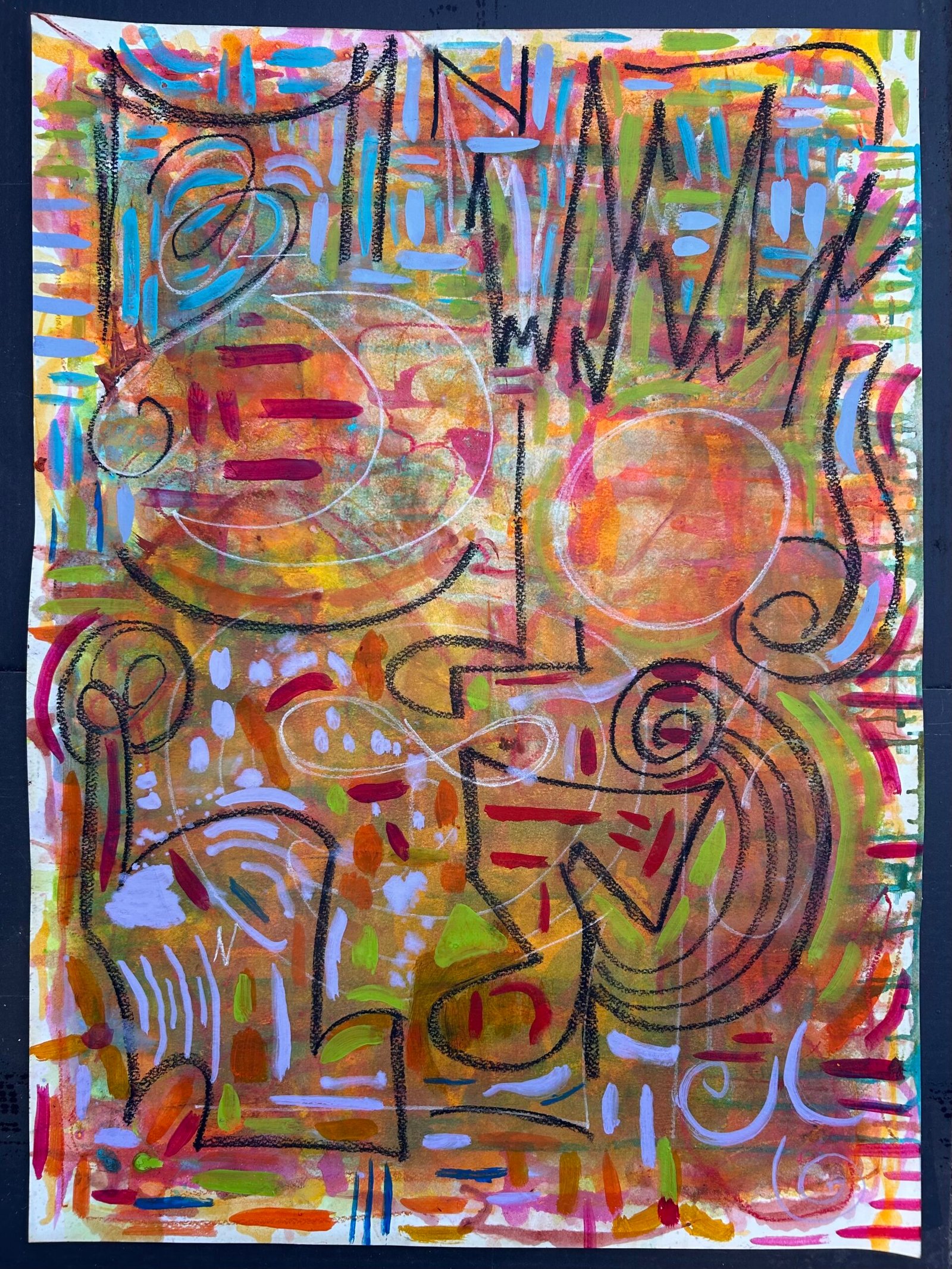
This painting was born in the aftermath.
It is the breath held just before the sky cracks.
The weight in the air before mercy rains down.
When words failed, color carried the story.
Every mark is part confession, part survival.
The red symbols. The gold dust.
The moon—half-witness, half-warning.
The moon, now carrying a meaning it never had before—no longer just a phase in the sky, but a sign I survived what tried to end me.
This piece bled itself in blues and greens—the colors of grief.
The blue that buried itself in me.
The ache, the glass left behind from my broken reflection.
It holds the memory of that night, the war in the heavenlies, and the glimmer of what still waited on the other side.
It tells of the temptation, the testing, the quiet resistance.
The slow, brutal beauty of rising from the ashes.
This is not a portrait of suffering.
It is a record of endurance.
A glimpse into what it means to be chosen—and hunted for it.
A map from the night things tried to take me to the moment I chose to stay.
Stream of Consciousness and the Season of Escape
I look back at her now—28, chasing light through a viewfinder,
camera in one hand, drink in the other.
She called it art. Called it freedom.
Closed her eyes to the wreckage.
Smelled of tart cider and Proud Mary.
Chanel layered over nerves.
Nights that started with laughter and ended in blackout.
Lines blurred—onstage, backstage, nose to table.
Didn’t want to know where she ended and the night began.
She wore exhaustion like eyeliner.
Collected wristbands like trophies.
Lost herself in noise so she wouldn’t have to listen.
Asheville held too many shadows she tried to outrun.
Called it networking. Called it hustle.
Really it was running.
From grief, from memory, from the girl she’d outgrown
but couldn’t bury.
From demons that followed and nearly destroyed her.
She fell in love with the idea of being wanted.
Found love in all the wrong places—
in men who treated her like a trophy, in cider, in bags bought on credit.
Let hands wander because it was easier than being alone.
Let the music swallow her so she wouldn’t have to speak.
Apologized for needing sleep, for wanting safety.
Called it ambition, but really it was escape.
I want to tell her now:
you don’t have to be the afterparty.
You don’t have to burn to make light.
You can be quiet and still matter.
You can go home early.
You can want more.
This is for her.
For the empty bottles and full notebooks.
For the shame that wouldn’t rinse clean with makeup at the end of the night.
For the girl who learned that even ruin can be rebuilt.
For the one who crawled out of the dark long enough
to see she was meant for something better.
La Morena and The House on Longfellow Avenue
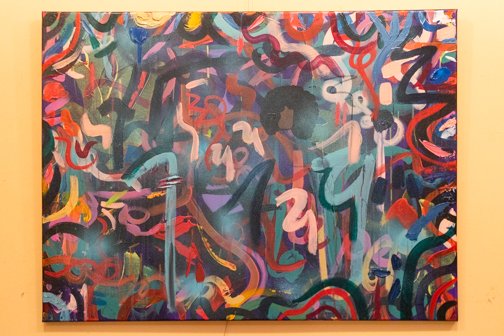
I see it now through memory’s filter:
Apartment 1 on Longfellow Avenue,
the screech of dial-up whenever Grandma used the phone,
a rare tree-lined street in the South Bronx,
the neighborhood’s quiet apology for all that concrete.
Our entire family stacked in the same building,
voices carrying, doors left open like invitations.
A marble staircase I’d pretend led to ballrooms and chandeliers,
not cracked linoleum and neighbors arguing behind thin walls.
A basement with boarders.
It was crowded. Chaotic. Alive.
I’d sit in the white metal gate of the window, watching the world outside.
Men slamming dominoes onto folding tables.
The Mr. Softee truck rolling by, children chasing it with loose change and wide eyes.
Older kids pedaling their bikes to the corner store, weaving through the block like it was nothing.
I watched my brother and cousins play tag in circles in front of the building,
a game I wasn’t allowed to join.
Because I was a girl. Because it wasn’t safe.
Rules made to keep me whole.
Rules made from another time.
Weekends were Southern Boulevard,
plastic bags cutting into my palms,
the smell of street food, the hum of languages that never quite felt like home.
My grandmother’s hand around mine, warm and worn.
Our skin tones didn’t match.
She spoke English like it hurt,
but love was fluent in her kitchen.
Rice and beans that filled the whole apartment.
Food was the language she trusted most.
She held old wisdom—things she whispered over candles
that I didn’t understand, that no one explained.
I didn’t know then what I was inheriting,
what tried to grow in our blood like weeds.
She died when I was eight.
Her funeral smelled like church candles and sorrow.
I remember her reading to me in broken English,
her voice a lullaby even when I didn’t know the words.
I know now love and curses can come from the same tree.
I know not everything handed down is worth keeping.
I carry her story in me, but I choose where it ends.
This painting is for my childhood.
For Apartment 1.
For the girl at the window, dreaming of the street and the stars.
For the blood that tried to bind me to something dark.
For the promise that the curse stops here.
🌻 Stay awhile. Get The Bohemian Bungalow delivered to your inbox each month—a quiet, creative escape filled with art, personal style, seasonal recipes, music, and reflections on living beautifully.